
Blooming
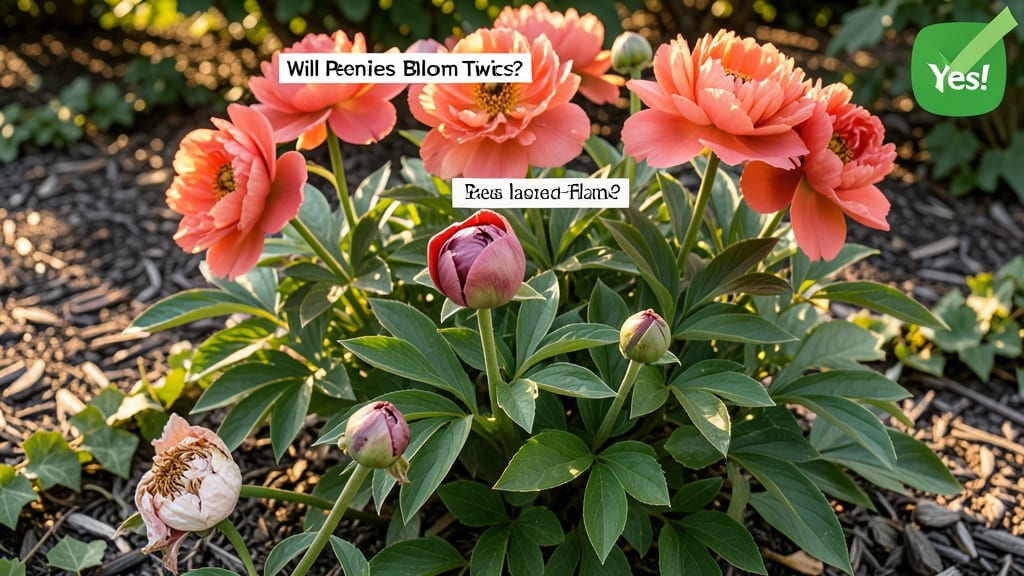
Will peonies bloom twice? Most peonies bloom once per year, but some reblooming varieties produce a second, smaller flower cluster later in summer if given proper care and pruning. Their first bloom is always the most robust, while the second is influenced by sunlight, soil, and cultivar type.
Peonies have a fascinating bloom cycle that depends on their specific type and growing conditions. 🌸 The first flush of flowers in spring is always their most dramatic display, as the plant focuses its energy on producing large, vibrant blooms.
Reblooming varieties, however, have the genetic potential to produce a second round of smaller flowers later in the season—usually between July and September—thanks to careful cultivation practices like deadheading spent blooms and maintaining consistent moisture levels.
What makes this possible is how peonies store energy in their roots during the growing season. With the right balance of nutrients—particularly phosphorus and potassium—and adequate sunlight, these plants can redirect some of that stored energy toward a second bloom.
However, this second display will never match the grandeur of the first, as the plant's energy reserves are now divided between maintaining foliage and producing flowers.
💡 In This Article
- Why Most Peonies Bloom Only Once
- How to Encourage Peony Reblooming
Why most peonies bloom only once
Peonies follow a strict energy budget where their first bloom in spring consumes the majority of their stored reserves. This is because the plant prioritizes reproduction during its most favorable growing conditions—cool spring temperatures and long daylight hours.
Herbaceous peonies, which die back to the ground each winter, allocate nearly 80-90% of their energy to producing those stunning first flowers, leaving little for subsequent blooms. 🌿 The root system, which stores carbohydrates like starch and sugars, becomes depleted after this initial effort, making a second bloom biologically challenging.
Tree peonies, with their woody stems, have slightly more flexibility due to their perennial structure, but even they typically produce just one main flush of blooms.
The key difference lies in their growth habit: while herbaceous types focus all energy on one spectacular display, tree peonies spread their resources across multiple stems but still prioritize the first bloom.
Scientifically, this is tied to the plant's photoperiodism—the response to daylight changes—which triggers flower bud formation in early spring when days are lengthening.
The genetic distinction between single-blooming and reblooming varieties comes down to a specific trait called "rebloom potential." Single-blooming types, like the classic 'Sarah Bernhardt', have a dominant gene that suppresses any secondary flowering.
In contrast, reblooming cultivars like 'Bowl of Beauty' or 'Coral Charm' possess a recessive gene allowing for a second, though smaller, display. This genetic difference explains why even well-cared-for single-bloomers rarely produce a second flush.
Environmental factors like temperature also play a crucial role. Peonies need a period of winter chilling (30-50°F for 4-6 weeks) to properly initiate flower buds. Without this, even reblooming varieties may fail to produce their second flush.
The first bloom benefits from this stored energy, while the second must compete with ongoing foliage growth and potential stress from summer heat or drought.
What's fascinating is how peonies manage this energy trade-off. During the first bloom, the plant diverts up to 60% of its photosynthetic output toward flower production, leaving minimal resources for other functions.
This is why you'll often see reblooming varieties produce flowers that are 30-50% smaller than their first display—they're essentially making do with what's left after maintaining the plant's basic metabolic needs.
The root system's role can't be overstated. Peony roots contain specialized cells that store carbohydrates, which are converted to sugars during bloom time. After the first flush, these reserves are significantly depleted, requiring careful replenishment through proper fertilization and watering to support even a modest second bloom. 🌱