
Flowers
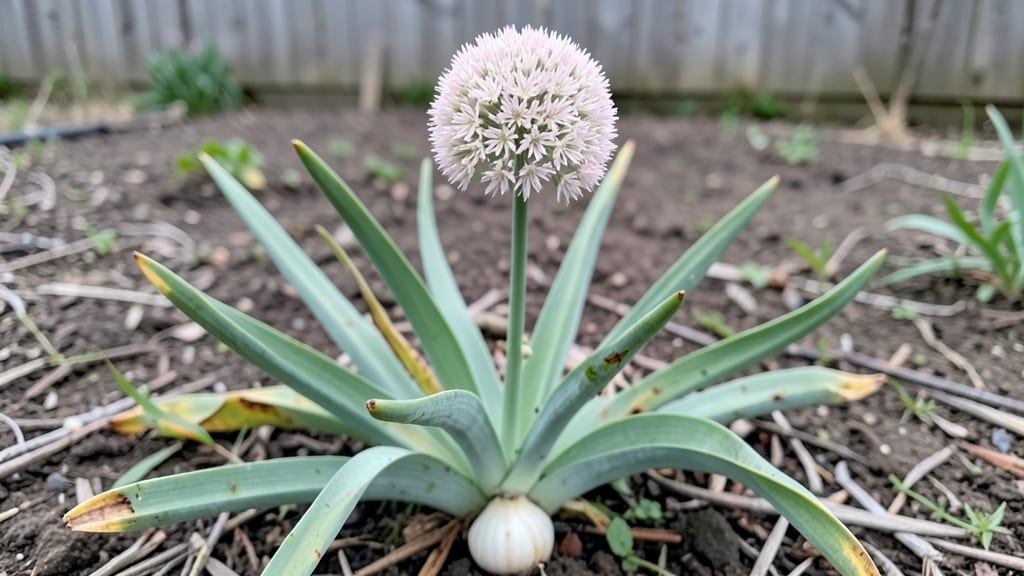
Growing white allium bulbs 🌸 can transform your garden into a striking vertical masterpiece, but their stunning height starts with one simple rule: planting them deep enough to unlock their full potential.
If you’ve ever dreamed of dramatic, globe-shaped blooms that turn your garden into a fairy-tale landscape, white allium bulbs are your secret weapon—but planting them at the wrong depth can stifle their towering potential.
Most gardeners assume these bulbs need shallow planting, but the truth is, their roots thrive when buried twice as deep as the bulb itself. This isn’t just about aesthetics; it’s the key to sturdy stems that support blooms reaching up to 3 feet tall.
In this guide, I’ll walk you through the exact planting depth for your zone, soil prep tricks to prevent flopping stems, and how to pair them with companions that boost their height—so you can finally grow alliums that steal the show.
Optimal planting depth for white allium bulbs to maximize bloom height
White allium bulbs are nature's architectural marvels, capable of reaching 2-3 feet tall with their globular white blooms. However, their towering potential hinges on one critical factor: planting depth. Too shallow, and they flop like overgrown weeds.
Too deep, and they struggle to break through the soil. The science behind root development and stem strength reveals why 10-12 inches is the magic number for large varieties.
Think of the bulb as a subterranean rocket. Its roots need space to anchor while the stem must push upward with enough force to support those heavy flower heads.
The soil composition plays a starring role here—clay soils require deeper planting to prevent waterlogging, while sandy soils may need slight adjustments to retain moisture for root growth. Let’s break down the exact depth requirements and how to adapt them to your garden’s unique conditions.
The 10-12 inch rule isn’t arbitrary—it’s rooted in how allium bulbs store energy. Their basal plate (the flat bottom) needs to sit at this depth to ensure proper root initiation. If planted too shallow, the bulb may rot or produce weak stems that flop under the weight of blooms.
Conversely, planting too deep delays emergence, wasting precious growing time before last frost dates.
For clay-heavy soils, consider amending the planting hole with coarse sand or perlite to improve drainage. This prevents waterlogging, which can suffocate roots and lead to rot diseases.
In sandy soils, mix in compost or peat moss to help retain moisture during the critical early growth stages. These adjustments ensure your bulbs get the optimal balance of air and water for root development.
Visual learners, take note: imagine a three-layer cake. The bottom layer (6-8 inches) is where roots spread horizontally. The middle layer (2-4 inches) supports the bulb itself. The top layer (2-4 inches) is the "launchpad" for the stem to push through.
Disturbing this balance—like planting too deep—can leave your alliums stunted and sad instead of towering and dramatic.
Pro tip: Use a bulb planter or even a long screwdriver to mark the correct depth before planting. Press the bulb into the hole until the basal plate sits at your target depth.
Gently backfill with soil, leaving a 1-inch gap at the surface to prevent soil from settling too tightly around the bulb. This small adjustment can make a huge difference in bloom height.
Don’t forget about spacing, which works hand-in-hand with depth. Plant bulbs 8-12 inches apart to give roots room to expand. Crowding leads to competition for nutrients, resulting in shorter stems and smaller blooms.
Think of it like giving each bulb its own personal space to grow into its full, fairy-tale potential.
One final secret: Fertilize lightly after planting with a low-nitrogen, high-phosphorus fertilizer (like 5-10-10) to encourage strong root growth before the stems emerge. This isn’t about feeding the leaves—it’s about giving your bulbs the energy reserves they need to launch those spectacular blooms skyward.
With the right planting depth and a little soil TLC, your white alliums will reward you with stunning vertical accents that steal the show in borders, containers, and cutting gardens alike. Now go forth and plant with confidence—your garden’s fairy-tale moment is just a trowel’s depth away! 🌸
5 Common planting mistakes that kill white allium growth (and how to fix them)
White allium bulbs are stunning additions to any garden, but even the hardiest varieties can struggle if planted incorrectly. I’ve seen gardeners with beautiful spaces accidentally stifle their white allium blooms by making simple planting mistakes. The good news? Most of these issues are easily fixable with the right knowledge.
Over-deep planting is the most common culprit. When bulbs sit too low in the soil, they suffocate and rot before they even sprout. Incorrect spacing can also lead to competition for nutrients, while poor drainage turns your garden bed into a swampy mess.
Even timing mistakes—like planting too late in the season—can leave your bulbs struggling to establish roots before winter.
⚠️ Over-Deep Planting = Instant Death for White Allium Bulbs
Planting white allium bulbs deeper than 2-3 times their height (typically 6-8 inches) suffocates them. This cuts off oxygen to the bulb and encourages rot. Fix it: Use your finger to dig a hole just deep enough so the bulb sits with its base at 6-8 inches below soil level. For larger varieties, aim for 8-12 inches.
Another silent killer is poor drainage. White alliums hate soggy feet, and standing water in their planting area can lead to bulb rot within weeks. If your soil is heavy clay or you’ve noticed water pooling after rain, amending it with sand or perlite can save your bulbs.
Even a slight slope in your planting bed helps water flow away.
Don’t overlook spacing mistakes. Crowding bulbs too closely forces them to compete for water and nutrients, resulting in weak stems and smaller blooms. The ideal spacing for white alliums is 8-12 inches apart.
This gives each bulb room to develop strong roots and sturdy stems for those towering blooms you’re dreaming of.
Timing is everything when it comes to planting white alliums.
Planting too early in fall can leave bulbs exposed to pests or frost before they root, while planting too late in spring may not give them enough time to establish before summer heat. Fall planting (September-October) is ideal in most climates, but if you’re in a warmer zone, aim for winter or early spring instead.
Finally, neglecting soil preparation can set your white alliums up for failure. These bulbs thrive in well-draining, slightly sandy soil with a touch of compost. Skipping this step means your bulbs won’t get the nutrients they need to produce those dramatic globe-shaped blooms.
Mix in 1-2 inches of compost before planting to give your bulbs a head start.