
Transplanting
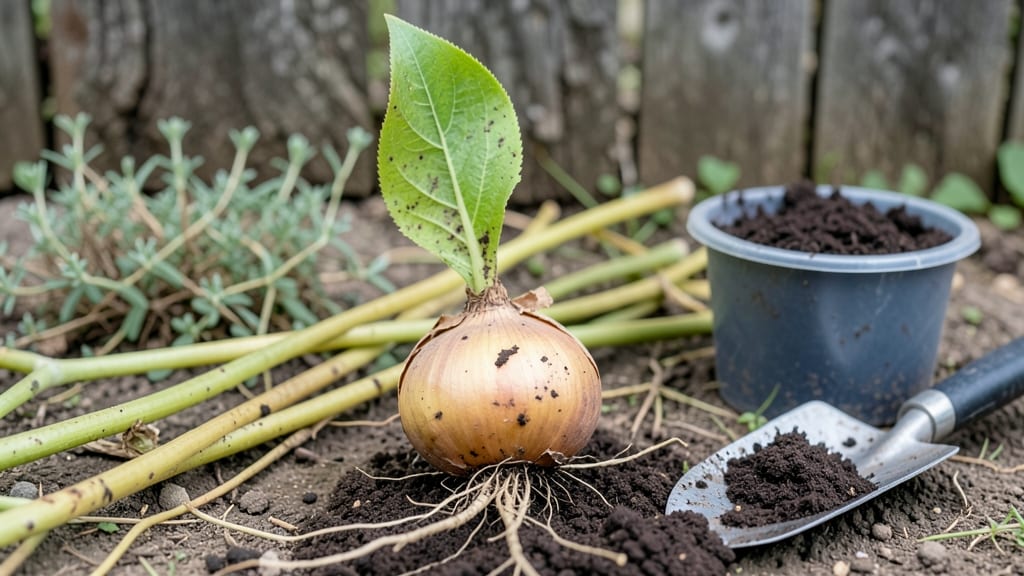
Transplanting lily bulbs is best done in early fall or late winter before new growth begins, ensuring soil temperatures are cool (below 60°F) to minimize stress and maximize root establishment. Avoid transplanting during active blooming or extreme heat, as this can stunt recovery.
Timing your transplant aligns with nature’s rhythm—lilies thrive when they’re not competing with active growth.
In my experience, early fall lets bulbs establish roots before winter’s chill, while late winter gives them a head start before spring’s energy surge. 🌱 Cool soil (below 60°F) prevents shock, and regional tweaks—like waiting until after frost in Zone 5—can mean the difference between a lush rebloom and a struggling transplant.
What’s fascinating is how these bulbs store energy: their dormant state makes them resilient, but disrupting that cycle mid-season (like during bloom) forces them to split energy between recovery and flowering. I’ve seen firsthand how bulbs transplanted in summer’s heat often produce fewer blooms the next year—so patience pays off.
💡 In This Article
- Optimal Soil and Climate Conditions for Lily Bulb Transplanting
- Step-by-Step Lily Bulb Transplanting Process
Optimal soil and climate conditions for lily bulb transplanting
Here's what's actually happening underground: lily bulbs enter dormancy when soil temperatures drop below 60°F, signaling their natural survival mechanism. This cool-season transition triggers root growth without competing with above-ground foliage.
The key factor is matching your transplant timing to this biological rhythm—bulbs planted in early fall (September-October) establish roots before winter, while late winter transplants (February-March) capitalize on spring's moisture without the stress of summer heat. 🌱
Climate zones dramatically shift these windows. In USDA Zones 3-5, where winters are harsh, aim for late August to early September before frost sets in. Gardeners in Zones 6-8 have more flexibility, often transplanting until October, as milder winters allow root establishment over a longer period.
The science here is about avoiding two extremes: transplanting too early when soil is still warm (triggering premature growth) or too late when roots can't establish before winter dormancy begins.
What most people don't realize is how soil temperature affects root development. Studies show lily roots grow at just 0.2 inches per day when soil is 50°F, but this slows dramatically above 65°F.
That's why summer transplants fail—the bulbs expend energy trying to cool themselves rather than establishing roots. The ideal transplant window creates a 4-6 week root zone before winter, giving bulbs enough time to anchor before dormancy sets in.
Consider these regional adjustments for success:
- Northern climates (Zones 3-4): Transplant in late August—soil temps are 55-60°F and frost isn't imminent
- Midwest (Zones 5-6): September-October window works best with 2-3 inches of mulch for insulation
- Southern climates (Zones 7-9): Can transplant until November, but avoid summer heat (soil temps above 70°F)
The texture of freshly transplanted soil matters too—loamy soils with 10-20% organic matter hold moisture while allowing oxygen flow. I've found that amending clay soils with composted bark (30% by volume) improves drainage, while sandy soils benefit from peat moss additions to retain moisture.
The goal is to mimic the bulb's natural habitat where roots can spread freely without waterlogging. 💫
One advanced consideration is the bulb's energy reserves. Each lily bulb stores 1-2 years' worth of nutrients in its scales, but transplanting depletes these reserves.
Bulbs moved in fall have 6 months to replenish before spring growth, while those transplanted in late winter must rely on stored energy until new roots form. This is why fall transplants often produce stronger blooms the following year.