
Blooming
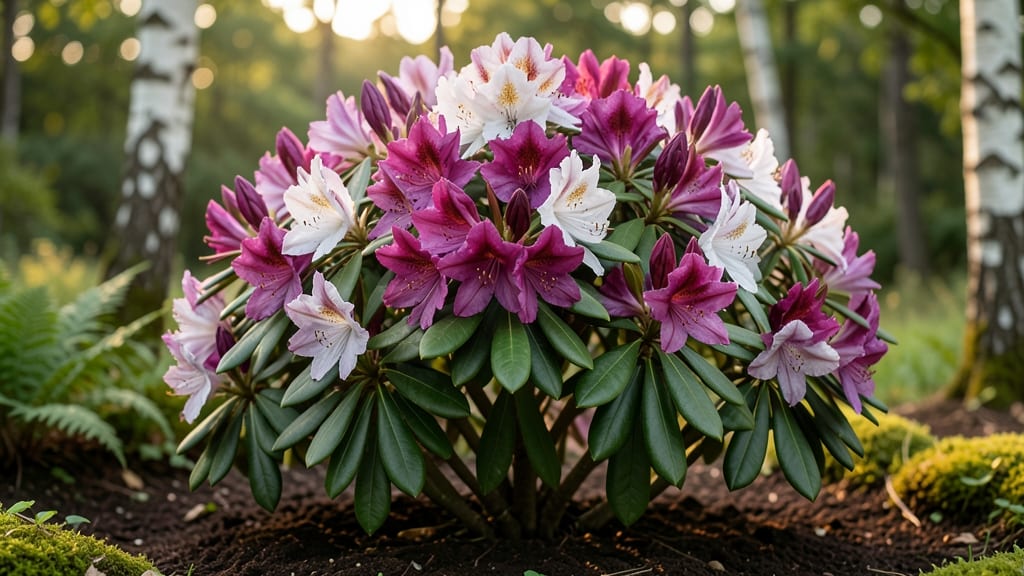
Rhododendrons in North Carolina bloom in spring 🌸, with timing that shifts from early April in the Coastal Plain to late May in the mountains—meaning your garden’s showstopper could peak months apart from a neighbor’s.
Picture this: one week you’re admiring wild rhododendrons blanketing the Blue Ridge Parkway in pink, while another gardener in Raleigh is still waiting for their first buds. That’s the magic (and frustration) of NC’s elevation-driven blooms.
Whether you’re planning a spring garden or chasing wild blooms, knowing your USDA zone and elevation is the key to predicting when your rhododendrons will steal the show.
Here’s how to time it right—from early bloomers in the Piedmont to late-season stars in the mountains—and what to do if a late frost threatens your spring display.
Rhododendron bloom timing in NC by species & elevation
North Carolina’s diverse elevation zones and microclimates create a stunning rhododendron bloom spectacle—but the timing can shift by weeks depending on where you live. The Mountains (USDA zones 6b-7a) often see blooms 2-3 weeks earlier than the Piedmont (zone 7b-8a), while the Coastal Plain (zone 8a) may lag behind.
Even within 50 miles, a 1,000-foot elevation gain can push blooms forward by 10 days or more.
First, let’s clarify the difference: Azaleas (a rhododendron subgroup) typically bloom earlier than true rhododendrons. In NC, azaleas often start in late March to early April, while larger rhododendrons peak in mid-April to early May.
Late frosts (below 28°F) can delay or damage buds, especially in lower elevations where cold air settles.
Here’s how to navigate the chaos with our elevation-adjusted bloom calendar, featuring the most popular NC species and their typical bloom windows by region. Use this as your guide to plan garden visits, pruning, or even wildflower hikes!
In the NC Mountains (e.g., Asheville, Boone), where higher elevations and cooler nights trigger earlier blooms, you’ll often see peak azalea displays by early April.
Drive up Blue Ridge Parkway in late March, and you might catch wild rhododendrons just starting to open their buds—10 days ahead of their Piedmont cousins. The Biltmore Estate gardens, for example, typically hit their azalea peak around April 5-10, while true rhododendrons
How to extend rhododendron blooms in your NC garden
If you’ve ever watched your rhododendrons fade too quickly, you’re not alone. NC’s shorter springs and variable weather can cut bloom seasons short—but with the right techniques, you can push those vibrant blooms by weeks.
The secret lies in soil science, strategic pruning, and microclimate hacks that trick your plants into thinking spring lasts longer.
First, focus on soil pH and moisture. Rhododendrons thrive in acidic soil (pH 4.5-5.5), and even a slight pH drift can stress plants, shortening their bloom cycle. Test your soil in late winter and amend with sulfur or peat moss if needed.
Pair this with consistent morning watering—deep soaks encourage root growth, which directly supports flower production.
- 🌱 Prune after blooming (May-June) to avoid cutting next year’s buds
- 💧 Mulch with pine needles to retain moisture and acidify soil naturally
- ☀️ Use shade cloth (30-50%) in late summer to prevent heat stress
- ✂️ Fertilize in March with acid-loving formula (8-3-9) for bud formation
- 🌳 Plant near evergreens to create a cooler microclimate
For late-blooming cultivars, NC gardeners swear by ‘PJM’ rhododendron (purple, May-June) and ‘Catawbiense Grandiflorum’ (white, June-July). These varieties naturally extend the season by 2-3 weeks compared to early bloomers like ‘Roseum Elegans’. Pair them with azaleas, which bloom slightly later, for a cascading effect.
Don’t overlook microclimate strategies. Plant rhododendrons near north-facing foundations or under deciduous trees to delay heat exposure. In higher elevations (Mountains), blooms arrive 2-3 weeks earlier than in the Piedmont, so time your pruning accordingly.
If late frosts threaten, cover buds with frost cloth—this buys critical days for full bloom development.
Finally, avoid heavy pruning in fall or winter. Instead, shape lightly in July-August to encourage next year’s flower buds. The key is patience: rhododendrons reward careful, seasonally appropriate care with longer, more abundant blooms—sometimes even a second flush in fall if conditions are ideal.
With these techniques, your NC garden could enjoy rhododendron blooms from late April through July, turning your yard into a year-round showstopper. 🌷