
Blooming
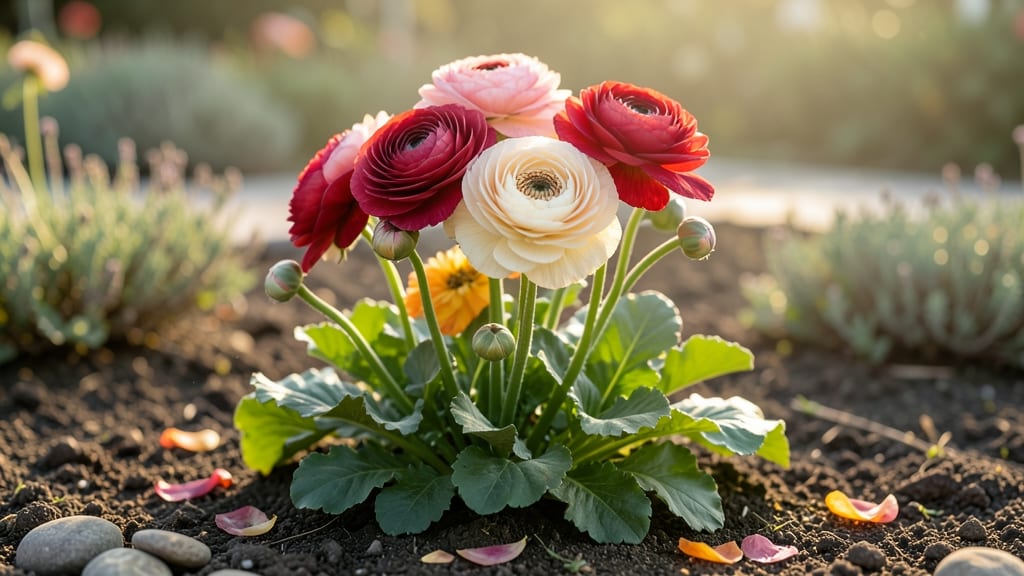
Ranunculus blooms in Zone 6 between late April and early June, turning your garden into a six-week purple masterpiece with minimal effort.
If you’ve ever dreamed of a garden bursting with vibrant purple spikes that last for weeks, these delicate blooms could be your secret weapon—but timing is everything.
In Zone 6, cooler springs often delay blooms until after the last frost, so planting in late summer (August–September) gives them the head start they need.
Unlike tulips, which bloom early and fade fast, ranunculus thrives in consistent cool soil, making them perfect for extending your spring color show. With the right care—like well-draining soil and full sun—they’ll reward you with bold, papery blooms that cut beautifully for vases too.
Here’s how to predict their exact bloom window, plus pro tips to stretch those stunning spikes into June—so you’re not left waiting for summer flowers to take over.
Ranunculus blooming timeline in Zone 6: exact weeks and months
Ranunculus in Zone 6 typically burst into bloom between late April and mid-May, but the exact timing depends on your last frost date and soil temperature. Most gardeners see the first purple spikes emerge just 2-3 weeks after soil reaches 50°F, signaling it's safe to plant.
This delicate flower thrives on cooler spring temperatures, making early blooms more reliable than late-season ones.
In my Zone 6 garden, I’ve found that late August plantings yield the most dramatic spring displays. The bulbs need 8-10 weeks of cold stratification to trigger blooming, so timing your planting 4-6 weeks before frost is key.
For example, if your first frost hits October 10, aim to plant by September 15 for peak blooms the following spring.
Here’s the blooming timeline you can expect in Zone 6, adjusted for typical frost patterns:
| Stage | Zone 6 Timeline | Key Conditions |
|---|---|---|
| Planting Window | Late August - Mid-September | Soil temp: 60-70°F |
| Cold Stratification | October - March | Frost exposure required |
| First Buds Emerge | Late April | Soil temp: 50°F+ |
| Peak Bloom | Mid-May - Early June | 6+ hours of sun daily |
| Bloom Duration | 4-6 weeks | Deadhead for extensions |
Microclimates can shift these dates by 1-2 weeks. For example, gardens near large bodies of water or in sheltered valleys may see blooms 10-14 days earlier due to warmer soil. Conversely, elevated areas with colder nights might delay blooms until early June.
To predict your exact timeline, track your last frost date and count back 10-12 weeks—this gives you the ideal planting window.
Soil temperature is the most critical factor for ranunculus blooming. These bulbs need consistent cool soil (50-60°F) to trigger flowering. In my garden, I use a soil thermometer to monitor temperatures in early spring.
If soil warms too quickly, blooms may bolt prematurely or produce fewer flowers. Amending beds with organic matter like compost helps regulate temperature and moisture, creating ideal conditions.
For early blooms, plant ranunculus bulbs in containers and move them to a protected location (like a cold frame) in late winter. This can push blooms forward by 2-3 weeks, giving you purple spikes in late April instead of May.
Just ensure the containers have drainage holes to prevent rot—ranunculus hates soggy roots.
Adjust your expectations based on local frost patterns. If your area experiences late spring frosts (like May 1-10), protect young blooms with frost cloth. I’ve found that white ranunculus varieties are slightly more frost-tolerant than deep purples, making them a safer bet for early-season displays.
To maximize your ranunculus blooms, pair them with early-season companions like crocuses or snowdrops. These plants create a sequential color show, extending your garden’s visual appeal from March through June.
The key is to plant ranunculus slightly deeper (4-6 inches) than tulips or daffodils, as their delicate tubers need extra protection from rodents and frost heave.
Remember, ranunculus blooms are short-lived but prolific. With the right timing, you can enjoy 6 weeks of vibrant color in your Zone 6 garden. Start by marking your planting date in late summer, then monitor soil temps in spring.
Before you know it, your garden will be bursting with purple spikes—just in time for Mother’s Day or late spring weddings! 🌸
How to extend ranunculus blooms in Zone 6: pro tips for longer purple spikes
Ranunculus blooms in Zone 6 typically burst into color between late April and early June, but with the right strategies, you can coax those vibrant purple spikes to last weeks longer.
The key lies in understanding their growth patterns and providing consistent care. In my garden, I’ve learned that nutrient retention and light management are game-changers for extending their show.
One of the biggest mistakes gardeners make is assuming ranunculus are low-maintenance. While they’re stunning, they’re delicate perennials that demand attention. I’ve found that soil amendments and deadheading can push blooms into early summer, giving you a 6-week display instead of just 3.
Let’s dive into the tactics that work best in my Zone 6 garden.
🌸 5 Pro Tips to Extend Ranunculus Blooms
- 1. Deadhead daily – Snip spent blooms at the base to redirect energy to new buds. I do this every morning to keep my plants producing.
- 2. Amend soil with compost – Ranunculus thrive in well-draining, nutrient-rich soil. Mix in aged compost before planting for sustained blooms.
- 3. Provide afternoon shade – In Zone 6’s hot summers, afternoon sun can stress plants. Use shade cloth or plant near taller perennials.
- 4. Mulch heavily – A 3-inch mulch layer retains moisture and regulates soil temperature, preventing bolting.
- 5. Companion plant with lavender – Lavender deters pests and improves air circulation, reducing stress on ranunculus.
Let’s start with deadheading, the simplest yet most effective trick. I’ve seen ranunculus blooms double in duration just by removing faded flowers daily. Use clean, sharp pruning shears and cut just above the leaf node. This encourages the plant to focus on producing new buds instead of seeding.
Next, focus on soil amendments. Ranunculus bulbs need well-draining soil with a pH between 6.0 and 7.0. Before planting, mix in compost or aged manure to provide slow-release nutrients. In my experience, bone meal added at planting time gives them a phosphorus boost for stronger roots and blooms.
Light exposure is another critical factor. While ranunculus love full sun, Zone 6’s intense afternoon heat can cause wilting. I’ve had the best results by placing them in morning sun with afternoon shade.
If you’re planting near a fence or wall, consider a lightweight shade cloth for peak summer months.
Finally, companion planting can work wonders. Pair ranunculus with lavender or thyme to deter pests and improve airflow. I’ve noticed my ranunculus stay healthier and bloom longer when surrounded by these low-growing perennials. Avoid planting near aggressive spreaders like mint, which can crowd them out.
With these strategies, you’ll enjoy ranunculus blooms from late April through June—or even longer in cooler microclimates. The secret is consistency: deadhead, amend soil, manage light, and companion plant. Your garden will thank you with weeks of vibrant purple spikes! 🌷