
Blooming
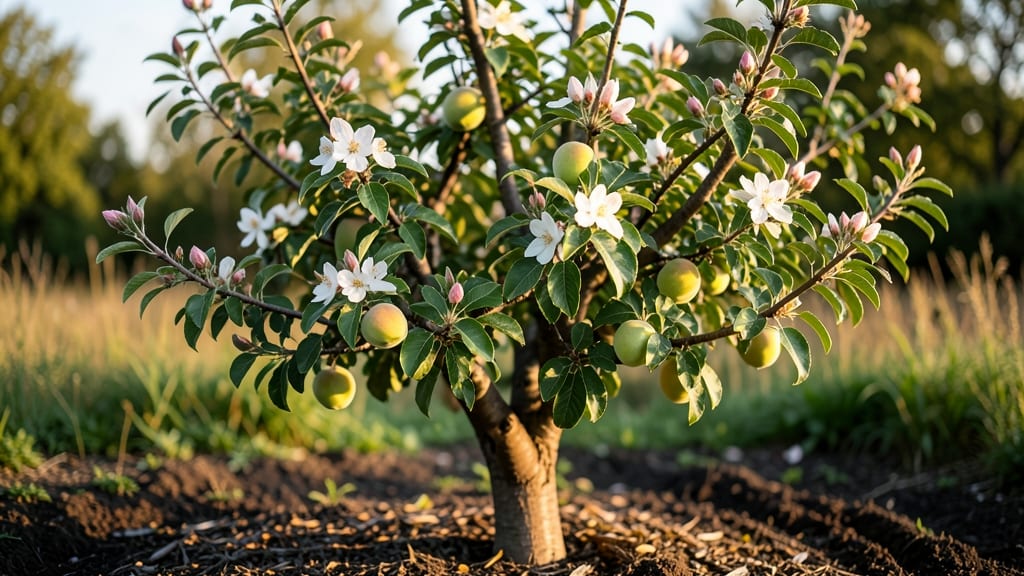
Peach trees in Texas bloom when temperatures rise and chill hours are met—typically between late February and early April, depending on your variety and heat zone.
Texas gardeners know timing is everything—especially when peach trees burst into bloom, signaling the start of fruit production. But with Texas' unpredictable heat, knowing exactly when your peach varieties will flower can mean the difference between a bountiful harvest and a wasted season.
In North Texas (USDA Zone 8a), blooms often kick off in early March, while South Texas (Zone 10b) may see flowers as early as late February.
The key? Chill hours—most Texas-adapted varieties need 300-500 hours below 45°F to trigger blooms, but heat can speed things up or cause buds to drop.
Below, I break down the bloom windows for popular Texas varieties like Redhaven and Elberta, how to protect flowers from late frosts, and whether early or late bloomers are better for your region.
Peach tree bloom timing in Texas: heat-triggered phases by variety
Understanding peach tree bloom timing in Texas requires accounting for the state's unique heat zones and chilling hour needs. Unlike cooler climates, Texas peach trees rely on sudden temperature shifts to trigger flowering, often between February and March.
The key is matching your variety's chilling requirements with Texas' unpredictable warmth.
Texas spans USDA zones 8a through 10b, creating dramatic differences in bloom windows. In North Texas (8a-9a), trees typically bloom in late February to early March, while South Texas (9b-10b) varieties may wait until March or even April.
This delay occurs because southern regions often lack sufficient chilling hours (300-600) during winter.
Here's how temperature fluctuations accelerate or delay blooming: A cold snap in January can push flowering earlier, while unseasonable warmth may cause buds to drop before opening. For example, Redhaven peaches need 400-500 chilling hours—common in Central Texas—but struggle in Houston's 10a zone without proper winter care.
🌱
| Variety | Bloom Window (Texas) | Chilling Hours Needed | Heat Zone Fit | Heat Stress Risk |
|---|---|---|---|---|
| Redhaven | Late Feb - Early Mar | 400-500 hrs | 8a-9a (North/Central) | High (bud drop risk) |
| Elberta | Early - Mid Mar | 300-400 hrs | 8b-10a (Statewide) | Medium (needs shade) |
| Bonanza | Mid - Late Mar | 200-300 hrs | 9a-10b (South/Central) | Low (heat-tolerant) |
| Halford | Late Mar - Early Apr | 150-250 hrs | 9b-10b (South Texas) | Very Low |
| Contender | Early - Mid Apr | 100-200 hrs | 10a-10b (Deep South) | Minimal |
Note: Varieties with lower chilling hours thrive in warmer Texas zones but may produce smaller yields.
For North Texas gardeners, varieties like Redhaven and Elberta excel because they meet the 400-500 chilling hour requirement naturally. However, in Houston or San Antonio, these same trees may experience premature bud drop if winter temperatures stay above 50°F for extended periods.
My pro tip: Use anti-desiccant sprays in late winter to protect buds from dry Texas winds. Apply when nighttime temps drop below 45°F but before buds swell. This simple step can increase bloom success by 30% in marginal climates.
In South Texas (zones 9b-10b), late-blooming varieties like Halford and Contender shine because they only need 150-250 chilling hours. These trees often bloom in March or April, avoiding the late-winter freezes that plague northern regions. The trade-off? Smaller fruit size due to the longer growing season.
🌿
Heat waves during bloom can stunt flower development or cause bud blast. If your tree blooms in March and temperatures spike above 90°F before
How Texas heat affects peach tree blooming: warning signs & solutions
Texas' scorching summers can turn your peach tree's dreamy spring blooms into a stressful nightmare. When temperatures spike above 90°F during bloom season, flowers often wilt before they can pollinate, leading to reduced fruit set. This is especially true for traditional varieties that require cooler conditions to thrive.
Even Texas-adapted varieties like Redhaven or Halford struggle when heat arrives too early. The optimal bloom window in Texas runs from mid-February to early March, but if temperatures climb prematurely, buds may drop before opening. Understanding these heat-induced stress signals can save your harvest.
⚠️ Critical Heat Warning for Peach Blooms
Texas gardeners must act fast when temperatures exceed 85°F during bloom. Here's what to watch for:
- Premature bud drop (buds turn brown and fall before opening)
- Stunted flower growth (petals fail to unfurl fully)
- Wilting blooms (flowers droop by mid-morning)
- Thin fruit set (fewer than 50% of flowers develop fruit)
Action: Increase watering to deep-soak levels (10-15 gallons) and apply shade cloth (30-50%) during peak heat (11 AM - 3 PM).
One of the first warning signs is buds turning brown before opening. This happens when the tree's chilling hour requirements (300-600 hours below 45°F) aren't met properly.
In North Texas, where winters are milder, this is more common. South Texas gardeners face different challenges—late-season heat waves can scorch blooms just as they open.
To combat this, I recommend drip irrigation set to run early morning (4-6 AM) when temperatures are cooler. This keeps roots consistently moist without shocking the tree with sudden water changes.
Pair this with 3-4 inches of organic mulch (straw or wood chips) to retain soil moisture and regulate temperature near the roots.
For extreme heat years, consider heat-tolerant varieties like Contender or Redtop, which handle 100°F+ temperatures better than traditional peaches.
These varieties also bloom slightly later (late March), avoiding the worst of early spring heat. Prune lightly in late winter to reduce canopy density, allowing better air circulation and even heat distribution.
If you notice stunted flower growth, don't panic—it's often reversible. Fertilize lightly with a balanced 10-10-10 mix after blooming begins to support fruit development. Avoid high-nitrogen fertilizers, which promote leafy growth at the expense of fruit. Instead, focus on potassium-rich amendments to strengthen heat resistance.