
Blooming
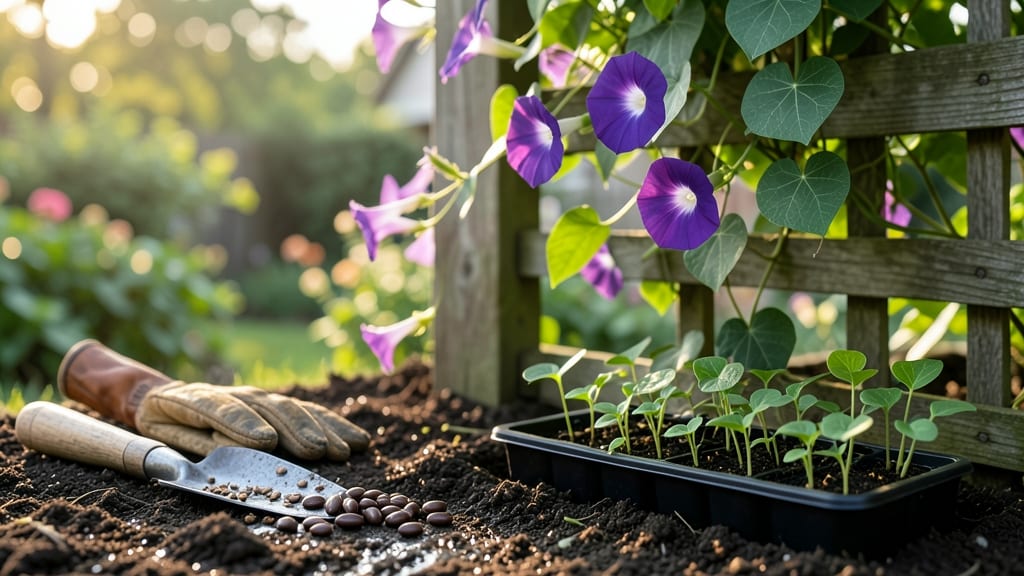
Morning glories bloom from seed in 60–90 days when planted in warm soil and full sun—though some varieties like 'Heavenly Blue' can flower in just 45 days under ideal conditions.
If you’ve ever planted morning glory seeds hoping for instant color, you know the wait can feel endless—but timing everything right from seed to bloom is the secret to success. Too cool, and your vines will stretch without flowers; too late, and summer’s over before they even start climbing.
Soil temperature is the real game-changer: seeds need 60°F+ to germinate, but blooms won’t appear until the vines hit 70°F consistently.
That’s why spring planting in USDA Zone 6a (like my garden) means starting seeds indoors in March to beat the April 15 frost and get those 🌸 blooms by June.
Below, I’ll break down the fastest varieties, how to read your plant’s signals, and the 3 tricks that cut blooming time by 2–4 weeks—no magic required.
Morning glory bloom timeline: from seed to flower in weeks (not months!)
If you’ve ever planted morning glory seeds hoping for instant color, you know the wait can feel endless—but timing everything right from seed to bloom is the secret to success.
These fast-growing vines (Ipomoea species) can produce stunning blooms in as little as 6-8 weeks under ideal conditions, though most varieties take 8-12 weeks from seed to first flower. The key lies in understanding each growth stage and how to optimize it.
Morning glories grow through four distinct phases: germination, vegetative growth, bud formation, and flowering. Skipping any step—like waiting for warm soil or neglecting sunlight—can delay blooms by weeks.
For example, 'Heavenly Blue' typically blooms 7-9 weeks after planting, while 'Scarlet O'Hara' may take 9-11 weeks. The difference comes down to genetics and growing conditions.
Here’s the breakdown of what to expect each week, along with how to accelerate the process for faster blooms. Understanding these stages helps you troubleshoot delays and ensure your vines reach their full 10-15 foot potential in record time.
🌱
Each stage of your morning glory’s life cycle offers opportunities to speed up blooming. For instance, 'Heavenly Blue' is one of the fastest varieties, often flowering in 7 weeks when grown in 75°F+ soil.
To push it even faster, use a heat mat during germination and provide a trellis early to encourage vertical growth, which redirects energy toward blooms instead of sprawling vines.
One common mistake gardeners make is waiting for cool soil to plant seeds. Morning glories won’t germinate below 50°F, and slow soil warmth delays everything by 2-3 weeks. Test your soil with a thermometer—aim for 70°F+ for fastest results.
If your climate is cool, opt for container growing where you can control soil temperature with black plastic mulch or row covers.
Light also plays a critical role. Morning glories need 6+ hours of direct sunlight daily to trigger flowering. If your plants are leggy with few blooms, they’re likely light-deprived.
Move containers to sunnier spots or prune lower leaves to improve airflow and light penetration. In shady gardens, choose tolerant varieties like 'Moonlight', though blooms will be less vibrant.
Fertilizer choices can shave weeks off your blooming timeline. Use a balanced 5-10-10 fertilizer during vegetative growth, then switch to a high-phosphorus 10-20-10 when buds form. This shift signals the plant to focus on blooms instead of foliage.
Over-fertilizing with nitrogen (first number) will give you lush leaves but delay flowers—so avoid high-nitrogen lawn fertilizers.
Deadheading—removing spent blooms daily—is another pro trick to extend the flowering season. Since morning glories bloom for just one day, deadheading encourages the plant to produce new buds faster. Pair this with consistent morning watering (to prevent fungal diseases) and you’ll enjoy continuous color for months.
In my own garden, this simple habit added 3-4 extra weeks of blooms to my 'Scarlet O'Hara' vines.
🌸
Soil temperature triggers: the exact conditions that spark morning glory blooms
Morning glories are famously finicky about when they’ll bloom, and soil temperature is the hidden control knob. These vines won’t even germinate until the ground hits 50°F, but for fastest blooms, you’ll want to aim for the sweet spot between 60°F and 75°F.
Too cold, and they’ll sulk; too hot, and they’ll bolt before showing off those iconic trumpets.
Most gardeners assume morning glories are warm-season plants, but they’re actually cool-season opportunists—they’ll germinate in spring’s first warm snap but need consistent warmth to keep flowering. In USDA zones 3–5, wait until after the last frost when soil temps stabilize at 60°F+.
Meanwhile, in zones 7–11, you can plant as early as February in mild winters or even fall-sow for spring blooms.
Testing soil temperature is easier than you think. Use a soil thermometer (just $10 at garden centers) or bury a meat thermometer 2 inches deep in moist soil. Check it daily—morning glories need consistent warmth, not just occasional heat spikes.
If your soil runs cool, try black plastic mulch or a cold frame to raise temps by 5–10°F.
Regional timing varies wildly. In USDA zone 3, plant after May 15 when soil hits 60°F. In zone 10, you can direct-sow in January for blooms by March.
Pro tip: ‘Heavenly Blue’ blooms fastest in warm soil (70°F+), while ‘Scarlet O’Hara’ tolerates cooler 55°F–65°F ranges better.
Overheating is just as bad as chilling. If your soil exceeds 80°F for weeks, morning glories may bolt (send up flower stalks too fast) or skip blooming entirely. Provide afternoon shade in zones 8–11 with a lightweight shade cloth (30–50% block) to keep temps in check.
Mulch with straw or wood chips to insulate roots and retain moisture.
Once your soil hits the sweet spot (65°F–75°F), expect germination in 7–14 days and first blooms in 60–90 days, depending on variety. The key? Patience + precision. Monitor soil temps weekly, adjust mulch as needed, and soon you’ll have a morning glory explosion that lasts all summer.