
Blooming
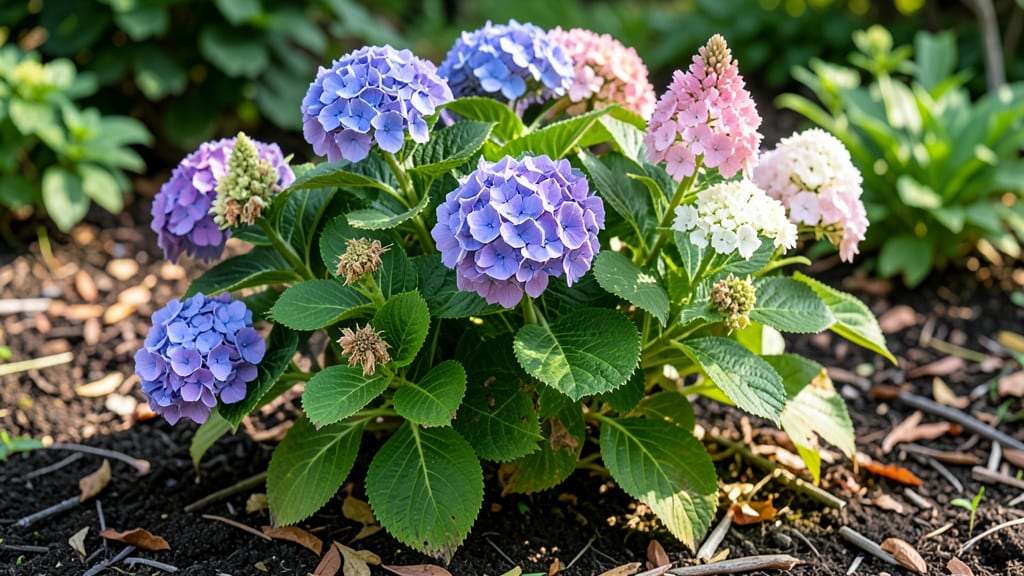
Hydrangeas bloom in New Jersey between mid-June and early September, but the exact timing depends on the variety and your local microclimate—coastal areas often see blooms a few weeks earlier than inland zones.
If you're dreaming of vibrant hydrangea blooms in your New Jersey garden, timing is everything—especially in NJ’s Zone 6-7 climate where seasons shift unpredictably.
A late frost in May can delay blooms, while a hot June might push them earlier, leaving you wondering if your 🌸 hydrangeas will ever show their colors.
Most bigleaf hydrangeas (like 'Endless Summer') start flowering in late June, while panicle types (such as 'Limelight') peak in August. Oakleaf varieties often bloom a bit later, stretching into September, but only if they had a strong spring growth period.
Below, I’ll break down how to adjust care—like pruning and feeding—to keep your hydrangeas on schedule, plus how to spot the first buds so you never miss their big debut.
Hydrangea bloom seasons in NJ: bigleaf vs. panicle vs. oakleaf varieties
If you're planning your NJ garden around hydrangea blooms, knowing the right variety and timing can mean the difference between summer-long color and missed opportunities.
New Jersey's Zone 6-7 climate creates unique bloom windows for each type, so let's break down when to expect flowers from the three most popular hydrangeas—bigleaf, panicle, and oakleaf—and how to maximize their performance.
Most gardeners focus on summer blooms, but NJ's variable spring frosts and late-season heat can shift bloom times significantly. For example, bigleaf hydrangeas often bloom in late spring to early summer, while panicle types may wait until mid-to-late summer.
Understanding these differences helps you choose varieties that align with your garden's peak viewing months and local microclimates.
The comparison table below highlights key bloom periods, reblooming capabilities, and NJ-specific care tips for each variety. Use this as your guide to select hydrangeas that thrive in your yard's conditions and deliver consistent seasonal interest.
| Hydrangea Type | Primary Bloom Time (NJ) | Reblooming Capability | Color Range | NJ Care Tip |
|---|---|---|---|---|
| Bigleaf Hydrangea (H. macrophylla) | Late May - July (some rebloom in fall) | Yes (with proper pruning) | Blue, pink, purple, green | Prune after blooming to encourage reblooms |
| Panicle Hydrangea (H. paniculata) | July - September (longest bloom season) | Yes (naturally reblooms) | White → pink → burgundy | Tolerates full sun better than other types |
| Oakleaf Hydrangea (H. quercifolia) | June - August (with occasional fall blooms) | Limited (some rebloom) | White → pink → burgundy | Loves morning sun and acidic soil |
For bigleaf hydrangeas, the late May to July bloom window is critical. These are the classic blue/pink varieties most gardeners recognize, but they often produce one main flush of flowers unless you prune correctly.
In NJ, late spring frosts can delay blooms, so planting in sheltered microclimates helps. If you want fall color, choose reblooming varieties like 'Endless Summer' and prune after flowering.
Panicle hydrangeas are the summer-long performers in NJ gardens, blooming from July through September. Their cone-shaped flowers start white and mature to pink or burgundy, making them standout late-season stars. Unlike bigleaf types, panicle hydrangeas naturally rebloom, so they're ideal for extended seasonal interest. Varieties like 'Limelight' and 'Little Lime' thrive in NJ's hot, humid summers.
If you prefer earlier blooms or unique foliage, oakleaf hydrangeas bloom from June to August and offer exfoliating bark as a winter feature. Their white flowers fade to pink and burgundy, creating a soft, romantic look.
Oakleafs are more drought-tolerant than bigleaf types, making them a low-maintenance choice for NJ's variable rainfall. Plant them where they'll get morning sun to prevent leaf scorch.
To extend bloom seasons in NJ, consider layering varieties. For example, plant bigleaf hydrangeas for late spring, panicle types for summer, and oakleaf for early fall. This creates a continuous color show from May through October.
Always monitor your local frost dates—late frosts can damage new flower buds, so protect tender varieties with frost cloth if needed.
One common mistake NJ gardeners make is pruning at the wrong time. Bigleaf hydrangeas bloom on old wood, so prune right after flowering to shape the plant and encourage next year's blooms.
Panicle and oakleaf types bloom on new wood, so you can prune in late winter to stimulate fresh growth and earlier blooms. Always use clean, sharp pruners to avoid spreading disease.
For best results, amend your NJ soil with compost and peat moss to maintain acidity, especially for blue bigleaf hydrangeas. Test your soil's pH level—aim for 5.2-5.5 for blue flowers or 6.0+ for pink.
In coastal NJ, where summers are milder, hydrangeas may bloom earlier than inland areas. Adjust your planting timeline accordingly to align blooms with your garden's peak season.
Remember, hydrangea blooms are highly responsive to care. Consistent watering, mulching, and seasonal pruning will reward you with longer, more vibrant blooms in your NJ garden. Start with the variety that fits your timeline, then fine-tune based on your
How NJ’s climate affects hydrangea blooming: frost dates, heat waves, and reblooming tips
New Jersey’s Zone 6-7 climate creates a unique challenge for hydrangea lovers—unpredictable frost dates and summer heat waves can dramatically shift bloom timing. While most varieties thrive here, late-spring frosts and early autumn chills often catch gardeners off guard.
Understanding these patterns helps you time plantings and protect blooms for the most stunning displays.
Hydrangeas typically bloom between late May and September in NJ, but late frosts (common until mid-April) can damage new growth. Meanwhile, heat waves in July-August may cause buds to drop prematurely if plants aren’t properly cared for.
The key? Adjusting your approach based on your specific microclimate—whether you’re in coastal areas (cooler summers) or inland regions (hotter, drier conditions).
⚠️ callout-warning ⚠️
Average last frost: April 15 (varies yearly)
Risk: New shoots emerging in March-April can be killed by 28°F+ frosts
Solution: Wait until May 1 to prune reblooming varieties (e.g., Endless Summer) to avoid cutting off next year’s buds
Pro Tip: Use frost cloth for young plants or mulch heavily in fall to insulate roots
To maximize reblooming potential, focus on panicle and oakleaf varieties, which often produce a second flush of flowers in late summer.
Bigleaf hydrangeas (like Nikko Blue) typically bloom once in late spring, but with proper care—including regular watering and balanced fertilization—they’ll reward you with lush foliage even if buds don’t set. My go-to tip? Deadhead spent blooms in early summer to encourage new growth for rebloomers.
Heat waves pose another threat, especially in inland NJ where temperatures can exceed 90°F. To protect hydrangeas, ensure they receive morning sun and afternoon shade, and water deeply at the base (not overhead) to prevent leaf scorch.
Mulching with 3-4 inches of organic matter helps retain moisture and keeps roots cool. I’ve seen panicle hydrangeas like Limelight handle heat better than others, making them ideal for hotter microclimates.
For gardeners in coastal NJ, cooler summers mean longer bloom seasons—some varieties may even extend into early October. However, early autumn frosts (possible by October 30) can damage tender new growth.
To prepare, I recommend light pruning in early spring to open the canopy for airflow, reducing frost sensitivity. If you’re unsure about your local frost dates, check the NJ State Climate Office or use a frost-free date calculator for your ZIP code.
Finally, don’t overlook the power of seasonal adjustments. If your hydrangeas struggle with blooming, try planting in containers for easier movement during extreme weather. I’ve had success with dwarf varieties like Mini Penny in pots, which I bring indoors during late frosts.
With these strategies, you’ll turn NJ’s variable climate into an advantage for show-stopping hydrangea displays year after year. 🌿