
Blooming
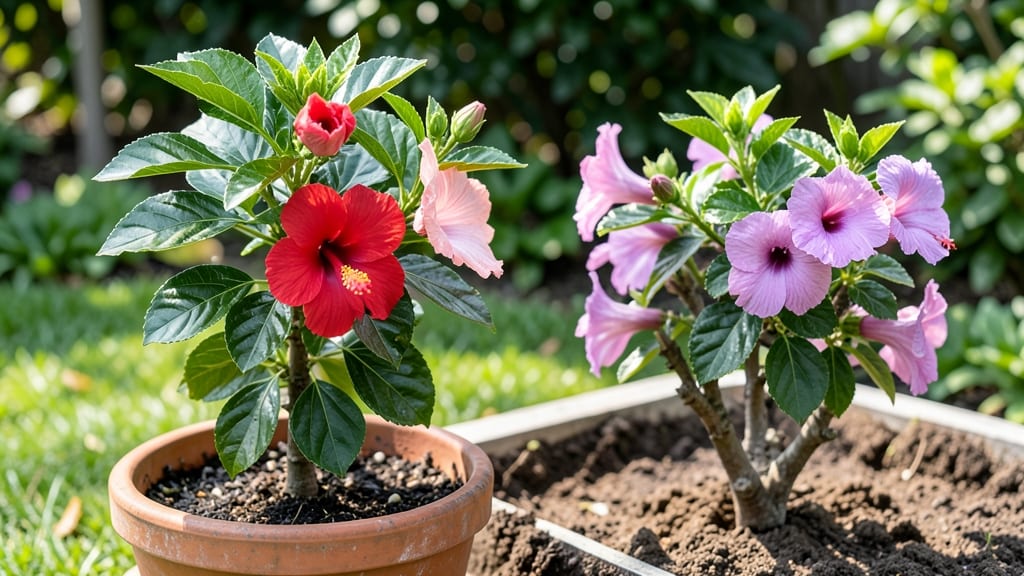
Hibiscus bloom in Florida from spring through fall 🌺, with tropical varieties often flowering year-round in warmer zones like Miami, while hardy types peak in summer.
Picture this: your backyard bursting with vibrant blooms from March to October, only to fade as cooler weather sets in. The good news? With the right care, you can extend that show well into winter—and even coax a few stubborn flowers to reappear in spring.
Florida’s frost-free climate means hibiscus thrive year-round, but variety matters. Tropical hibiscus (like those in zones 10-11) may bloom sporadically in winter, while hardy types (zones 8a-9) often pause until spring’s warmth returns.
In this guide, I’ll break down the exact bloom windows by variety, share pruning secrets to trigger more flowers, and reveal the one fertilizer trick that keeps hibiscus blooming longer—no matter the season.
Hibiscus bloom seasons in Florida: tropical vs hardy varieties
Florida’s climate creates the perfect conditions for hibiscus to thrive, but not all varieties bloom at the same time. Tropical hibiscus (like Hibiscus rosa-sinensis) can flower year-round in warm zones, while hardy hibiscus (such as Hibiscus moscheutos) peak in spring and summer.
Understanding these differences helps you choose the right variety for your USDA zone 8a-11 garden.
In southern Florida (zones 10-11), tropical hibiscus enjoy near-continuous blooms, especially when temperatures stay above 50°F (10°C). Meanwhile, hardy hibiscus in northern Florida (zones 8a-9) may experience shorter bloom seasons due to cooler winters. Microclimates—like coastal areas or inland heat islands—can also shift bloom timing by weeks.
For tropical hibiscus, the key to year-round blooms is maintaining warm soil temperatures. In USDA zone 10-11, these plants rarely slow down, but a cold snap below 40°F (4°C) can cause dormancy.
Hardy varieties, however, rely on warm spring temperatures to trigger blooming, often starting as early as March in southern Florida and April in northern regions.
If you’re in zone 8a, where winters dip below freezing, consider hardy hibiscus varieties like 'Anneke' or 'Marshmallow'. These can handle 20°F (-7°C) and still produce stunning blooms. For year-round color, pair tropical hibiscus with annuals like celosia, which fill gaps when hibiscus slows in winter.
Microclimates play a huge role in Florida’s hibiscus blooms. A coastal garden in Miami (zone 11) might see tropical hibiscus flowering in December**, while the same variety in Tallahassee (zone 8a) could go dormant.
Even within a city, urban heat islands can extend bloom seasons by 2-4 weeks compared to rural areas.
To extend blooms, focus on regular pruning—removing spent flowers encourages new growth. In winter months, reduce watering for tropical hibiscus to simulate dormancy, then resume feeding in early spring to kickstart blooming. For hardy varieties, a light fertilizer in February can jumpstart the season.
One common mistake is assuming all hibiscus bloom year-round. Hardy varieties often go dormant in winter, while tropical types may slow down if temperatures drop below 55°F (13°C) for extended periods.
Pay attention to your plant’s leaf color—yellowing leaves signal stress, often from overwatering in winter or underwatering in summer.
For container-grown hibiscus, bloom timing shifts based on pot size and material. Smaller pots dry out faster, stressing plants and delaying blooms. Use 15-gallon containers for tropical hibiscus and add mulch to retain moisture. In summer heat, shade cloth can prevent heat stress, which stunts flowering.
Pro tip: Track your hibiscus’s bloom cycle by marking the first flower of the season. Over time, you’ll notice patterns tied to rainfall, humidity, and temperature shifts. In drought years, expect shorter bloom seasons unless you increase irrigation during critical growth phases.
🌺 Whether you’re growing hibiscus for year-round color or seasonal bursts, Florida’s climate offers endless possibilities. Choose the right variety for your zone, protect it from unexpected cold snaps, and keep it well-fed to enjoy hibiscus blooms that rival the brightest Florida sunsets.
How to maximize hibiscus blooms: pruning and care tips by season
Florida’s hibiscus thrive year-round, but seasonal pruning and care can transform a few blooms into a nonstop floral display. The key lies in understanding when and how to prune, fertilize, and adjust watering to match Florida’s spring-to-fall growing rhythm.
Even tropical hibiscus—like the Hibiscus rosa-sinensis—can benefit from strategic trims to encourage continuous blooming during off-seasons.
Hardy hibiscus varieties, such as Hibiscus moscheutos, follow Florida’s natural spring-summer bloom cycle but can be coaxed into producing extra flowers with the right techniques. I’ve found that late winter pruning (just before new growth) and summer deadheading are game-changers for extending their season.
Let’s break down the step-by-step seasonal care to maximize your hibiscus blooms.
- Late Winter (Jan-Feb): Prune 1/3 of old growth to stimulate spring blooms and remove dead wood. Use sterilized shears to avoid disease.
- Early Spring (Mar-Apr): Apply balanced 7-9-5 fertilizer to fuel new growth. Water deeply every 2-3 days as roots re-establish.
- Summer (May-Aug): Deadhead spent blooms weekly to redirect energy to new flowers. Increase watering to daily deep soaks during heatwaves.
- Early Fall (Sep-Oct): Lightly prune to shape plants and remove leggy growth. Reduce fertilizer to half-strength to harden off for cooler months.
- Winter (Nov-Dec): Skip pruning unless frost-damaged. Water bi-weekly and monitor for aphids or spider mites in sheltered microclimates.
Pruning isn’t just about cutting back—it’s about encouraging the plant’s natural blooming cycle. For example, I prune my tropical hibiscus in late winter to remove crossing branches and open the center for better airflow.
This simple step reduces fungal risks and allows sunlight to reach inner buds, which often translates to earlier and more abundant blooms in spring.
Fertilizer timing is equally critical. In Florida’s heat, hibiscus can burn from over-fertilizing, so I switch to a light feeding schedule in summer—every 6-8 weeks instead of monthly. A slow-release granular fertilizer works best, as it feeds roots gradually without shocking the plant.
Pair this with morning watering to prevent fungal issues like powdery mildew, which thrives in humid Florida summers.
Pests like whiteflies and spider mites can derail your blooming plans, especially during Florida’s dry winters. I’ve had success with neem oil sprays applied every 2 weeks in late fall to keep pests at bay.
For organic control, introduce ladybugs or lacewings—they’re natural predators and won’t harm your hibiscus. A healthy plant with fewer pests will redirect energy into producing more flowers.
Don’t overlook mulching—it’s a game-changer for Florida’s sandy soil. A 2-inch layer of organic mulch (like pine bark) helps retain moisture, regulates soil temperature, and suppresses weeds that compete for nutrients.
I always mulch after spring pruning to give my hibiscus a head start on growth before the blooming season peaks in late spring.
With these seasonal adjustments, your hibiscus can bloom nearly year-round in Florida’s climate. The key is consistency—prune at the right times, fertilize lightly but regularly, and stay vigilant about pests and watering.
My Hibiscus rosa-sinensis now produces continuous blooms from March through November, thanks to these tailored care tips. Give it a try, and watch your hibiscus transform into a nonstop floral spectacle! 🌺