
Trees
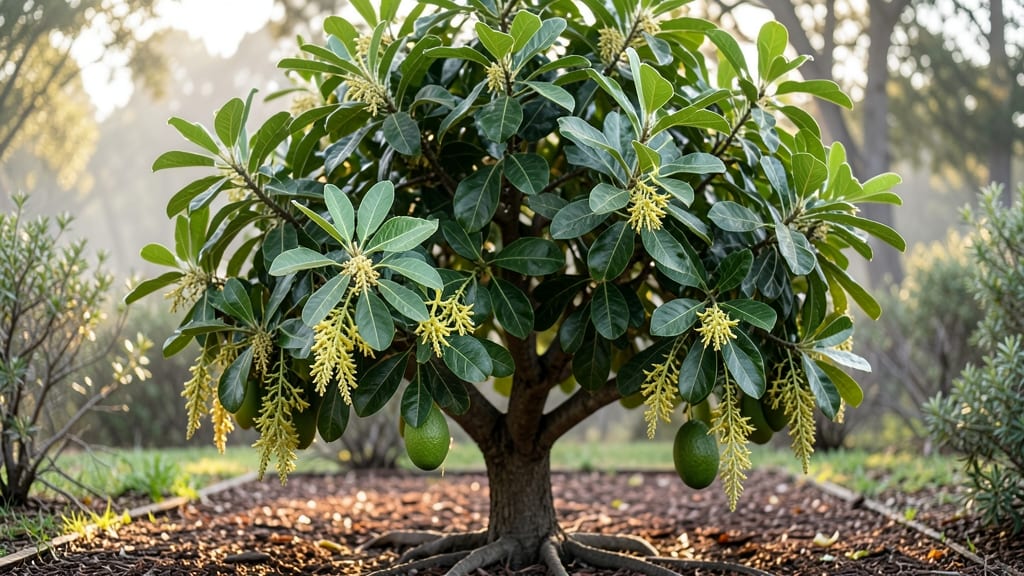
Avocado trees in Florida bloom year-round, but the peak flowering seasons depend on variety and climate shifts—timing these cycles is everything if you want a steady harvest of creamy, dreamy fruit.
Picture this: your 🥑 tree covered in tiny, fragrant flowers, only to have them drop without setting fruit. It’s happened to more gardeners than you’d think, and the culprit is often a mismatch between bloom timing and the right growing conditions.
In Florida’s 9a-11 zones, most varieties like Hass and Reed bloom in spring and fall, while Choquette and Lula may flower more heavily in late summer. But even a slight temperature dip or inconsistent watering can throw off the whole process.
Below, I’ll break down the exact bloom windows by variety, how to spot when your tree is ready to flower, and the simple tweaks that can double your fruit production—no guessing required.
Florida avocado bloom seasons by variety: what to expect each year
Florida’s year-round growing season creates ideal conditions for avocado trees, but bloom timing varies dramatically by variety. Unlike California’s cool-season bloomers, Florida’s avocados often flower multiple times annually, with peaks in spring and fall. Understanding these patterns helps you predict harvests and adjust care routines accordingly.
Most Florida-grown varieties bloom 2-3 times per year, with primary cycles in March-April and September-October. However, some varieties like Reed may produce continuous blooms year-round. Climate factors like humidity spikes or unexpected cold snaps can disrupt these patterns, especially in North Florida’s Zone 8a areas.
Here’s how to identify bloom seasons for Florida’s most popular varieties:
| Variety | Primary Bloom Period | Secondary Bloom Period | Frost Risk Impact | Fruit Maturity Time |
|---|---|---|---|---|
| Hass | March-April | September-October | Low (Zone 9a+) | 12-18 months |
| Reed | Year-round (peaks Jan-Feb) | None (continuous) | Moderate (Zone 8a) | 10-14 months |
| Choquette | April-May | August-September | High (Zone 8a) | 14-18 months |
| Lula | February-March | October-November | Moderate (Zone 9a) | 10-12 months |
| Fuerte | May-June | November | Low (Zone 9b+) | 16-20 months |
The Hass variety, Florida’s most popular, typically blooms in March-April and again in September-October. These blooms produce fruit that matures in 12-18 months, meaning your first harvest could arrive as early as summer 2025 if planted in spring 2023.
The Reed variety stands out with its year-round blooming habit, making it ideal for continuous harvests.
For North Florida growers in Zone 8a, frost risk becomes critical. A single 28°F night can damage Choquette blooms, which peak in April-May. To protect your tree, consider frost cloths or overhead irrigation during late winter.
In South Florida (Zone 10a+), frost is rarely a concern, allowing for more predictable blooming.
Watch for tiny yellow flowers clustered in the tree’s canopy—they’re easy to miss but essential for fruit production. Each bloom cluster can develop into 1-5 avocados, depending on pollination success.
Cross-pollination between varieties often improves yields, so planting two different varieties (like Hass + Reed) can boost your harvest.
Climate shifts are altering bloom patterns. In recent years, warmer winters have caused some trees to bloom as early as January, while drought stress can delay blooming until late spring.
Monitoring your tree’s water needs and nutrient levels helps maintain consistent flowering. For example, low phosphorus can stunt bloom production, so a balanced 6-6-6 fertilizer applied in early spring supports healthy flowers.
If your tree isn’t blooming, don’t panic—young trees (under 3 years) may focus on foliage growth instead of flowers. Patience is key, but proper pruning and sunlight exposure can encourage earlier blooming. For mature trees, thinning dense foliage improves air circulation and sunlight penetration to bloom clusters
How to encourage avocado tree blooming in Florida’s climate
Florida’s warm winters and long growing season create perfect conditions for avocado trees to bloom year-round, but optimizing their environment can trigger more abundant flowering. The key lies in balancing nutrients, water, and sunlight while avoiding common pitfalls that delay blooms.
Since avocados are evergreen trees, they don’t have a strict seasonal cycle like temperate plants, but they still respond to environmental cues.
First, focus on pruning techniques that encourage flowering. Avocados produce flowers on new growth, so light pruning in late winter or early spring (February-March) stimulates fresh shoots. Remove only dead or crossing branches—never over-prune, as this stresses the tree and reduces blooms.
For mature trees, thin the canopy to improve airflow and sunlight penetration to inner branches where flowers often form.
⚠️ callout warning ⚠️ ⚠️ Common Mistake: Over-Fertilizing with Nitrogen
⚠️ Too much nitrogen promotes leafy growth but stops flowering. Avocados need a balanced NPK ratio (6-6-6 or 8-3-9) with more phosphorus (middle number) to encourage blooms. Florida’s sandy soil often lacks phosphorus—test your soil and amend with bone meal or superphosphate if levels are low. Avoid fast-release fertilizers; opt for slow-release or organic options like composted manure or fish emulsion.
🌱
Watering plays a critical role in flowering. Avocado trees thrive with deep, infrequent watering—aim for 10-20 gallons per week for young trees and 30+ gallons every 10-14 days for mature ones. Drought stress can trigger blooms, but overwatering causes root rot and weakens the tree.
Water early in the morning to reduce fungal risks and let foliage dry quickly. During Florida’s hot, dry summers, mulch around the base with 3-4 inches of organic mulch (wood chips or straw) to retain moisture and regulate soil temperature.
Light exposure is non-negotiable for flowering. Avocados need 6+ hours of direct sunlight daily—even partial shade can reduce blooms. If your tree is in a container, place it near a south-facing window or supplement with a grow light during winter’s shorter days.
In Florida’s climate, afternoon shade (like from a patio cover) can help prevent heat stress, but ensure morning sun remains unobstructed. Young trees may need temporary shade cloth (30-50% block) during the hottest months (June-August) to prevent sunburn, which can inhibit flowering.
Finally, watch for pests and diseases that stress the tree. Avocado lace bugs, scale insects, and root-knot nematodes all weaken trees and delay blooms. Inspect leaves regularly for yellowing, stippling, or sticky residue (honeydew).
Treat infestations early with neem oil or insecticidal soap for soft-bodied pests, or consult a local extension service for nematode management. Healthy roots mean better nutrient uptake, which directly impacts flowering.
With these adjustments, your Florida avocado tree should produce more frequent and abundant blooms, setting the stage for a bountiful harvest.
Patience is key—young trees may take 3-5 years to establish a consistent flowering pattern, but proper care now pays off in creamy, homegrown avocados for years to come. 🌿