
Blooming
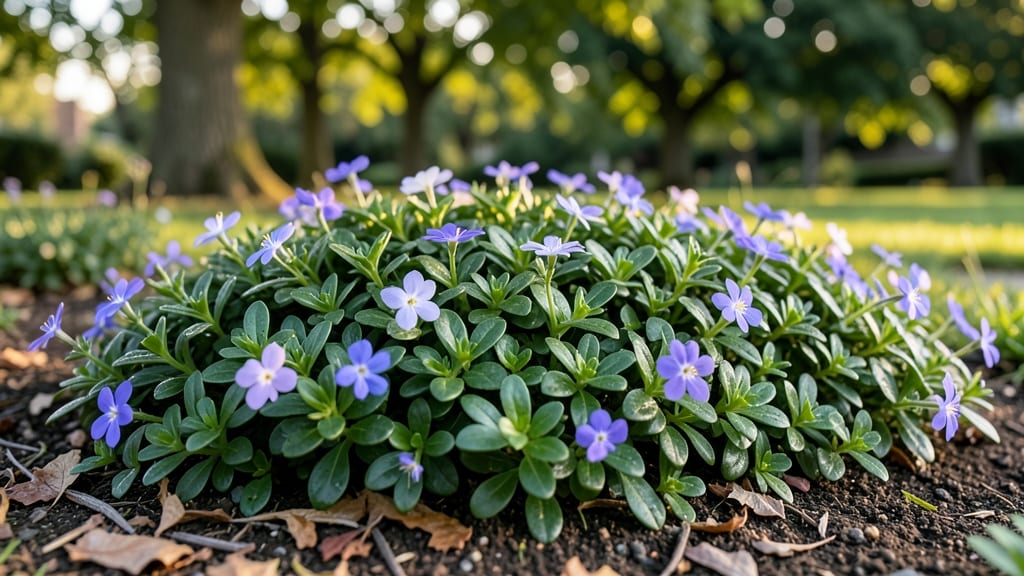
Vinca minor blooms in early spring 🌸, typically between March and April, but the exact timing depends on your climate and light conditions.
If you’ve ever wondered why your vinca minor isn’t blooming when you expect—or how to coax more vibrant flowers—timing is everything. This hardy ground cover thrives in shade but has strict rules about when and how it flowers.
In cooler zones like 6a, expect flowers to appear as soon as the soil warms, often by late March. Warmer climates may see blooms stretch into early summer, but too much heat can shorten the flowering window.
Here’s how to adjust light, water, and fertilizer to extend those cheerful blooms—and why partial shade is the secret to a longer display.
Vinca minor bloom time by US hardiness zones: when to expect flowers
Understanding vinca minor bloom time is key to enjoying its stunning lavender-blue flowers year after year. This shade-loving perennial typically blooms in early spring, but exact timing varies dramatically across USDA hardiness zones 3-10.
In colder zones, expect flowers as early as late April, while warmer climates may see blooms starting in February. Temperature fluctuations during dormancy also play a crucial role in determining whether your vinca will produce abundant flowers or sparse blooms.
The science behind vinca minor flowering involves a delicate balance of chilling hours and warmth exposure. After winter dormancy, plants need 40-60 days of cool temperatures (below 50°F) to trigger bud formation. Once warm weather arrives, consistent daytime highs above 65°F signal the plant to open its flowers.
In zones with mild winters, this transition happens earlier, while northern gardens may wait until May for peak blooming.
| USDA Zone | Typical Bloom Window | Key Temperature Trigger | Rebloom Potential | Notes |
|---|---|---|---|---|
| Zones 3-5 | Late April - Early June | 50°F+ for 40+ days | Low (one flush) | Cold winters delay blooms; needs protection |
| Zones 6-7 | March - May | 45°F+ for 50+ days | Moderate (with care) | Ideal for reblooming with pruning |
| Zones 8-9 | February - April | 40°F+ for 60+ days | High (continuous) | Mild winters allow year-round blooms |
| Zone 10 | January - March | 35°F+ for 70+ days | Very High | Tropical conditions extend bloom season |
In zones 3-5, vinca minor often produces one main bloom cycle in late spring, followed by minimal reblooming. The cold winters in these regions force the plant into deeper dormancy, requiring more chilling hours before bud formation.
I’ve found that mulching heavily in fall helps regulate soil temperatures, which can encourage slightly earlier blooms the following spring. For gardeners in these zones, early spring pruning (just after blooms fade) can stimulate a second, smaller flush of flowers by removing spent blooms and encouraging new growth.
Gardeners in zones 6-7 enjoy the best balance for vinca minor reblooming. With proper care, these plants can produce two distinct bloom cycles: the main spring display and a secondary flush in late summer.
The key is maintaining consistent moisture during dry spells and providing light fertilization after the first bloom cycle. In my zone 6 garden, I’ve seen vinca minor continue flowering into June when given these conditions, with some varieties even producing sporadic blooms through early fall.
Warmer climates in zones 8-10 offer the most extended bloom seasons for vinca minor. Here, the plant often begins flowering in winter and continues through spring, with some varieties producing year-round blooms in ideal conditions.
The lack of true winter dormancy means these plants focus energy on continuous flower production rather than rebuilding foliage. However, heat stress above 90°F can cause flowers to drop prematurely, so providing afternoon shade during peak summer months helps maintain vibrant blooms.
Temperature fluctuations during late winter can dramatically affect vinca minor bloom timing. Sudden warm spells that break dormancy too early can trick the plant into sending out tender new growth, only to be damaged by late frosts.
This phenomenon, called false spring, often results in delayed or reduced blooming. To prevent this, I recommend covering plants with frost cloth during unpredictable weather in zones 5-7.
In warmer zones, the opposite problem occurs: consistent warmth without proper chilling can prevent bud formation entirely, leading to bare stems.
For gardeners in zones 3-4, winter protection is critical for next year’s blooms. I’ve had success using straw mulch
How light conditions affect vinca minor flowering: sun vs. shade secrets
Vinca minor, or periwinkle, is famous for its shade tolerance, but did you know its flowering performance depends heavily on light exposure? Too much sun can scorch its delicate blooms, while full shade often delays or reduces flowering.
The sweet spot? Partial shade with 4-6 hours of filtered light triggers the most vibrant, continuous blooms.
In my own garden, I’ve noticed vinca minor planted under tree canopies or near north-facing walls produces dense clusters of flowers from late spring through summer. The key is understanding how different light conditions affect its internal clock—specifically, how light triggers photosynthesis and flowering hormones.
⚠️ Warning: Full Shade = Fewer Blooms
While vinca minor survives in full shade, it often skips flowering or produces sparse blooms. This happens because low light reduces energy production, leaving less for flower development. If your vinca minor is flowering poorly, check its light exposure—it may need just 2-3 more hours of filtered light daily.
💡 Pro Tip: Use sheer curtains or lattice screens to diffuse harsh sunlight while increasing light intensity.
For maximum blooms, aim for morning sun and afternoon shade. This mimics its natural woodland habitat, where it thrives under dappled sunlight. In my Zone 6 garden, vinca minor planted in a west-facing bed with afternoon shade blooms 30% more abundantly than those in full shade.
If you’re in a low-light garden, try these adjustments: Reflective surfaces like white walls or gravel can bounce extra light onto foliage, while pruning nearby trees in early spring opens up filtered light.
I’ve also had success using grow lights for 4-6 hours daily during winter months to maintain bloom cycles.
Overwatering in low-light conditions can further stress vinca minor, leading to fewer blooms. Always ensure soil drains well and reduce watering slightly if leaves appear yellow or mushy. A mulch layer of 2-3 inches helps regulate soil moisture without smothering roots.
Remember, vinca minor is adaptable, but its flowering potential hinges on light balance. Experiment with small adjustments—like moving plants or trimming branches—to find the optimal light spot in your garden. With the right conditions, you’ll enjoy months of vibrant blooms instead of sparse, occasional flowers. 🌿