
Blooming
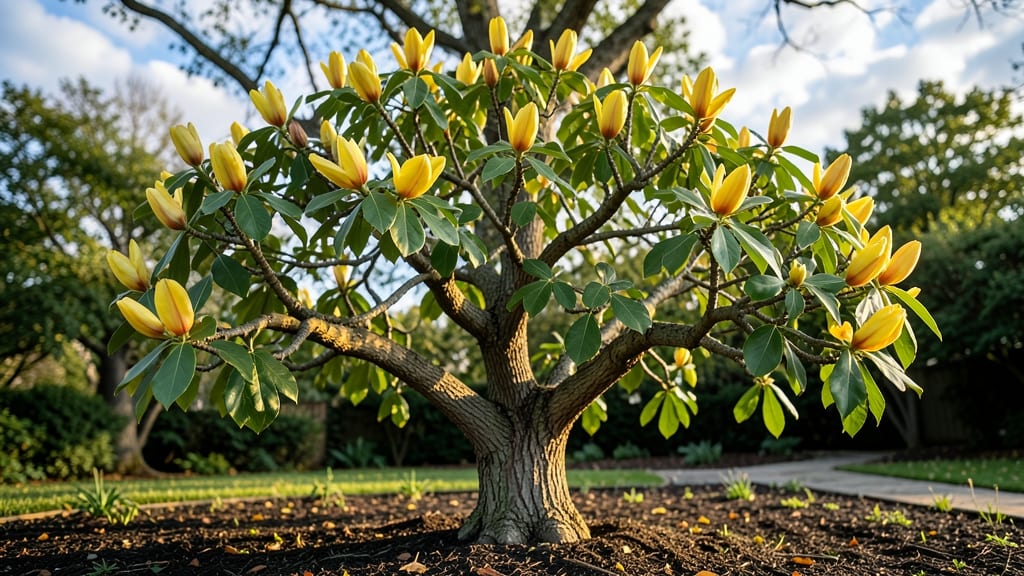
The tulip tree blooms in late spring, delivering its signature yellow-green flowers 🌳 that can reach 3 inches wide and last for about 2 weeks—but timing depends entirely on where you live.
Picture this: You’ve waited years for your 60-foot tulip tree to mature, only to blink and miss its annual show because you didn’t know when to look. That’s the risk when bloom windows shift from April in the South to May or June in cooler zones like 6a.
Climate, sunlight, and even soil health play a bigger role than you might think. A tree in full sun may bloom 2 weeks earlier than one in partial shade, while a late frost can cut the season short.
The good news? With the right care—like strategic pruning and consistent watering—you can nudge your tree toward a more predictable (and longer) display.
Below, I break down the exact bloom months by zone, how to spot early signs of flowers, and the 3 key adjustments that’ll help you extend that golden-green spectacle from 1 to 3 weeks—so you’re never scrambling to catch it again.
Tulip tree bloom time by USDA hardiness zone (with exact months)
The tulip tree (Liriodendron tulipifera) is a spring bloomer with a spectacular display of yellow-green tulip-shaped flowers. However, its exact bloom time shifts dramatically depending on your USDA hardiness zone and local climate.
In warmer zones, blooms may appear as early as March, while cooler northern regions might see flowers in late May. Understanding these variations ensures you won’t miss this iconic seasonal spectacle.
Climate plays a critical role in tulip tree bloom timing. Southern states (zones 7-9) often experience earlier blooms due to milder winters, while northern states (zones 4-6) may face delayed flowering from late frosts.
Additionally, sunlight exposure—whether full sun or partial shade—can influence bloom intensity and timing. Let’s break down the exact months for each zone to help you plan your garden viewing schedule.
| USDA Zone | Early Bloom | Peak Bloom | Late Bloom | Notes |
|---|---|---|---|---|
| Zone 4 | Late May | Early June | Mid-June | Late frosts delay blooms; full sun speeds up flowering. |
| Zone 5 | Mid-May | Late May | Early June | Partial shade may delay blooms by 1-2 weeks. |
| Zone 6 | Early May | Mid-May | Late May | Ideal for consistent blooms; drought-tolerant once established. |
| Zone 7 | Late April | Early May | Mid-May | Warmer winters lead to earlier blooms; full sun enhances vibrancy. |
| Zone 8 | Mid-April | Late April | Early May | Partial shade may reduce bloom intensity but not timing. |
| Zone 9 | Early March | Mid-March | Late March | Mild winters allow earliest blooms; prune lightly to encourage new growth. |
In Zone 4, where winters are harsh, tulip trees often bloom late May to early June. This delay is due to the tree’s need to wait for consistent warm temperatures above 50°F (10°C).
If you’re in Zone 5 or 6, expect blooms to arrive 1-2 weeks earlier, typically from mid-May to late May. These zones offer a balanced climate that aligns well with the tree’s natural flowering cycle.
For gardeners in Zones 7-9, the show starts much earlier. In Zone 7, blooms appear in late April, while
How to predict your tulip tree’s bloom time (and extend its flowering season)
Predicting when your tulip tree (Liriodendron tulipifera) will burst into bloom is easier than you think—once you know the key signs and care adjustments. Young trees typically bloom between ages 5 and 10, but mature specimens can flower as early as spring’s first warm spell.
The secret lies in understanding your tree’s maturity stage, local climate, and how you nurture it year-round.
For gardeners in USDA zones 4-9, bloom timing shifts dramatically. Northern growers may see flowers in late April to May, while Southern gardeners often enjoy them as early as March.
The difference? A combination of winter chill hours and spring warmth. Even a 10°F temperature swing can delay or advance blooms by weeks—so microclimate matters just as much as zone.
If your tulip tree isn’t blooming yet, late frosts might be the culprit. Protect emerging buds with a lightweight frost cloth or create a windbreak using evergreens. Even a 5 mph wind reduction can shield flowers from 32°F damage.
Mulch the base with 3-4 inches of wood chips to insulate roots and encourage consistent flowering.
For longer bloom seasons, time your fertilizer applications precisely. A second light feeding in early June supports flower development for next year’s blooms. Pair this with consistent morning watering—tulip trees need 1-2 inches of water weekly during dry spells. Overwatering? That’s just as harmful as drought stress.
Pro tip: Track your tree’s bloom history for 3 years to spot patterns. If blooms arrive 2 weeks earlier each year, your tree is thriving! Adjust care accordingly—mature trees (30+ feet tall) often bloom 10-14 days earlier than younger counterparts due to established root systems.
With these strategies, you’ll turn your tulip tree into a reliable spring showstopper—year after year. The key? Patience, precision, and protection from Mother Nature’s whims. Happy gardening! 🌳