
Blooming
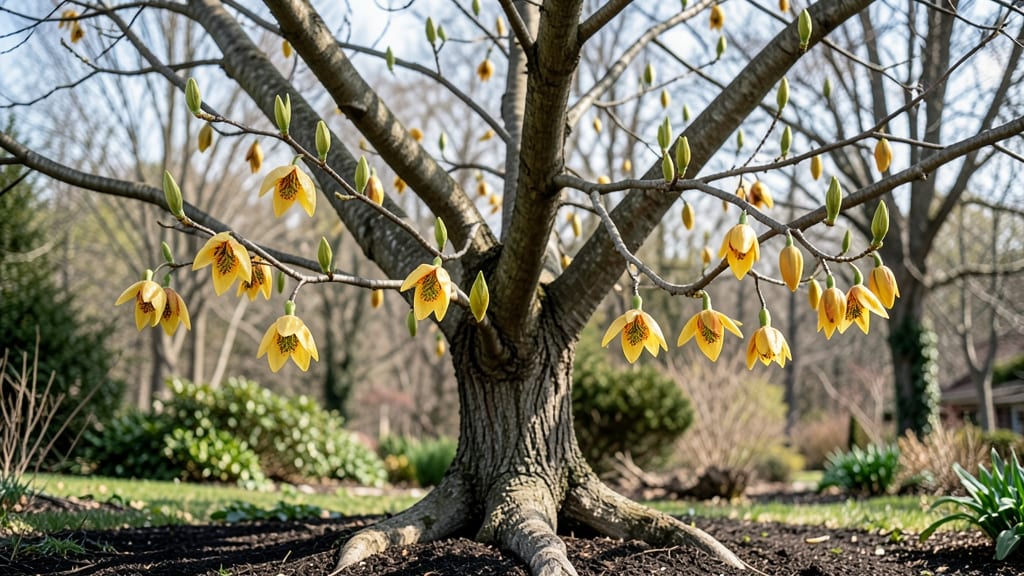
The tulip poplar bloom time is a breathtaking sight 🌳—those golden tulip-shaped flowers light up spring gardens, but their exact timing can leave you guessing.
If you’ve ever wondered when those stunning tulip poplar flowers will finally appear—or why they seem to bloom at different times each year—you’re not alone. This fast-growing tree dazzles with its golden blooms, but timing is everything for gardeners, landscapers, and nature lovers alike.
In most regions, tulip poplars bloom between late spring and early summer, but climate and tree age play huge roles. Southern states often see flowers as early as April, while northern areas might wait until June.
Understanding these variations helps you plan pruning, pest control, and even when to enjoy their fragrant beauty.
Below, I’ll break down the seasonal timeline by region, explain why bloom times shift yearly, and share tips to encourage reliable blooms every spring. Whether you’re planting a young sapling or admiring a mature giant, knowing when to expect those iconic flowers makes all the difference.
When do tulip poplars bloom? Seasonal timeline by region
The tulip poplar (Liriodendron tulipifera) is one of nature’s most spectacular spring performers, but its bloom timing varies dramatically depending on where you live.
In USDA zones 3-9, these trees typically burst into bloom between late April and early June, but urban heat islands and microclimates can shift those windows by weeks.
Understanding your region’s average last frost date and local climate patterns is key to predicting when those iconic yellow tulip-shaped flowers will appear.
Southern gardeners in zones 7-9 often see tulip poplars bloom as early as March, sometimes even February in mild winters. Meanwhile, northern growers in zones 3-6 may wait until May or June for the show to begin.
The difference comes down to chilling requirements and warmth triggers—these trees need a period of winter dormancy followed by consistent daytime temperatures above 50°F (10°C) to push buds open.
Here’s how bloom timing breaks down across the country, including early, peak, and late windows for each zone:
| USDA Zone | Early Bloom | Peak Bloom | Late Bloom | Regional Notes |
|---|---|---|---|---|
| Zones 3-4 | Mid-May | Late May - Early June | Mid-June | Coldest regions; blooms delayed by late frosts. Urban areas may bloom 1-2 weeks earlier. |
| Zones 5-6 | Early May | Late May - Early June | Mid-June | Moderate climate; consistent timing but vulnerable to late spring freezes. |
| Zones 7-8 | Late April | Early May - Mid-May | Early June | Early bloomers; heat waves can shorten bloom duration in urban areas. |
| Zones 9 | March | April - Early May | Mid-May | Longest bloom season; may rebloom lightly in fall with warm spells. |
🌱 Note: Urban trees often bloom 1-2 weeks earlier than rural counterparts due to heat island effect.
If you’re in the South (zones 7-9), you might catch early bloomers as soon as March, especially in coastal areas where mild winters dominate.
For example, Atlanta, GA (zone 7b) typically sees peak blooms in early May, while Charleston, SC (zone 8a) can have flowers as early as late April. These southern trees often enjoy a longer bloom window—sometimes up to 6 weeks—because their growing season starts earlier.
In contrast, northern zones (3-6) like Chicago (zone 5) or Boston (zone 6) usually wait until late May or early June. A late frost after buds swell can be devastating—these trees are particularly sensitive to freeze damage during bloom.
I’ve seen young tulip poplars in zone 5 lose nearly 50% of their buds after a 28°F (-2°C) dip in April, delaying the full display by weeks.
Urban vs. rural settings also play a role. City trees often bloom earlier because concrete and asphalt absorb and radiate heat, creating microclimates that mimic southern conditions.
For instance, a tulip poplar in downtown Dallas (zone 8a) might bloom in late April, while one in the surrounding rural countryside could wait until early May.
If you’re planning a spring garden party around these trees, check local weather patterns for the past 5 years to predict timing more accurately.
Another factor affecting bloom time is the tree’s age and maturity. Young tulip poplars—under 10 years old—may produce only a few scattered flowers, while mature specimens (20+ years) put on a spectacular show with hundreds of blooms.
I planted a 3-year-old tulip poplar in my zone 6 garden last spring, and it only had 12 blooms compared to my neighbor’s 50-year-old tree, which covered its branches with thousands of flowers in early June.
For gardeners in transition zones (6-7), like Nashville, TN or Washington, D.C., bloom timing can be particularly unpredictable. These areas experience variable winters—some years with heavy snow cover, others with mild, wet conditions.
A cold winter with prolonged chilling (below 40°F/4°C for 600+ hours) actually encourages better blooming the following spring, while a mild winter can confuse the tree’s internal clock
Why your tulip poplar’s bloom time might vary yearly
If your tulip poplar (Liriodendron tulipifera) seems to play hide-and-seek with its blooms each year, you’re not alone. These trees are famously unpredictable, and their golden tulip-shaped flowers can appear at wildly different times—even from one year to the next.
Understanding why this happens helps you set realistic expectations and adjust your care routine accordingly.
The bloom timing of tulip poplars is influenced by a mix of natural and human-made factors. From tree age to soil conditions, even small changes in your landscape can shift when—or if—those iconic flowers make their appearance.
For example, a young tree might bloom later than a mature one, while drought stress can delay blooms entirely.
⚠️ callout warning ⚠️ Common Mistakes That Delay Tulip Poplar Blooms
- Over-pruning in late winter or early spring removes next year’s flower buds before they form.
- Poor drainage causes root stress, diverting energy away from blooming.
- Excessive nitrogen promotes leafy growth but reduces flower production.
- Planting in shade (less than 6 hours of sun) weakens the tree’s ability to bloom reliably.
- Ignoring seasonal water needs—especially during drought—can stunt flower development.
🌳
One of the biggest factors is tree maturity. Tulip poplars typically don’t bloom until they’re 10–15 years old, though some may start as early as 5 years.
If your tree is young, patience is key—its first flowers might appear sporadically before settling into a pattern. Older trees, on the other hand, may bloom more consistently but can still skip years if stressed.
Sunlight exposure plays a critical role too. These trees thrive in full sun (6+ hours daily), but even partial shade can delay or reduce blooming. If your tulip poplar is tucked under nearby trees or buildings, it might struggle to produce flowers until you improve its light conditions. Morning sun is especially beneficial for encouraging blooms.
Environmental stressors like drought or extreme heat can also throw off bloom timing. Tulip poplars are drought-tolerant once established, but prolonged dry spells force them to prioritize survival over flowering.
Similarly, late frosts or unseasonable cold snaps can damage buds before they open, leading to sparse or delayed blooms the following year.
Finally, soil health matters more than many gardeners realize. Compacted, nutrient-poor, or waterlogged soil stresses roots, reducing the tree’s energy for blooming. Amending your soil with organic matter (like compost) and ensuring proper drainage can help your tulip poplar bounce back with more reliable flowers.
Regular mulching also supports steady moisture and root health.