
Blooming
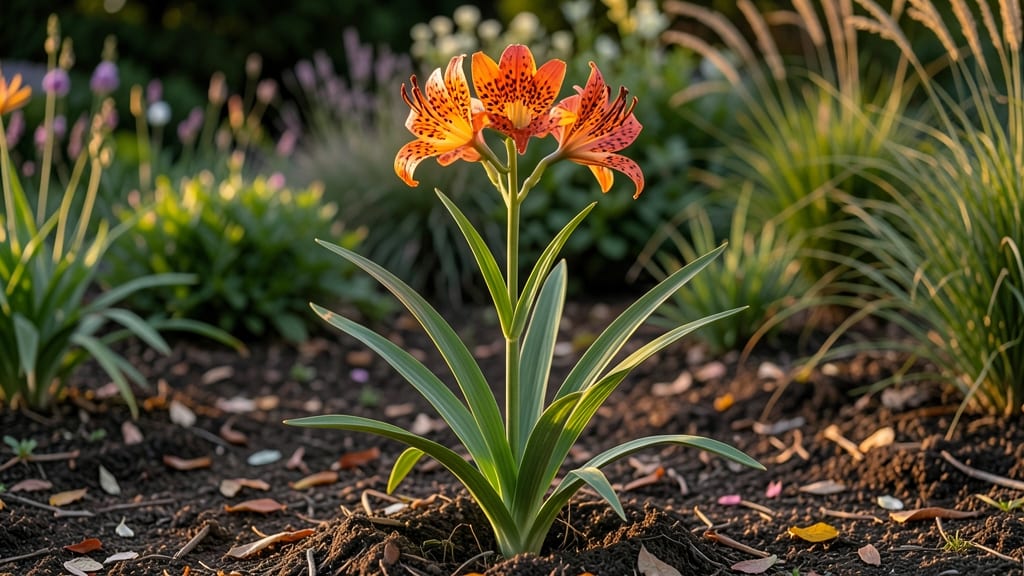
Tiger lilies bloom in mid-to-late summer 🌸, triggered by consistent heat and long daylight hours — but the exact timing depends on your zone and variety.
If you’ve ever wondered why your tiger lilies bloom at different times each year—or why some varieties refuse to flower at all—heat exposure is the secret trigger. Understanding their heat-dependent schedule can mean the difference between a showstopping summer display and disappointing bare stems.
In USDA Zone 6a, like much of the Midwest, expect blooms from July through September, while warmer zones (7-9) may see earlier flowers as soon as June. The key? Planting bulbs in April–May after the last frost ensures they’ve established roots before the heat kicks in.
Below, I’ll break down how to time your tiger lilies for peak blooms, troubleshoot delayed flowers, and keep those dramatic orange-and-black blooms coming back year after year.
When tiger lilies bloom: heat-triggered timeline by variety
Tiger lilies (Lilium spp.) are famous for their dramatic, spotted blooms—but their bloom timing depends entirely on soil and air temperatures. Unlike many perennials, these heat-lovers won’t bud until the ground warms to 60°F (15°C) consistently.
In cooler zones, that could mean July blooms, while in warmer climates, they’ll often flower as early as June. The variety you choose directly impacts when—and whether—your lilies will reward you with their signature orange-and-black trumpets.
Most tiger lilies thrive in USDA zones 3-9, but their heat requirements vary by species. For example, Lilium lancifolium (the hardy Turk’s cap lily) often blooms 2-3 weeks earlier than Lilium tigrinum (the classic tiger lily), thanks to its tolerance for cooler soils.
Understanding these differences helps you plan your garden’s color timeline and troubleshoot non-blooming plants. Let’s break down the heat-triggered schedules for the most popular varieties and how to align them with your local climate.
| Variety | Bloom Time (USDA 6a) | Soil Temp Trigger (°F) | USDA Zones | Heat Tolerance |
|---|---|---|---|---|
| Lilium lancifolium (Turk’s Cap) | Late June–Early July | 55–60°F (13–15°C) | 3–9 | High (early bloomer) |
| Lilium tigrinum (Classic Tiger Lily) | Mid–Late July | 60–65°F (15–18°C) | 4–9 | Moderate (needs warmth) |
| Lilium dauricum (Dwarf Tiger Lily) | Early–Mid July | 50–55°F (10–13°C) | 3–8 | Low (cool-climate adapted) |
| Lilium regale (Regal Lily) | Late July–August | 65–70°F (18–21°C) | 4–9 | High (late-season heat lover) |
| Lilium × testaceum (Orange Tiger Lily) | Mid–Late July | 60–62°F (15–17°C) | 3–8 | Moderate (versatile) |
If you’re in USDA zone 5 or cooler, focus on Lilium lancifolium or Lilium dauricum—they’ll often bloom 3–4 weeks earlier than their heat-loving cousins. In zones 7–9, however, Lilium regale and Lilium tigrinum may start flowering as early as June if planted in well-draining, warm soils.
The key is monitoring soil temperature at 4-inch depth; most tiger lilies won’t initiate buds until it consistently stays above their trigger threshold.
Pro tip: Use a soil thermometer to track temperatures in spring. If your soil stays below 55°F (13°C) past May 15th, your lilies may skip blooming entirely that year. In cooler zones, black plastic mulch can raise soil temps by 5–10°F, coaxing earlier blooms.
Conversely, in zone 9+, shade cloth during peak summer can delay blooming until fall, extending your garden’s seasonal interest.
Another critical factor is water temperature. Tiger lilies absorb
How to time tiger lily blooms: seasonal heat strategies
Tiger lilies (Lilium spp.) are heat-sensitive divas—they won’t bloom unless soil temperatures hit 60°F+ consistently. By mastering heat manipulation, you can coax earlier blooms in cooler zones or extend their summer display.
The key lies in three strategies: mulching, watering depth, and planting depth. These tweaks create ideal soil conditions that trigger flowering cues.
For example, in USDA Zone 5, mulching with black plastic can raise soil temps by 5-8°F, pushing blooms 2-3 weeks earlier. Meanwhile, in Zone 9, strategic shade cloth during afternoon heatwaves prevents premature bud drop. Let’s break down the exact techniques that work.
- 🌱 Mulch with black plastic in spring to absorb sunlight and raise soil temps 5-8°F faster.
- 💧 Water deeply at dusk to retain heat in soil overnight, mimicking tropical conditions.
- 🌿 Plant bulbs 4-5 inches deep (shallower than standard) to expose roots to warmth sooner.
- ☀️ Use 30% shade cloth in Zone 9+ to prevent afternoon heat stress on buds.
- ✂️ Deadhead spent blooms by mid-August to redirect energy to next year’s buds.
Your watering schedule is just as critical as mulching. Tiger lilies need deep, infrequent watering—think 1-2 inches per week—delivered at dusk to maximize soil heat retention.
Shallow watering cools the roots too quickly, delaying bloom signals. For potted tiger lilies, use black containers to absorb sunlight and warm the roots faster.
Another pro tip: Adjust planting depth based on your climate. In cooler zones (4-6), plant bulbs 4-5 inches deep to expose roots to warmth sooner. In hotter zones (7-9), bury them 6-8 inches deep to protect buds from midday sun scorch.
This simple tweak can shift bloom times by 10-14 days.
For gardeners in transition zones (6-7), combine strategies: mulch with straw in early spring to warm soil, then switch to black plastic by mid-May to maintain heat. Pair this with morning watering (not evening) to reduce fungal risks while keeping roots warm.
Monitor soil temps with a thermometer—aim for 65-75°F at 6-inch depth for optimal blooming.
Finally, deadheading isn’t just about looks—it’s a heat hack. Remove faded blooms by mid-August to prevent seed production and force the plant to focus on next year’s buds. This extends your current season’s display by 2-3 weeks and ensures stronger blooms the following year.
Pair this with a light fertilizer (5-10-10) in early fall to boost bulb reserves for spring.