
Blooming
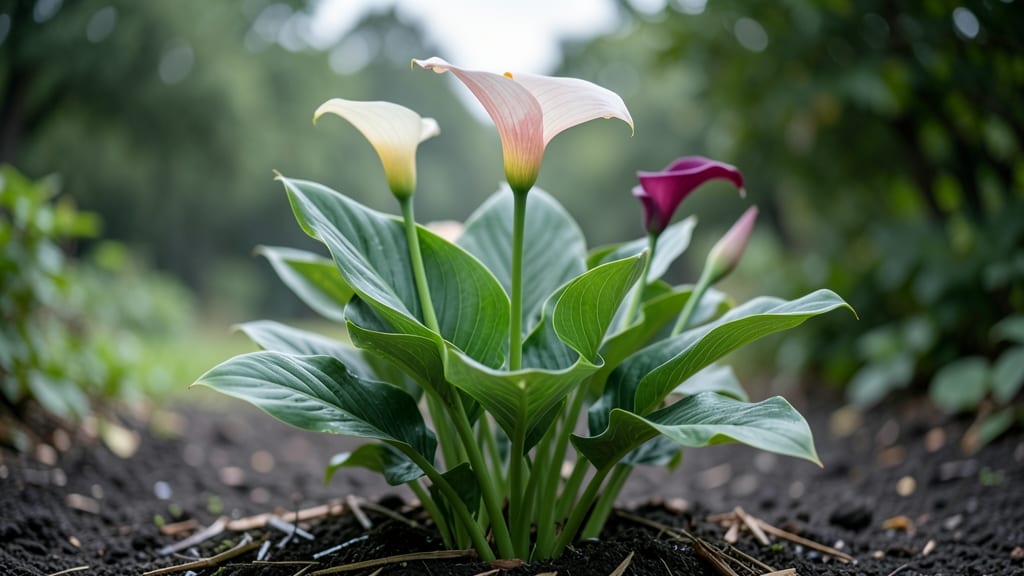
The calla lilies are in bloom again, and their velvety purple spikes feel like nature’s secret handshake. 💜 I’ve learned that their dramatic return isn’t luck—it’s a rhythm of patience, soil, and just the right amount of neglect.
These plants reward you for trusting their timing, emerging each season with the same quiet confidence. They thrive in partial shade where others wilt, their broad leaves drinking in morning sun before retreating from afternoon heat. The key?
A well-draining soil mix with a splash of compost, and watering that keeps their roots happy but never soggy. Last year, I extended their bloom by deadheading spent spikes and fertilizing lightly—just enough to coax another wave of those striking blooms.
By late summer, you’ll see them winding down, but don’t pull them up yet. Their rhizomes store energy for next year’s show. A light mulch of straw or leaves keeps them cozy through winter, and by spring, they’ll push through the soil like clockwork.
Perfect for shady borders, woodland gardens, or even containers on patios. Here’s how to keep them coming back—year after year, with less effort and more drama.
📚 In This Guide
- What you need
- Instructions
- Tips and common mistakes
- Wrapping up and next steps
What you need
- ● Calla Lily Tubers: 3–5 healthy, dormant tubers per plant (ensure they’re firm, free of soft spots, and show signs of new growth).
- ● Well-Draining Potting Mix: 1–2 bags (1–2 cubic feet each) of high-quality, peat-based or coco coir mix (amend with perlite or sand for aeration).
- ● Containers or Garden Beds: Containers: 12–18" deep pots with drainage holes (1 per tuber).
- ● Garden Beds: Sunlit, sheltered spot with loose, fertile soil (amend with compost if needed).
- ● Slow-Release Fertilizer: 1 bag (10–15 lbs) of balanced, organic fertilizer (10-10-10 or similar).
- ● Mulch: 1–2 bags of shredded bark or straw (for moisture retention and insulation).
- ● Watering Can or Hose: With a gentle spray nozzle for hydration.
- ● Garden Trowel or Spade: For planting and soil prep.
- ● Pruning Shears: To trim dead foliage before replanting.
- ● Gloves: Heavy-duty for handling tubers and soil.
- ○ pH Test Kit (Optional): To ensure soil pH is slightly acidic (6.0–7.0).
- ○ Shade Cloth (Optional):strong> For newly planted tubers if your climate has intense afternoon sun.
How to keep calla lilies blooming year after year
Here’s how I coax those fragrant purple spikes back every season—no guesswork, just reliable steps.
🌱 Step 1: Understand Your Calla Lily’s Light and Soil Needs
Calla lilies thrive in partial shade—think 4-6 hours of morning sun followed by dappled afternoon light. Too much direct sun scorches their leaves, while too little shade stunts blooms. I plant mine where they get filtered sunlight through taller trees or on the east side of my patio.
Soil should be rich, moist, and well-draining. Amend heavy clay with 2-3 inches of compost or peat moss to improve aeration. Callas hate soggy roots, so if your soil drains poorly, raise them slightly in a 6-inch-deep mound or use containers with drainage holes. The key is keeping roots consistently damp but never waterlogged.
☀️ Step 2: Water and Fertilize for Continuous Blooms
Water calla lilies deeply 1-2 times per week, adjusting for heat—more in summer, less in cooler months. You’ll know they’re thirsty when the soil feels dry 1-2 inches below the surface. Overwatering causes yellow leaves, while underwatering makes blooms wilt prematurely.
Feed them every 4-6 weeks during active growth (spring through fall) with a balanced liquid fertilizer (10-10-10). I mix it at half-strength to avoid burning their roots. Stop fertilizing in late summer to let them prepare for dormancy. The secret to repeat blooms? Consistent moisture and moderate feeding—no heavy-handedness.
✂️ Step 3: Prune and Support for Next Year’s Growth
After blooms fade, cut back the flower stalks to the base with clean, sharp shears. This redirects energy to the rhizomes (underground stems) instead of seed production. Leave the leaves until they yellow naturally—this ensures the plant stores nutrients for next season.
In fall, when foliage dies back, reduce watering but don’t let the soil dry out completely. Mulch with 2-3 inches of straw or shredded leaves to insulate the rhizomes through winter. If you’re in a cold climate, cover the area with burlap or a thick layer of leaves to protect them from freezing.
🌿 Step 4: Divide and Replant Every 3-4 Years
Calla lilies multiply underground, and overcrowding reduces blooms. In early spring, dig up the rhizomes and separate them into 3-4 inch sections, ensuring each has at least one growth bud. Replant them 6-8 inches apart in the same rich soil.
This is the moment that matters: Don’t rush it. Wait until the soil warms to 60°F before replanting, or the new divisions may rot. Water them in well and keep the soil moist until new shoots appear. Dividing revitalizes the plants and guarantees bigger, more abundant blooms the following year.
⏰ Step 5: Watch for Pests and Diseases Early
Calla lilies are generally tough, but slugs and snails love their tender leaves. I set out beer traps (a shallow dish of beer buried at soil level) near the plants to catch them overnight. For fungal issues like leaf spot, remove affected leaves immediately and apply neem oil as a preventive spray every 2-3 weeks.
Real talk: If your callas stop blooming, it’s usually too much shade, poor soil, or overcrowding. Adjust one thing at a time—more light, richer soil, or dividing—and you’ll see those purple spikes return reliably. With these steps, your callas will reward you with year-after-year drama and fragrance.
Tips & tricks for keeping calla lilies blooming year after year
When it comes to coaxing those fragrant purple spikes back season after season, these are the game-changing details that make all the difference.
Lighting Strategy: The 4-6 hours of morning sun is non-negotiable—this is when the plants get their energy boost. I've found that positioning them near a north-facing window or under a sheer curtain works wonders for indoor callas. If you notice leaves turning yellow, it's a sign they're getting too much direct afternoon sun. Here's what I learned: move them to a spot where they get bright but indirect light after 10 AM.
Soil Science: That 6-inch-deep mound isn't just for show—it's a lifesaver for areas with heavy clay soil. I mix in 2-3 inches of compost right into the mound to create that perfect well-draining environment. Pro tip: If you're using containers, make sure they have drainage holes AND a saucer underneath to catch excess water. The key is that soggy roots are the #1 enemy of happy callas.
Watering Wisdom: Those 1-2 deep waterings per week are crucial, but timing matters just as much. I water mine in the morning so the leaves have all day to dry out—this prevents fungal issues. And here's a trick I picked up: stick your finger 1-2 inches into the soil. If it feels dry at that depth, it's time to water. If it's still damp, wait another day. This simple check prevents both overwatering and underwatering problems.
Fertilizer Timing: The 4-6 week feeding schedule is perfect, but I've found that applying fertilizer right after a deep watering helps prevent root burn. I also like to use a slow-release granular fertilizer in spring instead of liquid—it feeds the plants consistently without the risk of overfeeding. And remember to stop fertilizing in late summer to let those rhizomes prepare for dormancy naturally.
Pro Tips for The Calla Lilies Are In Bloom Again
- When it comes to coaxing those fragrant purple spikes back season after season, these are the game-changing details that make all the difference.
- Lighting Strategy: The 4-6 hours of morning sun is non-negotiable—this is when the plants get their energy boost.
- Soil Science: That 6-inch-deep mound isn't just for show—it's a lifesaver for areas with heavy clay soil.
Frequently asked questions
about calla lilies blooming again—because every gardener deserves clarity! Whether you're a first-timer or a seasoned plant parent, these answers will help you enjoy those stunning purple spikes all season long.When do calla lilies usually bloom again after their first cycle?
Calla lilies typically bloom again in late spring to early summer, about 6–8 weeks after their first flush. With proper care (like dividing tubers every 2–3 years), they’ll reward you with multiple blooming cycles per season. If they’re late, check for adequate sunlight (6+ hours daily) and moisture.
Why aren’t my calla lilies blooming a second time this year?
No blooms? Don’t panic! Common culprits include:
- Overcrowded tubers: Divide clumps if they’re too dense.
- Too much nitrogen: Switch to a low-N, high-P fertilizer (like 5-10-10) to encourage flowers.
- Stress from drought or heat: Keep soil consistently moist (but not soggy) and mulch.
- Lack of dormancy: In fall, let foliage yellow naturally before trimming.
Give them a month of recovery, then reassess!
Can I grow calla lilies in containers, or do they need garden beds?
Callas thrive in large containers (12"+ diameter) with drainage holes. Use a well-draining potting mix (add perlite or sand) and a slow-release fertilizer. Move pots to bright, indirect light in summer and dormant tubers indoors (50–60°F) in winter. Pro tip: Elevate pots to prevent root rot!
Are there calla lily varieties that bloom more than once?
Yes! While Zantedeschia aethiopica (white callas) often bloom just once, these reblooming varieties deliver multiple cycles:
- ‘Black Star’: Deep purple-black blooms; thrives in heat.
- ‘Pink Fantasy’: Soft pink spikes; compact and prolific.
- ‘Schwarzwalder’: Classic purple; reliable rebloomer.
For year-round color, plant different varieties with staggered bloom times!
How do I protect calla lilies from pests or diseases?
Callas are generally low-maintenance, but watch for:
- Thrips or aphids: Spray with neem oil or insecticidal soap.
- Fungal issues (like leaf spot): Avoid overwatering; use fungicide if needed.
- Slugs/snails: Set out beer traps or diatomaceous earth.
For prevention, ensure good airflow and sterilize tools between plants.
Wrapping up and next steps
As the calla lilies grace your garden once more with their elegant purple spikes, you’ve unlocked a timeless cycle of beauty and renewal. Their ability to return year after year isn’t just luck—it’s the magic of thoughtful care and patience.
Whether you’re a seasoned gardener or a newbie, this bloom reminds us that small efforts yield stunning rewards.
🌱 Next steps: Snap a photo of your thriving lilies, share the joy with fellow plant lovers, or plan your next gardening project—maybe even experimenting with new varieties! The garden’s magic continues beyond the bloom.