
Blooming
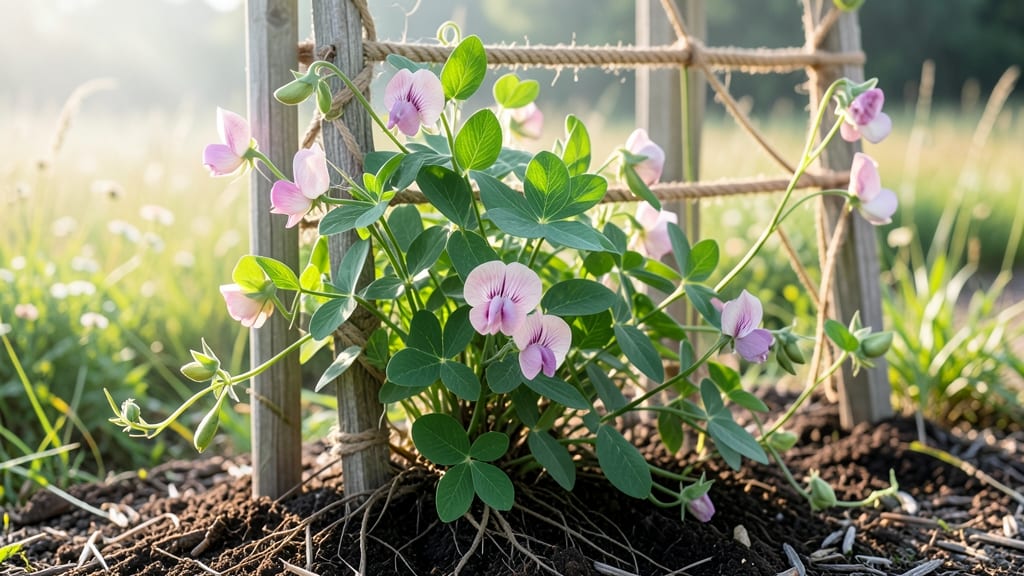
Fastest sweet pea varieties that bloom in under 8 weeks
If you're eager to fill your garden with fragrant sweet peas as quickly as possible, choosing the right fast-blooming varieties is key. Some varieties can burst into bloom in just 60-75 days, making them perfect for early-season gardens.
The secret lies in selecting dwarf or compact types that mature faster than their taller cousins.
For the fastest results, focus on varieties bred for quick flowering and compact growth. These include 'Cupani', 'Tom Thumb', and 'Dwarf Blue', all of which can produce stunning blooms in under 8 weeks under ideal conditions.
Let’s explore which ones deliver the fastest color and fragrance to your garden.
Why speed matters: Early blooms attract pollinators, extend your garden’s visual appeal, and give you a head start on harvesting fragrant flowers for bouquets. With the right variety and care, you can enjoy sweet pea blooms as early as late spring—sometimes even earlier!
| Variety | Bloom Time (Days) | Height | Color | Best Planting Time |
|---|---|---|---|---|
| 'Cupani' | 60-70 | 2-3 ft | Pink/White | Early spring (Feb-Mar) |
| 'Tom Thumb' | 65-75 | 1-2 ft | Purple/Red | Late winter (Jan-Feb) |
| 'Dwarf Blue' | 70-75 | 2-3 ft | Blue/White | Early spring (Feb-Mar) |
| 'Little Lilac' | 60-65 | 1.5-2 ft | Lilac/Pink | Late winter (Jan-Feb) |
| 'Early Purple' | 70-75 | 3-4 ft | Purple | Early spring (Feb-Mar) |
🌸 Pro Tip: For even faster blooms, plant seeds in well-draining soil with compost and provide support trellises early.
Among these varieties, 'Cupani' and 'Little Lilac' are the fastest, often blooming in just 60 days when given optimal growing conditions. Their compact sizes also make them ideal for small gardens or container growing, where space is limited but you still want a burst of color.
To maximize speed, plant these varieties as early as possible in your growing season. In USDA Zone 6a, aim for late winter or early spring plantings (February-March) to ensure blooms appear before summer heat sets in.
If you live in a cooler climate, you can even start seeds indoors 8-10 weeks before the last frost date.
Another key factor is soil temperature. Sweet peas germinate best in soil that’s at least 50°F (10°C). Use a seedling heat mat if your spring soil is cooler, as this can shave off critical days from your bloom timeline.
Warm soil speeds up germination, giving your plants a head start toward flowering.
Don’t overlook the power of sunlight either. While sweet peas tolerate partial shade, they bloom most prolifically with 6+ hours of direct sun daily. Position your trellis or support structure in the sunniest spot of your garden to encourage faster growth and earlier blooms.
A south-facing wall or fence is ideal for maximizing sunlight exposure.
Finally, consistent moisture is crucial during the first 6 weeks of growth. Keep the soil evenly moist but not waterlogged, as drought stress can delay flowering. Mulch around the base of plants to retain moisture and regulate soil temperature, creating the perfect environment for rapid growth.
With the right variety and these care tips, you can enjoy fragrant sweet pea blooms in as little as <
How to speed up sweet pea bloom time with proven techniques
Sweet peas are famous for their delicate blooms and heavenly fragrance, but their bloom time can feel frustratingly slow if you're not using the right techniques. With the right approach, you can accelerate flowering by 2-4 weeks—turning your garden into a fragrant paradise faster than ever.
The secret lies in optimizing their growing conditions from day one.
Start by ensuring your soil is nutrient-rich and well-draining. Sweet peas thrive in loose, fertile soil with a pH between 6.0 and 7.5. Amend heavy clay soil with compost or aged manure before planting to give roots room to breathe and absorb nutrients efficiently.
This simple step alone can cut down bloom time by 10-15 days by promoting stronger root development.
- 🌞 Maximize sunlight with 6+ hours daily—use reflective surfaces or trellises near sunny walls.
- 💧 Water deeply in the morning to prevent stress—1 inch weekly during active growth.
- ✂️ Prune regularly by removing spent blooms to redirect energy to new flowers.
- 🌱 Use a balanced fertilizer (5-10-10) every 4-6 weeks starting in spring.
- 🌿 Support vines early with trellises to reduce energy wasted on sprawling.
Sunlight is another critical factor—full sun exposure (6+ hours daily) is non-negotiable for fast blooming. If your garden lacks direct sunlight, consider placing a reflective surface (like white gravel or a mirror) nearby to bounce extra light onto your plants.
This trick can make a noticeable difference, especially in partial-shade gardens. For container growers, position pots on a south-facing balcony or use grow lights for 12-14 hours daily.
Consistent watering schedules are often overlooked but make a huge difference. Sweet peas need 1 inch of water weekly, delivered directly to the soil (not leaves) to prevent fungal diseases.
Water in the early morning to reduce evaporation and give roots time to absorb moisture before the heat of the day. Mulching with straw or shredded leaves helps retain soil moisture and keeps roots cool, which speeds up overall plant vigor.
Pruning is the final piece of the puzzle. As soon as your sweet peas start flowering, deadhead spent blooms by pinching them off just above a set of leaves. This encourages the plant to produce more flowers instead of seed pods, extending the blooming season by 3-4 weeks.
For varieties like 'Cupani' or 'Tom Thumb,' regular pruning also keeps plants compact and bushier, making them more productive in small spaces.
For the fastest results, follow this seasonal timeline: Sow seeds 4-6 weeks before your last frost date (typically February-March in most zones). Use a cold frame or greenhouse to start seeds earlier if needed.
Once seedlings emerge, transplant them 12-18 inches apart with a sturdy trellis in place. With these techniques, you’ll see your first blooms in as little as 60-70 days—sometimes even earlier with ideal conditions!