
Blooming
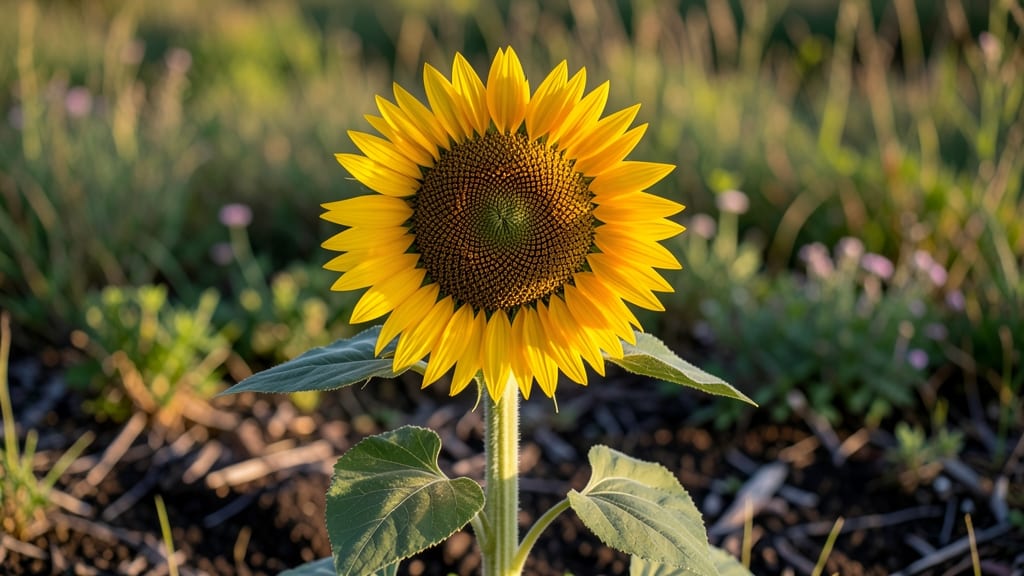
The sunflower bloom time can vary dramatically—sunflowers typically bloom in 50 to 100 days, but your planting window can shift that timeline depending on where you live.
Picture this: you plant your seeds in early spring, only to watch them struggle through cool soil and short days, delaying those golden blooms for weeks. Or maybe you live in a warmer zone and your sunflowers bolt too fast, skipping the showy flower stage entirely.
The right timing isn’t just about the calendar—it’s about understanding your climate’s unique rhythm.
In USDA Zone 6a, where many gardeners live, sunflowers typically bloom between July and September, but that window can expand or shrink based on variety, soil warmth, and even how much sunlight your garden gets.
Some dwarf varieties might flower in as little as 50 days, while giant varieties need nearly four months to reach their peak.
Below, I’ll break down exactly how to predict your sunflower bloom time, adjust your planting dates for faster results, and troubleshoot common delays—so you can enjoy those towering 🌻 faces right when you expect them.
Sunflower bloom time by USDA climate zones: what to expect
Sunflowers are one of the most rewarding annuals to grow, but their bloom time can vary dramatically depending on your USDA climate zone.
Whether you're in Zone 3 with short summers or Zone 11 with year-round warmth, understanding these timelines helps you plan for peak flowering and seed production. Let’s break down what to expect across the spectrum.
In cooler northern zones like Zones 3-5, sunflowers often need 90-120 days to reach full bloom, while southern zones such as Zones 8-11 can achieve the same in just 60-80 days.
This difference is due to longer daylight hours and warmer soil temperatures in the south. Choosing the right variety and planting time can shift your bloom window by weeks.
In Zones 3-4, where summers are short, focus on early-maturing varieties like 'Autumn Beauty' or 'Teddy Bear'. These sunflowers typically bloom in 90-120 days, meaning you’ll need to plant them as soon as the soil warms in late May to enjoy blooms by late July.
If you’re in Zone 5 or 6, you can push your planting window back to mid-May and still expect blooms by early July.
For gardeners in Zones 7-8, the growing season is long enough to accommodate taller varieties like 'Russian Giant', which can take 80-90 days to bloom. Planting in April ensures you’ll see those iconic golden faces by June or July.
These zones also benefit from succession planting—sow new seeds every 2-3 weeks to extend your bloom season until August.
Southern zones like 9-11 offer a unique advantage: year-round growing potential. In Zone 9, you can plant as early as February and enjoy blooms by April. Meanwhile, Zone 11 gardeners can grow sunflowers almost anytime, with dwarf varieties like 'Teddy Bear' blooming in just 50-70 days
How to adjust planting dates for faster sunflower blooms
Sunflowers are eager bloomers when given the right conditions, but planting too early or late can stretch out your bloom time. The key lies in understanding soil temperature triggers and climate-specific adjustments.
In cooler zones like USDA 3-5, waiting for soil to reach 50°F (10°C) ensures faster germination and growth. Meanwhile, warmer zones (7-11) can start seeds earlier, but heat-tolerant varieties like 'Autumn Beauty' handle summer planting better.
Succession planting is another trick to stagger bloom times across seasons. By sowing seeds every 2-3 weeks in spring, you create a continuous display of blooms from July through October.
This method works especially well in short-season climates where summer is fleeting. Pair it with cold-hardy varieties like 'Moulin Rouge' for earlier blooms in marginal zones.
- Test soil temperature with a soil thermometer—aim for 50-60°F (10-15°C) for optimal germination.
- Plant in blocks (not rows) for earlier pollination and faster bloom cycles in small gardens.
- Choose dwarf varieties like 'Teddy Bear' for faster maturity (50-60 days) in container gardens.
- Use black plastic mulch to warm soil 2-3°F faster and speed up growth in cool climates.
- Adjust watering: Deep soaks every 3-5 days prevent stress that delays blooming.
Heat tolerance is critical for extended-season blooms. In USDA zones 8-11, opt for varieties like 'ProCut' or 'Russian Giant' that thrive in 90°F+ temperatures. These varieties also handle drought better, reducing the risk of bolting or stunted growth.
If you're in a transition zone (6-7), consider shade cloth during peak summer to protect young plants.
Timing matters even more when dealing with short daylight hours. Sunflowers need 6-8 hours of sunlight daily, but northern latitudes may experience longer daylight in summer. Plant early varieties like 'Early Bird' (55 days to bloom) to capitalize on these conditions.
In southern climates, where days are shorter in winter, focus on fall planting for a holiday-season display.
Don’t overlook the power of succession planting in containers. Grow bush varieties like 'Moulin Rouge' in pots and replace spent plants with new seedlings every 4-6 weeks.
This creates a year-round bloom cycle in urban gardens where space is limited. Pair containers with heat-reflective surfaces (like white paint) to boost soil warmth and accelerate growth.
For marginal zones, combine strategies: use black plastic mulch to warm soil, plant cold-hardy varieties early, and protect seedlings with row covers until soil stabilizes. With these adjustments, you can shorten bloom time by 10-20 days and enjoy sunflowers earlier in the season.
The result? A garden bursting with golden joy weeks ahead of schedule! 🌻