
Blooming
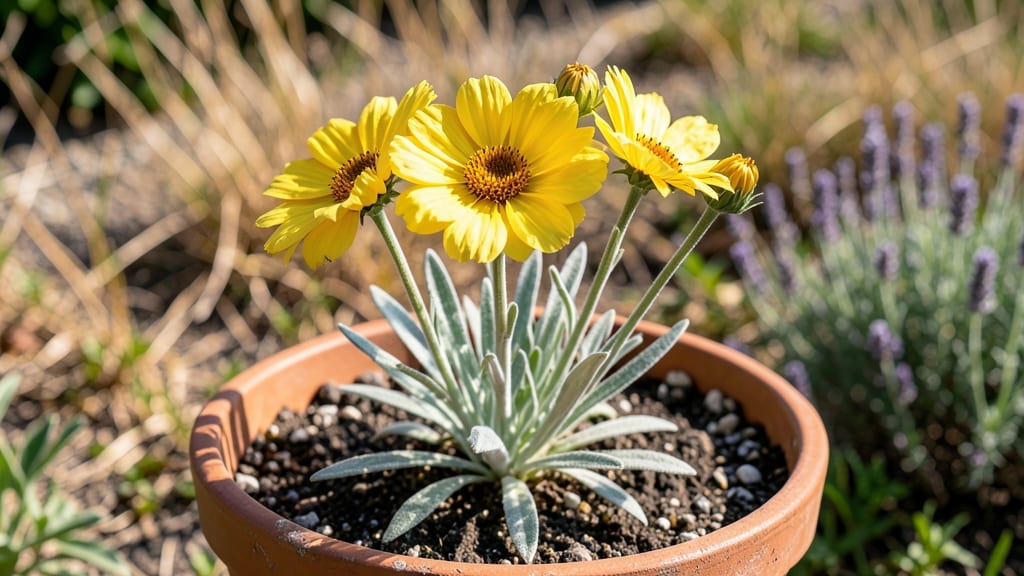
Strawflowers bloom at their best during the strawflower bloom time—from late summer through crisp fall—turning gardens into purple clouds that last long after most annuals have faded. 🌻 I’ve grown them for years, and their papery blooms—resembling dried flowers but just as vibrant—stay fresh for weeks, even after cutting.
The secret? They thrive in heat and don’t mind when frost nips at other plants. Most gardeners see their first buds in August, with peak blooms stretching into October, but zone and care make all the difference.
In cooler climates (zones 5-7), they may start later, while in warm zones (8-10), they can flower year-round with proper conditions. Sunlight is non-negotiable—6+ hours daily—and well-draining soil keeps roots happy without soggy roots.
To stretch their season, deadhead spent blooms and pinch back leggy stems in early spring. I’ve had mine rebloom in mild winters, though they’re not as prolific as their first flush. The key is balancing water—deep but infrequent—to avoid fungal issues that cut blooms short.
For year-round displays, treat them like perennials: plant in spring or fall, mulch lightly, and protect from heavy rain. Their drought tolerance makes them a low-maintenance star for cut arrangements too—just snip and enjoy the color long after other flowers have bowed out.
📚 In This Guide
- What you need
- Instructions
- Tips and common mistakes
- Wrapping up and next steps
What you need
- ● Strawflower seeds – Choose Helichrysum bracteatum varieties (e.g., 'Dwarf Purple', 'Mojave'). Start with 5–10 seeds for small pots or 20–30 seeds for larger garden beds.
- ● Well-draining potting mix – A blend of 50% cactus/succulent mix and 50% perlite or coarse sand (avoid heavy clay soil!).
- ● Containers or garden bed – For seedlings: 2–3 inch diameter pots (biodegradable peat pots work great!).
- ● For mature plants: 6–12 inch pots or sunny garden spots with 6+ hours of sunlight daily.
- ● Slow-release fertilizer – A balanced 10-10-10 NPK or low-phosphorus option (e.g., Osmocote) to avoid leggy growth.
- ● Hand trowel – For transplanting seedlings.
- ● Spray bottle – To mist seeds lightly (keep soil moist but not soggy).
- ● Pruning shears – For deadheading spent blooms and shaping plants.
- ○ Gloves – Optional but helpful for handling prickly stems.
- ○ Thermometer (optional) – To monitor soil temps (ideal: 70–80°F for germination).
- ● Sunlight: Full sun (6+ hours/day) is non-negotiable—strawflowers thrive in heat!
- ● Watering discipline: Drought-tolerant once established, but seedlings need consistent moisture (water at soil level, not overhead).
- ● Patience: Germination takes 14–21 days; blooms appear 8–12 weeks after planting.
- ● Hardiness zone: Grow in Zones 8–11. In cooler zones, treat as an annual or overwinter indoors.
Strawflower bloom time: month-by-month guide for year-round purple beauty
Here's how to time your strawflower plantings for continuous purple blooms—no guessing, just reliable color.
🌱 Step 1: Plan Your Planting Schedule for Continuous Blooms
Strawflowers thrive in cool weather, so I plant mine in early spring (March) and again in late summer (August) for year-round color. The key is spacing out plantings by 6-8 weeks—this ensures one batch blooms while another is maturing. For example, if your first planting blooms in June, your second batch in August will flower in October, keeping your garden vibrant.
Use a calendar to track your last frost date—strawflowers can handle light frost, but planting 4-6 weeks before ensures they establish roots before cold snaps. I mark my garden calendar with red flags for planting days to avoid missing the window. Real talk: if you plant too late in spring, you’ll miss the first flush of summer blooms.
☀️ Step 2: Provide the Right Light and Soil for Long-Lasting Blooms
Strawflowers need full sun (6+ hours daily) to produce their signature purple blooms. I place mine in the sunniest spot in my garden, where they get morning sun and afternoon light. If you notice stems stretching or leaves fading, your plants need more light—move them closer to the sun or supplement with a grow light for 4-6 hours daily in shady spots.
The soil should be well-draining—strawflowers hate soggy roots. Amend heavy soil with sand or perlite if your garden holds water. I mix in a slow-release fertilizer at planting time to give them a nutrient boost without overfeeding. Overwatering causes blooms to drop, so let the soil dry out completely between waterings—stick your finger in the soil; if it’s damp 1 inch down, wait another day.
💧 Step 3: Water and Deadhead for Extended Bloom Time
Water strawflowers deeply once a week—they’re drought-tolerant once established, but dry soil stresses young plants. I water in the early morning to reduce evaporation and fungal risks. During heatwaves, I check the soil daily; if it’s dry ½ inch down, give them a drink. Overwatering is the #1 mistake—it leads to root rot and dropped buds.
Deadheading (removing spent blooms) isn’t necessary for strawflowers—they self-seed and rebloom naturally. However, if you want longer stems and more uniform blooms, snip off faded flowers with clean pruners every 2-3 weeks. This encourages new growth and keeps the plant bushy. I save the dried blooms for arrangements—they last years in a vase!
⏰ Step 4: Prepare for Winter and Next Year’s Blooms
Strawflowers are perennial in zones 7-10 but often treated as annuals in colder climates. In fall, cut back stems to 2 inches tall and mulch with 2-3 inches of straw to protect roots. I leave the mulch in place over winter—it insulates roots and reduces spring cleanup. In zones 5-6, dig up tubers in fall, store them in dry peat moss in a cool, dark place, and replant in spring.
For a nonstop purple display, start a new batch of seeds indoors in February under grow lights. Transplant them outside in April so they bloom by June. This staggered approach ensures you’ll always have fresh flowers—no gaps, no disappointments. I’ve had strawflowers blooming from June through November using this method, and the dried blooms last through winter holidays.
Tips & tricks for perfect strawflower bloom timing
Here's what I've learned from years of growing strawflowers—these tricks will help you avoid common pitfalls and get the most vibrant blooms.
Planting Schedule Precision: The 6-8 week spacing between plantings is non-negotiable for continuous blooms. I use a simple garden journal to track planting dates and expected bloom times. For example, if your first batch blooms in June, mark August 1-15 for your second planting to ensure October flowers. This staggered approach creates a natural bloom progression that keeps your garden looking full all season. The key is consistency—don't let the gap between plantings exceed 8 weeks or you'll get a bloom drought.
Light Optimization: Strawflowers need that full sun (6+ hours daily), but here's the trick: position them to get morning sun and afternoon light specifically. Morning sun prevents wilting, while afternoon light helps develop those deep purple hues. If your garden has limited sun, supplement with a grow light for 4-6 hours daily—just place it 12-18 inches above the plants to mimic natural sunlight. I've seen dramatic color differences when plants get this light pattern versus just any 6 hours of sun.
Soil Secret: The "well-draining" requirement isn't just about avoiding soggy roots—it's about creating the perfect environment for those long stems and vibrant blooms. I mix in equal parts sand and perlite to my native soil, which gives me that ideal drainage while still holding enough moisture. Pro tip: test your soil's drainage by filling a jar with your soil mix, adding water, and timing how long it takes to drain. If it takes more than 10 minutes, add more sand or perlite.
Winter Prep Strategy: That 2-3 inch straw mulch over winter isn't just for insulation—it's also a moisture reservoir. The mulch slowly releases moisture back to the roots during dry winter spells, which is crucial for perennial strawflowers in zones 7-10. For zones 5-6, I've found that storing tubers in slightly damp (not wet) peat moss at 40-45°F mimics their natural winter conditions and gives me higher survival rates when replanting in spring.
Pro Tips for Strawflower Bloom Time
- Here's what I've learned from years of growing strawflowers—these tricks will help you avoid common pitfalls and get the most vibrant blooms.
- Planting Schedule Precision: The 6-8 week spacing between plantings is non-negotiable for continuous blooms.
- Light Optimization: Strawflowers need that full sun (6+ hours daily), but here's the trick: position them to get morning sun and afternoon light specifically.
Frequently asked questions
Got questions about when strawflowers bloom or how to keep them looking their best?
Here are answers to the most common queries—so you can enjoy that vibrant purple beauty all year long!
When do strawflowers typically bloom?
Strawflowers (like Xerochrysum bracteatum) usually bloom from late spring through fall, depending on your climate. In warmer zones (USDA 8-11), they may flower year-round with minimal care. In cooler areas, expect blooms from May to October—and with deadheading, you can extend their season!
How long do strawflower blooms last?
Each individual flower lasts 2–4 weeks before wilting, but the plant itself keeps producing new blooms for several months if you prune spent flowers. For cut arrangements, strawflowers last 10–14 days in a vase—longer than many fresh flowers!
Can I force strawflowers to bloom earlier or later?
Yes! To encourage earlier blooms, start seeds indoors 8–10 weeks before your last frost. For later blooms, plant in late spring and provide bright light (6+ hours/day). Avoid over-fertilizing with nitrogen—it delays flowers! Pro tip: Move potted strawflowers to a sunnier spot if blooms slow down.
Why aren’t my strawflowers blooming?
Common culprits:
- Not enough sun: Strawflowers need full sun (6+ hours/day). Move them to a sunnier spot.
- Overcrowding: Thin plants to 12–18 inches apart for better airflow and blooms.
- Too much fertilizer: Cut back on nitrogen-heavy feeds; switch to a low-nitrogen, high-phosphorus formula.
- Dormancy: In winter, they may rest—just reduce watering and wait for spring.
What’s the best way to preserve strawflower blooms?
For long-lasting cut flowers:
- Trim stems at an angle and place in cool water (change every 2 days).
- Avoid direct sunlight—it fades petals faster.
- For drying: Hang upside down in a dark, dry place for 2–3 weeks. The blooms retain color beautifully!
Bonus: Strawflowers dry well and keep their shape for years—perfect for potpourri or crafts!
Wrapping up and next steps
Whether you’re a seasoned gardener or a budding plant enthusiast, understanding your strawflower bloom time unlocks a world of vibrant purple beauty all year long! 🌸 From late spring to winter, these hardy blooms reward patience with stunning, long-lasting color—perfect for cutting gardens, bouquets, or simply brightening up your space.
Now that you know the best months to expect those cheerful faces, why not take the next step?
🌱 Plant a few strawflowers today and enjoy their effortless charm. Or, if you’re feeling creative, experiment with drying or preserving their blooms for winter decor. Either way, your garden (or home) will thank you!