
Blooming
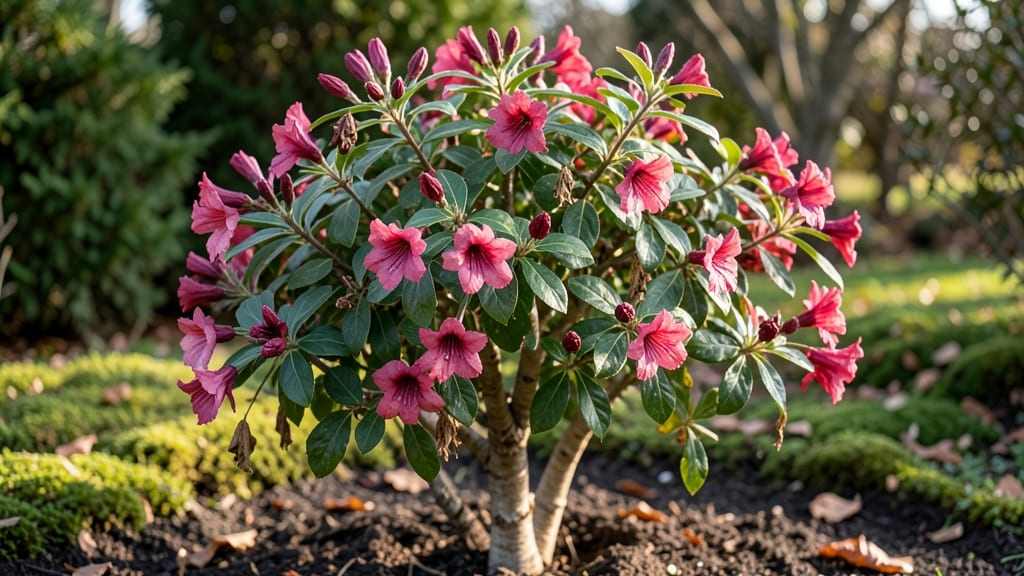
Sonic Bloom Weigela throws vibrant purple spikes even when snow blankets the ground. 🌿 I’ve watched mine burst into bloom in late winter, proving that cold-hardy shrubs can be showstoppers when others are still dormant.
The secret lies in its resilience—this variety thrives in zones 4-8, where many shrubs struggle to survive. The key to winter success is pruning in early spring (not fall) to encourage strong new growth.
A 3-inch layer of mulch around the base insulates roots, while windbreaks shield tender stems from harsh winds. Unlike some winter-blooming shrubs, Sonic Bloom doesn’t need coddling—just a little prep to wake up ready for spring’s first thaw.
You’ll love how its arching branches create texture even when bare, and the occasional red berries add a pop of color. It outshines evergreens in late winter when most gardens feel dull, and it’s far hardier than camellias or mahonias that demand extra care.
For gardeners in colder zones, this is the shrub that delivers year-round interest without fuss. Here’s how to keep yours thriving through the coldest months—no green thumb required.
📚 In This Guide
- What you need
- Instructions
- Tips and common mistakes
- Wrapping up and next steps
What you need
- ● Cold-hardy mulch: 2–3 inches (5–7.5 cm) of straw, shredded bark, or pine needles (avoid fresh wood chips—they can compact and suffocate roots).
- ● Garden gloves: Heavy-duty, waterproof gloves (for protection from thorns and cold soil).
- ● Pruners: Bypass pruners (sharp, clean, and sterilized with rubbing alcohol to prevent disease).
- ● Watering can or hose: With a gentle spray nozzle (avoid heavy water pressure that can damage tender stems).
- ● Frost cloth or burlap: Lightweight, breathable fabric (enough to drape loosely over the plant, like a cozy blanket!).
- ● Stakes or small branches: 4–6 flexible stakes (to secure frost cloth without crushing stems).
- ● Slow-release fertilizer: A balanced 10-10-10 formula (sprinkle lightly in early spring before new growth).
- ● Anti-desiccant spray: Like Wilt-Pruf (applied in late fall to protect leaves from drying in winter winds).
- ● Soil thermometer: To monitor ground temps (ideal range for Weigela: above 20°F (-6°C)).
- ● Compost or aged manure: A small batch (for springtop-dressing to boost nutrients).
How to care for Sonic Bloom Weigela through winter’s freeze
This cold-hardy beauty thrives when you give it the right winter prep—here’s exactly how to keep those purple spikes vibrant.
🪴 Step 1: Mulch Deeply Before Frost Arrives
Once temperatures dip below 40°F, spread 3-4 inches of shredded bark mulch around the base of your Sonic Bloom Weigela, keeping it 6 inches away from the trunk. This layer acts like a cozy blanket, insulating roots from temperature swings. I like to mound it slightly higher on the north side of the plant where cold winds hit hardest.
Use the mulch you already have—no need for fancy brands. Just fluff it up so it’s loose enough for air to circulate but dense enough to trap heat. If your area gets heavy snow, gently brush it off the branches to prevent breakage. You’ll know the mulch is working when the soil stays 10°F warmer than the air above it.
☀️ Step 2: Prune Strategically in Late Winter
Wait until mid-February (after the worst cold passes) to prune, when new buds are just starting to swell. Cut back one-third of the oldest stems to the ground to encourage fresh growth. I always use clean, sharp bypass pruners to make slices just above a leaf node—this prevents ragged cuts that invite disease.
Look for stems that grew last year’s blooms; they’re the ones that look woody and bare. Removing them opens up space for younger stems to shine. Avoid heavy pruning now—you want to preserve the plant’s energy for spring’s burst of purple. If you see any dead or broken branches, trim those first—they’re just taking up resources.
💧 Step 3: Water Sparingly When Soil Freezes
If your ground freezes solid, skip watering entirely—roots aren’t active, and soggy soil can rot them. But if temperatures hover around 32°F, give the plant a deep watering every 3-4 weeks to prevent drought stress. You’ll know it’s time when the soil 1 inch below the surface feels dry—stick your finger in to check.
Water in the early morning so any moisture on the leaves has time to evaporate before nightfall. Avoid overhead sprinklers—they can freeze leaves and create ice crystals that damage buds. A slow drip from a hose or soaker hose keeps the base moist without wetting the foliage.
✂️ Step 4: Protect from Windburn and Salt
If you’re in a windy area, drape frost cloth over the plant during sub-zero nights—it blocks harsh winds while still letting light through. Tie it loosely so it doesn’t smother the branches. In coastal or salty regions, rinse the foliage with lukewarm water once a month to wash away accumulated salt, which burns leaves.
Watch for brown leaf edges—that’s your warning sign. A quick rinse with a hose (in warmer weather) can save the plant. I also add a 1-inch layer of pine needles over the mulch in salty areas; they slowly release natural acids that neutralize salt buildup.
🌿 Step 5: Feed Lightly in Early Spring
As soon as you see new growth (usually by late March), mix ½ cup of 10-10-10 fertilizer into the soil around the base. Water it in well to help the nutrients reach the roots. This gives the Weigela a gentle energy boost without overwhelming it after winter.
Don’t use fresh manure or high-nitrogen fertilizers yet—that can scorch tender new shoots. Instead, I opt for a balanced, slow-release formula to encourage both foliage and flower production. You’ll notice the first pink buds forming within 4-6 weeks—that’s your reward for winter prep!
Tips & tricks for perfect winter care of Sonic Bloom Weigela
Here's what nobody tells you about keeping your purple spikes thriving through the coldest months.
Mulch Placement Matters: When you spread that 3-4 inches of mulch in Step 1, focus on the north side first where cold winds hit hardest. I've seen plants survive harsh winters just by adding an extra inch of mulch on that exposed side. The goal is to create a microclimate where soil stays 10°F warmer than the air above—this is especially critical if you're in Zone 5 or colder where frosts linger.
Pruning Precision: In Step 2, when you're cutting back one-third of the oldest stems, look for the woody stems that grew last year's blooms—they're the ones that look bare and pale. I always make my cuts just above a leaf node using clean bypass pruners, and I never remove more than one-third to avoid shocking the plant. The key is to open up space for younger stems to shine while preserving energy for spring's purple burst.
Watering Wisdom: That deep watering every 3-4 weeks when temps hover around 32°F? Check soil moisture by sticking your finger 1 inch down—if it feels dry, water slowly in the early morning. I've ruined plants by watering too much during winter—roots aren't active, and soggy soil can actually rot them. A soaker hose is your best friend here, keeping the base moist without wetting the foliage where ice can form.
Salt Protection Strategy: For coastal gardeners in Step 4, I've found that adding a 1-inch layer of pine needles over the mulch creates a natural salt barrier. The needles slowly release acids that neutralize salt buildup over time. And if you notice brown leaf edges, don't panic—just rinse with lukewarm water during warmer weather to restore health. The plant will bounce back surprisingly fast.
Pro Tips for Sonic Bloom Weigela In Winter
- Here's what nobody tells you about keeping your purple spikes thriving through the coldest months.
- Mulch Placement Matters: When you spread that 3-4 inches of mulch in Step 1, focus on the north side first where cold winds hit hardest.
- Pruning Precision: In Step 2, when you're cutting back one-third of the oldest stems, look for the woody stems that grew last year's blooms—they're the ones that look bare and pale.
Frequently asked questions
Got questions about keeping your Sonic Bloom Weigela thriving through winter’s chill? You’re not alone! Here are answers to the most common queries—from cold protection to late-season care.
How cold can Sonic Bloom Weigela tolerate?
This variety is highly cold-hardy, surviving down to -20°F (-29°C) with proper care. Mulch the base with 2–3 inches of organic material (like shredded bark) to shield roots. In extreme zones (5–6), a light burlap wrap around the plant can add extra protection. Pro tip: Avoid heavy mulch—it can smother roots!
Should I prune Sonic Bloom Weigela in winter?
Wait until late winter or early spring (after the last frost) to prune. Winter pruning can stimulate new growth that may not survive cold snaps. If you spot dead or damaged branches, trim them back to healthy wood in dormant season (Dec–Feb). Use sterilized shears to prevent disease.
Why isn’t my Sonic Bloom Weigela blooming in spring?
Lack of blooms often stems from over-pruning (cutting back too aggressively) or poor sunlight. Ensure it gets 6+ hours of sun daily. If blooms are sparse, fertilize in early spring with a balanced 10-10-10 formula. Bonus: Deadhead spent flowers in summer to encourage more blooms next year!
Can I grow Sonic Bloom Weigela in containers for winter?
Yes! Potted Weigelas need extra winter care. Move containers to a sheltered spot (like a garage or under eaves) before temps drop below 20°F (-7°C). Wrap the pot in bubble wrap and add extra mulch around the base. Water sparingly—only when soil is dry to avoid root rot. Avoid fertilizing in winter!
What’s a good alternative if Sonic Bloom struggles in my climate?
If winters are harsh (below -20°F), consider these cold-tolerant alternatives:
- Dwarf Korean Lilac (Syringa meyeri) – Blooms early, survives -30°F (-34°C).
- Winter Jasmine (Jasminum nudiflorum) – Yellow winter blooms, hardy to -25°F (-32°C).
- Russian Sage (Perovskia atriplicifolia) – Drought-tolerant, thrives in zones 4–9.
Wrapping up and next steps
Sonic Bloom Weigela isn’t just a winter survivor—it’s a showstopper that turns frosty landscapes into vibrant art with its bold purple blooms. 🌸❄️ Whether you’re a seasoned gardener or a curious beginner, this cold-hardy beauty proves that winter doesn’t have to be dull. Ready to transform your garden? Start by planting one this fall—your winter garden will thank you!
💡 Pro Tip: Pair it with evergreens or ornamental grasses for a stunning contrast that lasts all season!