
Blooming
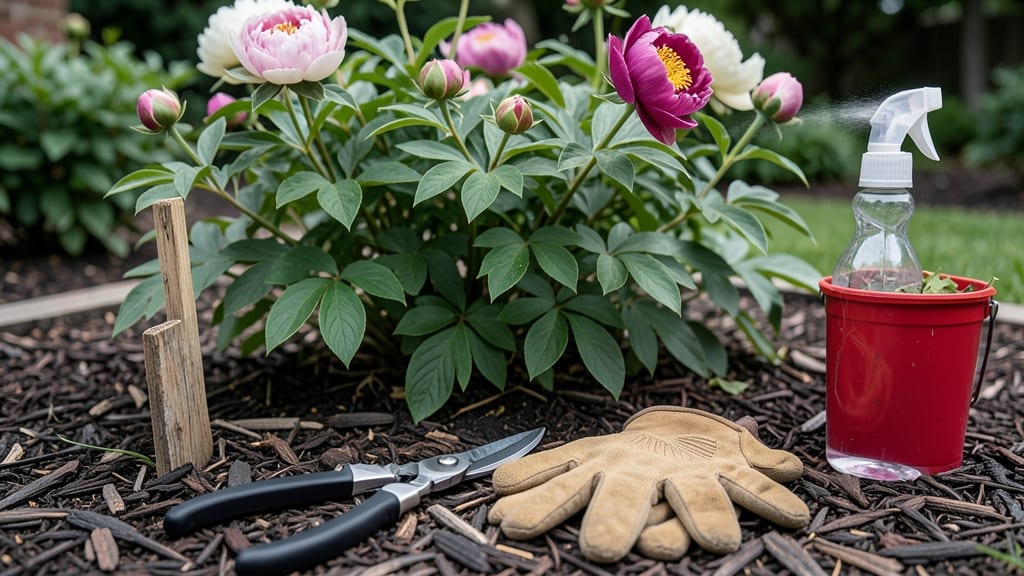
Saving peonies to bloom later can be a game-changer if you time your pruning just right. 🌸 The secret lies in letting the plant store energy—cutting back too early robs them of their second act. I learned this after pruning my peonies in early summer and watching them skip their late-season show entirely.
The key is waiting until after the first bloom cycle, when foliage turns yellowish-green. Grab clean pruners, snip spent blooms down to the first set of leaves, and leave the rest of the plant alone.
This method works for herbaceous peonies (the ones that die back in winter) but won't trigger a second flush in tree peonies.
By mid-summer, you'll see fresh buds forming at the base of the stems. These heat-triggered blooms arrive in August or September, when most gardens are fading. The trade-off? You might sacrifice a few blooms in the first flush, but the late-season display makes it worth it every time.
Fair warning: this trick takes patience—some years produce stronger second flushes than others. But once you see those lush, late-summer blooms, you'll never prune peonies the same way again. Here's how to make it happen without damaging your plants.
📚 In This Guide
- What you need
- Instructions
- Tips and common mistakes
- Wrapping up and next steps
What you need
- ● Mature peony plants: Healthy, established peonies (3–5 years old) that have already bloomed once. (Aim for 2–3 plants for best results!)
- ● Pruning shears or sharp scissors: Clean, sterilized tools to cut stems and foliage.
- ○ Garden twine or plant ties: For securing stems if needed (optional but helpful).
- ● Heat source: Outdoor option: A sunny, sheltered spot (e.g., greenhouse, cold frame, or unheated garage with windows).
- ● Indoor option: A bright windowsill, grow light, or heat mat (set to 65–75°F for optimal warmth).
- ● Watering can or spray bottle: For gentle hydration—avoid soggy soil!
- ● Well-draining potting mix or garden soil: If repotting or using containers, mix in perlite or sand for aeration.
- ● Plant food: A balanced, low-nitrogen fertilizer (e.g., 5-10-10) to boost post-bloom recovery.
- ● Thermometer: To monitor soil temps (ideal range: 50–60°F for dormancy, then 65°F+ to trigger regrowth).
- ● Mulch (straw or shredded leaves): To insulate roots if saving outdoors in cooler climates.
- ● Grow lights (LED or fluorescent): For indoor setups—12–14 hours of light per day mimics spring conditions.
How to encourage peonies to bloom again after their first flush
Here’s how I coax a second round of blooms from peonies—no fancy tricks, just smart timing and care.
🌱 Step 1: Wait for the First Blooms to Fade Naturally
Let the first flush of flowers fully open and then wilt on their own—don’t cut them back. This ensures the plant stores energy for the next round. Once the blooms turn brown and the foliage starts yellowing, that’s your cue to act. I usually wait until about 6-8 weeks after the first bloom, when the leaves are still green but clearly past their peak.
If you cut back too soon, the plant won’t have enough time to recover and won’t produce a second flush. Think of it like giving your peonies a rest before their encore performance. The goal is to let them recharge while still keeping the foliage intact—it’s the leaves that fuel the next set of buds.
☀️ Step 2: Provide Consistent Heat and Sun Exposure
Peonies need full sun (6-8 hours daily) and warmth (75-85°F) to trigger a second flush. If your peonies are in a cooler microclimate, consider moving them to a sunnier spot or using a small greenhouse tent over them for a few weeks. I’ve seen dramatic results by placing a clear plastic dome over the plants after the first blooms fade—it traps heat without smothering the foliage.
Watch for signs of stress like wilting or yellowing leaves. If this happens, adjust the heat source or move the peonies to a slightly shadier spot during the hottest part of the day. The key is balance—too much heat can scorch the leaves, but too little won’t trigger the second flush. Aim for a warm but not scorching environment.
💧 Step 3: Water Deeply but Sparingly After the First Flush
Once the first blooms are gone, reduce watering slightly but keep the soil evenly moist (not soggy). Overwatering after the first flush can dilute the plant’s energy reserves, which are critical for the second round of blooms. I water deeply once a week, letting the top 2-3 inches of soil dry out slightly between waterings. This encourages the roots to seek moisture deeper in the soil, making them stronger for the next growth cycle.
Check the soil with your finger—if it feels dry 1 inch down, it’s time to water. Avoid wetting the foliage, as damp leaves can invite fungal issues. A drip irrigation system or soaker hose works best to deliver water right to the roots without splashing the leaves.
✂️ Step 4: Prune Strategically to Encourage New Buds
After the first flush, cut back the stems to about 6 inches above the ground, but leave the lower leaves intact. These leaves are working hard to photosynthesize and store energy for the next set of buds. I use clean, sharp pruners to make the cuts at a 45-degree angle just above a leaf node. This prevents disease and encourages new growth from the base.
Don’t remove all the foliage—even if it looks tired, those leaves are still powering the plant. If you’re worried about the plant looking messy, you can tie the remaining stems together with twine to keep them neat while they recover. The goal is to give the peonies a fresh start without shocking them into dormancy too early.
⏰ Step 5: Monitor for New Buds and Adjust Care
Within 4-6 weeks of pruning, you should see new shoots emerging from the base of the plant. These are your second-flush buds! Keep the soil consistently moist but not waterlogged, and continue providing full sun. If the weather turns hot and dry, a light mulch around the base of the plant helps retain moisture and regulate soil temperature.
Watch for the buds to swell and harden—this is your signal that the second flush is on its way. If the buds appear weak or fail to open, it might be due to insufficient heat or sunlight. At this stage, a little extra care, like a temporary shade cloth during extreme heat, can make all the difference. Patience is key—peonies take their time, but the second show is worth the wait.
Tips & tricks for perfect peony second blooms
Here's what I've learned after years of coaxing extra blooms from my peonies—these tricks make all the difference.
Timing Secret: The 6-8 week waiting period after the first flush is non-negotiable. I've tried cutting back sooner and always ended up with no second blooms. Use a small flag or marker at planting time to track exactly when the first flowers appeared—this helps you stay on schedule.
Heat Hack: For peonies in cooler climates, I've found that a simple plastic dome (like a clear salad bowl) placed over the plants for 2-3 hours daily after the first flush creates the perfect 75-85°F environment. Just make sure to remove it when temperatures rise above 90°F to prevent overheating.
Pruning Precision: When cutting back to 6 inches, focus on making clean cuts just above a leaf node at a 45-degree angle. I use sterilized pruners dipped in rubbing alcohol to prevent disease transmission. This technique encourages stronger regrowth from the base where the next buds will form.
Soil Check: The "1 inch dry" test is your best friend. Stick your finger in the soil—if it feels dry at that depth, it's time to water. I've ruined second flushes by either overwatering (which dilutes energy reserves) or underwatering (which stresses the plant). A moisture meter can help if you're unsure.
Pro Tips for Saving Peonies To Bloom Later
- Here's what I've learned after years of coaxing extra blooms from my peonies—these tricks make all the difference.
- Timing Secret: The 6-8 week waiting period after the first flush is non-negotiable.
- Heat Hack: For peonies in cooler climates, I've found that a simple plastic dome (like a clear salad bowl) placed over the plants for 2-3 hours daily after the first flush creates the perfect 75-85°F environment.
Frequently asked questions
about saving peonies to trigger a second flush—because every gardener deserves a little extra magic from their blooms!When is the best time to heat-treat peonies for a second flush?
The ideal window is late summer to early fall (August–September in most climates). Apply heat when daytime temps are already warm (75–85°F) but nights cool down—this mimics natural stress cues. Avoid treating too early (before buds form) or too late (after frost risk). Patience pays off for a stunning rebloom!
What if my peonies don’t rebloom after heat treatment?
Don’t worry—reblooming isn’t guaranteed! Factors like cultivar type (herbaceous peonies rebloom better than tree peonies), age of plant (younger plants may need 2–3 years), or over-fertilizing (too much nitrogen = fewer blooms) can affect results. Try again next season, adjusting your method (e.g., shorter heat exposure or pruning spent blooms sooner).
Can I use a hairdryer or heat lamp instead of a heat mat?
Yes, but with caution! A low-heat hairdryer (cool setting) or 150–180W heat lamp (kept 6–12 inches away) can work for small plants. Avoid direct contact with foliage to prevent burns. For larger gardens, heat mats are safer and more consistent. Monitor temps closely—peony roots like warmth, not scorching!
How do I know if my peony is a reblooming variety?
Check the tags or plant label—reblooming types (like ‘Sarah Bernhardt’ or ‘Bowl of Beauty’) are labeled as “IT” (Intersectional) or “reblooming.” If you’re unsure, observe your plant: Herbaceous peonies often rebloom, while tree peonies (woody stems) rarely do. Pro tip: Divide and test! Some non-rebloomers surprise you.
Should I cut back dead foliage after the first flush?
No—leave the leaves until late fall! They photosynthesize, feeding the roots for next year’s blooms. Only remove brown, crispy leaves after the first frost. If you prune too early, you might sacrifice the second flush. Think of it as a delayed payday for your peonies!
Bonus Tip:
Track your peony’s progress!
Use a small notebook to log heat treatments, bloom dates, and weather. Over time, you’ll spot patterns—like the perfect August heatwave that triggers your peony’s second act. Happy gardening!
Wrapping up and next steps
Saving peonies to bloom later is all about patience, timing, and a little extra care—but the rewards are worth it! 🌸 With the right techniques, you can coax those stunning blooms to return in late summer or early fall, extending your garden’s beauty.
Whether you’re a seasoned gardener or just starting, this method is a game-changer for maximizing your peonies’ potential.
Now that you’re armed with the know-how, give it a try! Start by observing your peonies this season, and next year, you’ll be the one sharing tips with fellow gardeners. Happy planting—and may your peonies bloom beautifully again! 🌿✨