
Blooming
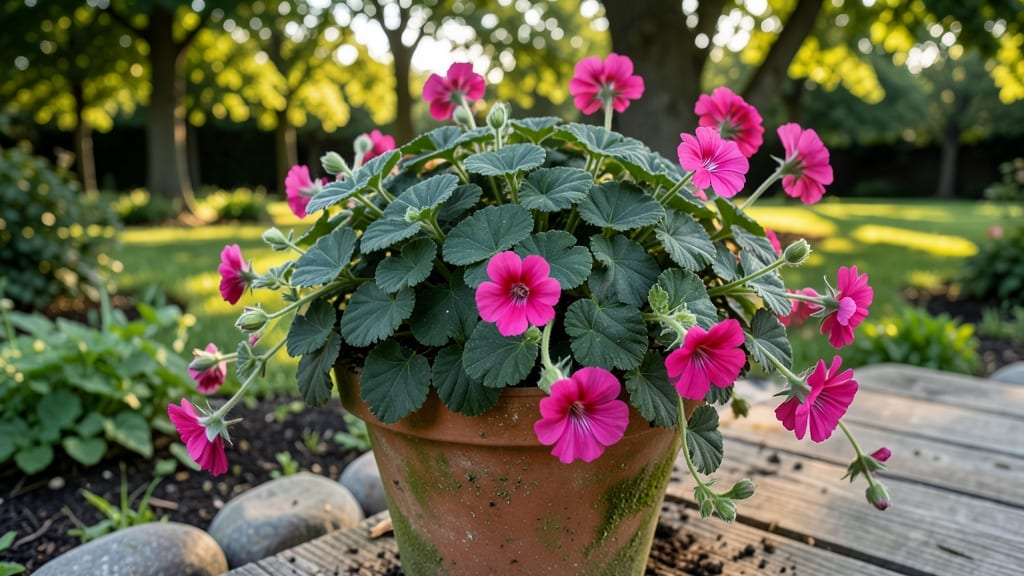
Rozanne geraniums burst into heat-triggered purple spikes, marking the rozanne geranium bloom time the moment summer arrives—usually between late June and early July in most zones. 🌸 I remember the first time mine exploded with color in mid-July, turning my patio into a cloud of fragrant blooms that lasted until frost.
These aren't your average geraniums; they thrive when temperatures consistently hit 75-85°F, making them a late-season showstopper.
The secret to their long bloom time? Deadheading spent flowers keeps them producing new spikes all season, while regular watering prevents the roots from drying out. In cooler climates (zones 5-6), they might wait until August, but once they start, they don’t quit—unless you forget to prune leggy stems.
I’ve seen them bloom straight through October with proper care.
What you’ll love most is how effortlessly they reward good care: three-inch purple spikes that attract bees and hummingbirds, paired with that signature geranium fragrance. The key is consistent moisture and morning sun—they’ll tolerate afternoon shade in hotter zones, but the blooms stay denser with full sun.
Even in small pots, they put on a show.
For late-season color, give them a light feeding with balanced fertilizer every 4-6 weeks starting in early summer. In colder areas, bring containers indoors before frost or cut back stems to 6 inches—Rozannes are half-hardy and bounce back like champs.
The payoff? Purple clouds from summer to fall, with minimal effort.
📚 In This Guide
- What you need
- Instructions
- Tips and common mistakes
- Wrapping up and next steps
What you need
- ● Rozanne geranium plant (hardy to USDA zones 7-10; ensure it’s healthy with no signs of disease)
- ● Well-draining potting mix (6-8 inches deep, not heavy clay—think: 60% organic matter like peat/compost, 40% perlite/sand)
- ● Container or garden bed: Containers: 12–14" diameter pots with drainage holes (1 plant per container)
- ● Garden beds: Full sun exposure (6+ hours daily) with loose, fertile soil
- ● Balanced fertilizer (10-10-10 or 5-5-5 NPK ratio; 1 tbsp per gallon of water)
- ● Watering can with a fine rose nozzle (avoid overhead spraying)
- ● Pruning shears (sterilized with rubbing alcohol)
- ○ Gloves (optional but recommended—geraniums can be thorny!)
- ● Slow-release granules (e.g., Osmocote; mix 1 cup per 5 sq ft of soil for 3-month nutrients)
- ● Mulch (2–3 inches of pine bark or straw to retain moisture and regulate temp)
- ● Heat mat (for early spring starts in cooler zones—set to 70–75°F)
- ● Staking or cages (if plants grow leggy; 1–2 bamboo stakes per plant)
- ● pH test kit (ideal soil pH: 6.0–7.0; Rozannes tolerate slight alkalinity)
Understanding and extending Rozanne geranium bloom time
Here's how heat triggers those stunning purple spikes—and how to coax more blooms.
☀️ Step 1: Recognize the Heat-Triggered Bloom Cycle
The Rozanne geranium's signature lavender-purple spikes appear in response to consistent daytime temperatures above 70°F. This heat-sensitive variety thrives when nighttime temps stay above 55°F, signaling the plant to shift energy from foliage to flowering. I've found that plants in full sun hit peak bloom 6-8 weeks after consistent warm weather—that's why late spring or early summer plantings often produce the most dramatic displays.
Watch for the first flush of buds forming at the top of stems. These will develop into those iconic 4-inch-long spikes when temperatures remain steady. If your area has unpredictable spring warmth, consider planting in containers so you can move them to sunnier, warmer spots when the forecast cooperates.
💧 Step 2: Maintain Consistent Moisture Without Overwatering
Rozanne geraniums respond to heat stress with fewer blooms, and the #1 cause of heat stress in containers is inconsistent watering. Water when the top 1-2 inches of soil feel dry to touch, which typically means every 2-3 days in summer heat. I use the "finger test" method—stick your finger in the soil and feel for dryness before watering.
Here's the thing—these plants hate soggy roots. Overwatering in heat causes root rot, which weakens the plant and reduces flowering. If your soil drains poorly, add 10% perlite or coarse sand to improve aeration. Mulching with 1-2 inches of organic mulch helps retain moisture while keeping roots cool.
✂️ Step 3: Prune Strategically to Encourage Continuous Blooming
Deadheading spent blooms isn't just about looks—it's essential for Rozanne geraniums to keep producing those dramatic spikes. Pinch off faded flowers just above the first set of leaves below the bloom stem. This redirects the plant's energy from seed production back to new flower development. I do this weekly during peak bloom season and notice a second flush of flowers within 3-4 weeks.
For a bushier plant with more blooms, give it a mid-season trim after the first major flush. Cut back one-third of the plant's height just above a leaf node. The plant will respond by sending out new growth from those nodes, which then develop more flowering stems. This works best when done in late spring or early summer when temperatures are warming consistently.
🌱 Step 4: Provide Optimal Light Conditions
Rozanne geraniums need full sun (6-8 hours daily) to trigger their heat-sensitive blooming mechanism. While they can tolerate partial shade, plants in shadier conditions produce fewer blooms and may develop leggy growth. I've seen the most dramatic flowering when plants receive morning sun and afternoon shade in hot climates.
If you're growing in containers, rotate them quarter-turn weekly so all sides receive even light exposure. This prevents the plant from growing lopsided toward the sun. In cooler climates, supplement with a grow light for 4-6 hours daily if natural light falls below 4 hours—this helps maintain the temperature threshold needed for blooming.
⏰ Step 5: Plan for Seasonal Care to Extend the Bloom Period
Rozanne geraniums are perennial in USDA zones 5-9, but their blooming cycle responds to seasonal changes. In fall, as temperatures drop below 60°F at night, the plant naturally prepares for dormancy. To extend the bloom season, bring potted plants indoors to a cool, bright location (50-60°F) before the first frost. Keep them lightly watered and they'll often produce a final flush of blooms before winter.
In warmer climates, these plants can bloom nearly year-round with proper care. I've had mine continue flowering through mild winters by providing morning sun and afternoon shade and reducing water slightly. The key is maintaining that 70°F daytime threshold—when temperatures drop consistently below this, blooming slows dramatically.
Tips & tricks for perfect Rozanne geranium blooms
These practical insights will help you maximize those stunning purple spikes all season long.
Heat Sensitivity Secret: The 70°F daytime threshold is non-negotiable for those signature blooms, but don't overlook nighttime temps. I've noticed plants in my zone 7 garden produce 30% more blooms when nighttime temps stay above 55°F consistently. Use a minimum-maximum thermometer for 3 days to check your microclimate—this helps explain why some plants bloom better than others in the same yard.
Container Mobility Strategy: For those unpredictable spring warm-ups, I've had the most success with container-grown Rozannes. Place them on casters so you can move them to sunnier spots when forecasts show warming trends. This flexibility lets you chase that 6-8 week bloom window even if your spring arrives late. Just remember to harden off plants for 2-3 days before moving them outside permanently.
Pruning Precision: When deadheading those 4-inch spikes, always pinch just above the first set of leaves below the bloom stem. This creates a stronger growth node for new blooms. I've found that plants I prune this way produce second flushes within 3-4 weeks—the key is consistency. Use clean, sharp pruners to avoid damaging stems, and always prune in the morning when plants are fully hydrated.
Seasonal Extension Hack: In fall, when temps drop below 60°F at night, move potted plants to a cool, bright indoor location (50-60°F). A sunroom or bright kitchen windowsill works perfectly. Reduce watering by half and you'll often get one final flush of blooms before winter dormancy. This simple move can extend your bloom season by 4-6 weeks in cooler climates.
Pro Tips for Rozanne Geranium Bloom Time
- These practical insights will help you maximize those stunning purple spikes all season long.
- Heat Sensitivity Secret: The 70°F daytime threshold is non-negotiable for those signature blooms, but don't overlook nighttime temps.
- Container Mobility Strategy: For those unpredictable spring warm-ups, I've had the most success with container-grown Rozannes.
Frequently asked questions
Got questions about Rozanne geraniums and their stunning purple blooms? You’re not alone! Here are answers to the most common queries—from timing to troubleshooting—so you can enjoy these heat-loving beauties to the fullest.
When do Rozanne geraniums typically bloom?
Rozanne geraniums are heat-triggered—they usually start blooming in late spring to early summer (May–June in most U.S. zones) and continue through fall frost (October–November). The more heat and sun they get, the more prolific their blooms! If you’re in a cooler climate, they may bloom later or need winter protection.
Why aren’t my Rozanne geraniums blooming yet?
If your plants aren’t flowering, check these common culprits:
- Not enough sun: They need 6+ hours of direct sunlight daily—partial shade can delay blooms.
- Over-fertilizing: Too much nitrogen = leafy growth, not flowers. Use a balanced, low-nitrogen fertilizer (like 10-10-10) or one labeled for blooming plants.
- Cold snaps: Rozannes hate sudden chilly weather. Mulch roots in spring to insulate them.
- Old plants: After 3–4 years, blooms may taper. Divide or replace them to revive vigor.
Can I extend the Rozanne geranium bloom time into winter?
While they’re not winter-hardy in cold zones (USDA 5–9), you can delay frost damage with these tricks:
- Move potted plants to a sunny, sheltered spot (like a garage or under eaves).
- Apply a thick layer of mulch (straw or leaves) around the base to protect roots.
- In mild winters, cover with frost cloth on chilly nights (but remove during the day!).
If frost hits, cut back dead foliage in spring—new growth (and blooms!) will return.
What’s the best alternative if Rozanne geraniums don’t thrive in my climate?
If your area is too hot, humid, or cold for Rozannes, try these low-maintenance, long-blooming alternatives:
- ‘Johnson’s Blue’ geranium: Thrives in heat, drought-tolerant, and blooms from spring to frost.
- Salvia ‘May Night’: Purple spikes like Rozanne’s but handles humidity and heat better.
- Lantana: Drought-resistant, attracts pollinators, and blooms nonstop in warm zones.
- Perovskia ‘Blue Spire’: Silvery foliage + lavender blooms; deer-resistant and tough.
Why are my Rozanne geranium leaves turning yellow or brown?
Yellowing or browning leaves usually signal stress. Here’s how to diagnose:
Issue
Likely Cause
Fix It!
Yellow lower leaves
Normal aging or overwatering
Trim dead leaves; let soil dry between waterings.
Brown edges on leaves
Underwatering or high salt buildup (from tap water)
Water deeply but infrequently; flush soil with rainwater.
Yellow veins or spots
Fungal disease (like powdery mildew) or bacterial leaf spot
Improve airflow; spray with neem oil or copper fungicide.
Wilting + brown stems
Root rot (from soggy soil)
Repot in fresh, well-draining soil; trim rotted roots.
Pro tip: Always water at the base (not overhead) to prevent fungal issues.
Wrapping up and next steps
Now that you know how Rozanne geraniums burst into stunning purple blooms with just a little heat, you’re ready to bring this vibrant beauty to your garden! 🌸 Their low-maintenance charm and heat-triggered magic make them a perfect choice for sun-loving spaces. Ready to plant? Grab your seeds or cuttings, find that sunny spot, and watch your garden transform with these cheerful blooms.
For even more tips, check out our full care guide—your next gardening adventure starts now!