
Blooming
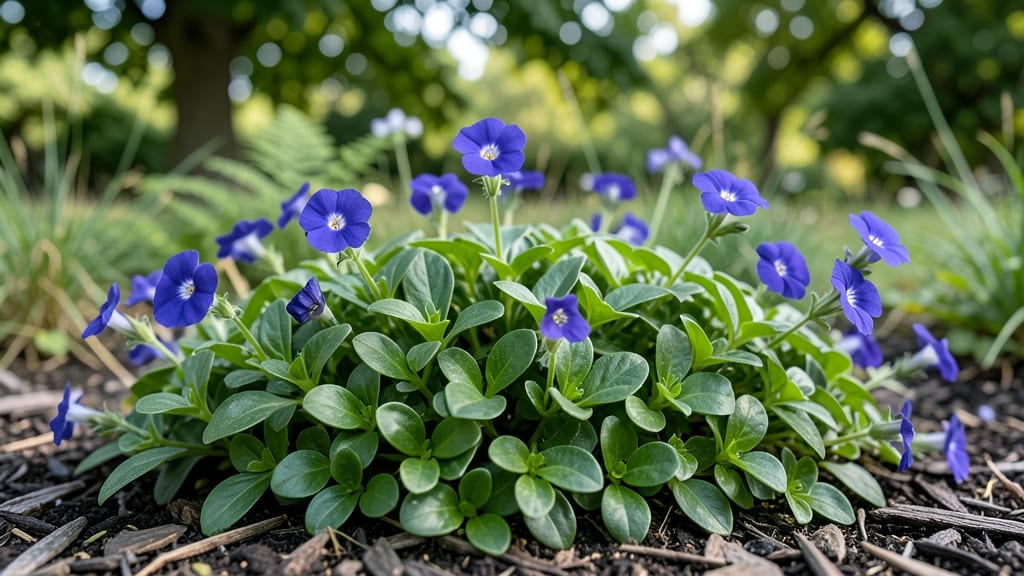
Periwinkle blooms in early spring and often again in late summer, with timing that shifts dramatically depending on your hardiness zone—think March in Zone 6a but April in cooler regions.
That first flush of vibrant blue or purple 🌸 is what gardeners wait for, but getting a second bloom requires knowing exactly when to prune and feed. Miss the window, and you might end up with just one showstopper season instead of two.
Below, I break down the exact months for your zone, how to coax a second flush, and the one mistake that kills blooms before they start—plus how to fix it.
Whether you’re in the South or the North, you’ll leave here with a clear calendar for periwinkle blooms and the secrets to making them last all season.
Periwinkle bloom time by USDA plant hardiness zone: when to expect first and second flushes
If you've ever wondered why your periwinkle blooms seem to appear at different times each year, the answer lies in your USDA hardiness zone. Vinca minor (creeping periwinkle) and Vinca major (greater periwinkle) thrive in zones 4 through 10, but their bloom schedules shift dramatically depending on where you live.
Understanding these patterns helps you plan for stunning spring displays and even encourage a second flush later in the season.
In colder zones like 4-6, periwinkle often waits for warmer soil temperatures before bursting into color, while zones 7-10 may see blooms as early as late winter.
The key difference? Chilling requirements in northern climates delay flowering until spring, while milder southern winters allow for earlier—and sometimes prolonged—blooming periods.
Here's how to predict your periwinkle's bloom schedule based on your zone, including first flush timing, second flush potential, and how local climate variations can shift these windows by weeks.
In zones 4-5, periwinkle typically waits until late April or early May to bloom, as cold soil delays root activity. The first flush usually lasts 4-6 weeks, but with proper post-bloom pruning, you can coax a second flush in June or July.
These northern gardens benefit from mulching in fall to protect roots and encourage earlier spring blooms.
Gardeners in zones 6-7 enjoy the earliest blooms, often seeing Vinca minor flowers as early as March. The second flush appears reliably in May or June, lasting another 6-8 weeks. Here, day length triggers flowering, so extending light with grow bulbs can push blooms slightly earlier if needed.
Southern zones (8-10) experience the longest bloom periods, with first flushes starting as early as January and second flushes extending into April. In zone 10, periwinkle may even bloom year-round with minimal care.
The key is consistent moisture—these warm climates dry out faster, so drip irrigation works best.
One common misconception is that Vinca major blooms later than Vinca minor. While both follow similar patterns, Vinca major often produces its first flush 1-2 weeks later due to its larger size and slower growth.
To synchronize blooms, plant them together in partial shade and use balanced fertilizer in early spring.
Extending your periwinkle's bloom time requires strategic pruning. After the first flush, cut back spent blooms by one-third to encourage new growth. In zones 4-7, do this in late May; in zones 8-10, prune in early April for a summer rebloom.
Avoid heavy pruning in fall—this can delay next year's first flush.
If your periwinkle's blooms are sparse or late, check your light conditions. While they tolerate partial shade
How to extend periwinkle bloom time: pruning, fertilizing, and light adjustments for longer flushes
Periwinkle (Vinca minor and Vinca major) thrives with the right care, and extending its bloom time is all about timing and conditions. With proper pruning techniques, balanced fertilization, and optimal light exposure, you can coax second flushes of vibrant blooms.
The key lies in understanding when to act—whether it's trimming spent flowers or adjusting sunlight levels.
Early spring is the best time to encourage longer blooming. Start by removing deadheading spent blooms to redirect energy to new growth. This simple step can trigger a second flush of flowers, especially in USDA Zones 5-9.
Pair this with the right fertilizer strategy, and your periwinkle will reward you with extended color.
Extending Periwinkle Bloom Time: Pros and Cons
| Method | Pros | Cons |
|---|---|---|
| Pruning | Stimulates new growth, encourages second flush | Over-pruning can stress plant; avoid cutting into old wood |
| Organic Fertilizer | Improves soil health, slow-release nutrients | Slower results; requires consistent application |
| Synthetic Fertilizer | Quick nutrient boost, precise NPK ratios | Risk of over-fertilizing; can burn roots |
| Light Adjustments | Balances growth and flowering cycles | Too much sun can scorch leaves; too little reduces blooms |
Tip: Combine pruning with a balanced 10-10-10 fertilizer every 4-6 weeks for best results.
For fertilizing periwinkle, organic options like compost or fish emulsion work wonders. These slow-release nutrients keep your plant fed without the risk of burning roots that synthetic fertilizers can cause.
Apply a light feed in early spring and again in late summer to support new growth and prepare for winter.
Light plays a crucial role too. Periwinkle loves partial shade (4-6 hours of sun), but too much direct sunlight can shorten bloom time. If your plant isn’t flowering as expected, try moving it to a morning sun location with afternoon shade.
This adjustment often triggers a second flush of blooms.
Don’t forget about soil pH—periwinkle prefers slightly acidic to neutral soil (pH 6.0-7.0). Test your soil and amend with sulfur or lime as needed. Well-draining soil is also critical; waterlogged roots can stunt blooming. Mulch around the base to retain moisture and regulate temperature.
With these adjustments, your periwinkle can bloom from early spring to late summer, giving you months of color. The secret is consistency—prune regularly, fertilize wisely, and monitor light exposure. Your garden will thank you with a longer, more vibrant display! 🌸