
Flowers
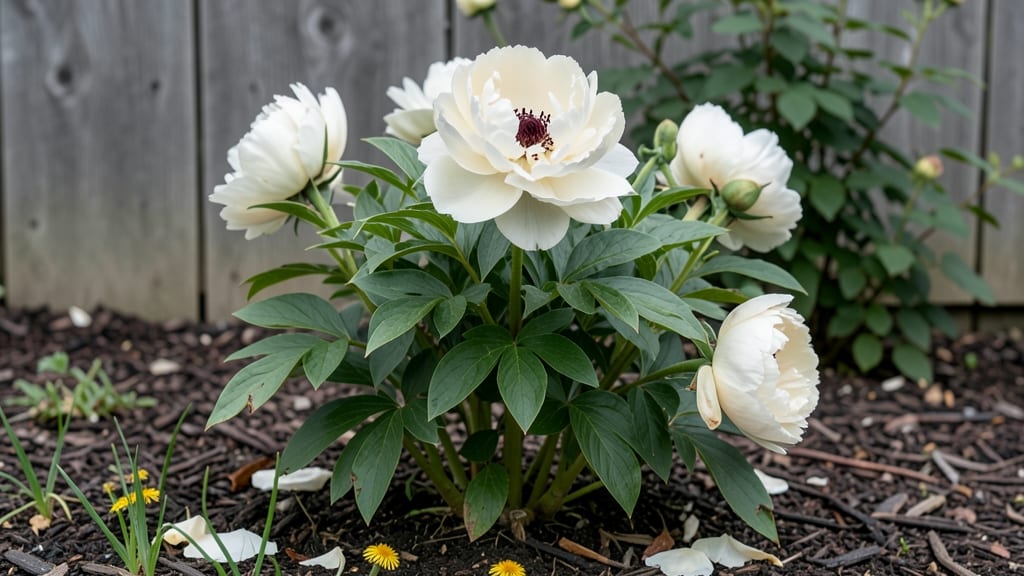
The peonies flowers bulbs you plant in the right conditions will transform your garden into a dreamy, fragrant escape—but even the hardiest ones can fail if you miss the timing or soil secrets.
Picture this: You’ve waited all year for those lush, romantic blooms, only to find your peonies struggling to take root or, worse, never flowering at all.
The truth? Peonies need patience, and the difference between a thriving plant and a wasted bulb often comes down to when and how you plant them.
This guide cuts through the guesswork with the exact fall planting window for your zone, soil prep tricks to boost blooms, and the one spacing mistake that stunts growth.
Whether you’re a first-timer or a seasoned gardener, these steps will have your peonies bursting with color in just two years.
Ready to skip the trial-and-error? Let’s get your peonies off to the best start—so you can enjoy their beauty for decades.
Best time and season to plant peony bulbs for maximum blooms
Timing is everything when planting peony bulbs—get it wrong, and you might wait 3-5 years for those dreamy blooms. The ideal window for planting is early fall, when soil temperatures drop below 60°F (15°C) but before frost arrives.
This gives roots time to establish before winter dormancy, setting the stage for vibrant spring blooms.
Peonies thrive in USDA hardiness zones 3-8, but regional adjustments matter. In warmer zones (7-8), plant in late fall or early winter to avoid summer heat stress. Meanwhile, gardeners in colder zones (3-5) should plant by October to prevent frost damage to tender roots.
| Factor | Fall Planting (Sept-Oct) | Spring Planting (March-Apr) |
|---|---|---|
| Best For | Zones 3-8; cooler climates | Zones 5-8; missed fall window |
| Root Establishment | 6-8 weeks before frost | Slower; blooms delayed 1-2 years |
| Bloom Timing | Year 1 or 2 | Year 3 or 4 |
| Moon Phase Tip | Plant under waxing moon for root growth | Avoid full moon; stress increases |
| Common Mistake | Planting too early (roots rot) | Planting too late (weak root system) |
Spring planting is possible but risky—only attempt it if you missed fall or live in zone 8+. Plant in early spring (March-April) when soil is workable, but expect delayed blooms by 1-2 years. The key is soil temperature: aim for 50-60°F (10-15°C) to avoid shocking the bulb.
Moon phases can subtly influence success. Plant peony bulbs during the waxing moon (when roots grow strongest) for better root establishment. Avoid planting during the waning moon or full moon, which can stress the bulb and slow growth. Check a lunar planting calendar for your region’s phases.
Climate plays a critical role—northern gardeners in zones 3-5 should plant by mid-October to avoid frost heave, while southern gardeners in zones 7-8 can plant until November. In transition zones (6), aim for September to balance root growth and frost risk.
One common mistake is planting too deep or too shallow. The crown (eyes) should sit 1-2 inches below soil. Planting deeper than 2 inches can suffocate the bulb, while planting too shallow risks frost damage in winter.
Use a soil marker to track depth if your soil is loose.
Adjust for your microclimate—low-lying areas may frost earlier, while south-facing slopes stay warmer. If your yard has poor drainage, amend soil with compost or sand to prevent root rot. Peonies hate soggy feet, so raised beds are ideal in wet climates.
Pro tip: Mulch heavily after planting (3-4 inches of straw or shredded leaves) to insulate roots in winter. In zone 3-4, add an extra 2 inches of mulch for protection. Remove mulch in early spring to prevent moisture buildup and fungal issues.
If you’re unsure about timing, fall planting is always safer. Peony bulbs can wait in cool storage (35-40°F) for up to 6 months, but planting them as soon as possible maximizes root development before winter.
Don’t let perfect be the enemy of good—plant in fall for the best chance at showstopping blooms next spring.
Step-by-step peony bulb planting guide: soil, depth, and spacing secrets
Peonies are diva plants—they demand perfect soil and precise planting to reward you with showstopping blooms. The secret to their success lies in three critical factors: soil preparation, ideal bulb depth, and proper spacing.
Skip these steps, and you might end up with leggy stems or no flowers at all. Let’s get your peonies off to the right start with my foolproof method.
First, choose a sun-drenched spot—peonies crave 6+ hours of direct sunlight daily. While they’re adaptable, partial shade can lead to fewer blooms and weaker stems. Next, test your soil pH. Peonies thrive in slightly acidic to neutral soil (pH 6.0–7.0).
If your soil is too alkaline, amend it with peat moss or sulfur before planting. Poor drainage? Mix in compost or sand to loosen heavy clay.
How to Plant Peony Bulbs: A Visual Guide
- Step 1: Dig a hole 2 inches wider than the bulb’s root ball and 1.5–2 inches deeper than the crown (the swollen base where roots emerge).
- Step 2: Place the bulb so the eyes (buds) face upward. This is the "eyes-up rule"—critical for future blooms!
- Step 3: Spread roots evenly outward without bending them. Rock the bulb gently to settle soil around roots.
- Step 4: Backfill with native soil, leaving the crown 1–2 inches below soil level. Press lightly to remove air pockets.
- Step 5: Space bulbs 3–4 feet apart for herbaceous peonies or 4–5 feet apart for tree peonies. This prevents crowding and fungal diseases.
- Step 6: Water deeply to settle soil and encourage root growth. Mulch with 2–3 inches of organic mulch (like straw) to retain moisture.
For rocky or clay-heavy soils, create a custom planting pocket. Mix equal parts garden soil, compost, and perlite in the hole. This improves drainage while retaining moisture—peonies hate soggy roots!
If your soil is sandy, add peat moss to boost nutrient retention. Remember: amend the soil, don’t just plant and hope.
Companion planting is your secret weapon against fungal diseases like botrytis. Pair peonies with garlic, lavender, or thyme—their natural antifungal properties keep pests at bay.
Avoid planting near tomatoes or potatoes, which compete for nutrients and attract similar pests. A little strategic planning now saves hours of cleanup later.
After planting, resist the urge to overwater. Peonies prefer moderate moisture—water deeply once a week, then let the soil dry slightly between waterings. Overwatering leads to root rot, while underwatering causes buds to abort.
Aim for consistent moisture, not soggy soil. In USDA Zones 3–8, your peonies will establish roots before winter, blooming beautifully the following spring.
Pro tip: Mark your peony beds with stakes or flags to avoid disturbing the roots when weeding. Peonies hate being moved—their deep taproots can break easily. With the right soil, depth, and spacing, your peonies will reward you with decades of drama-worthy blooms. Happy planting! 🌸