
Blooming
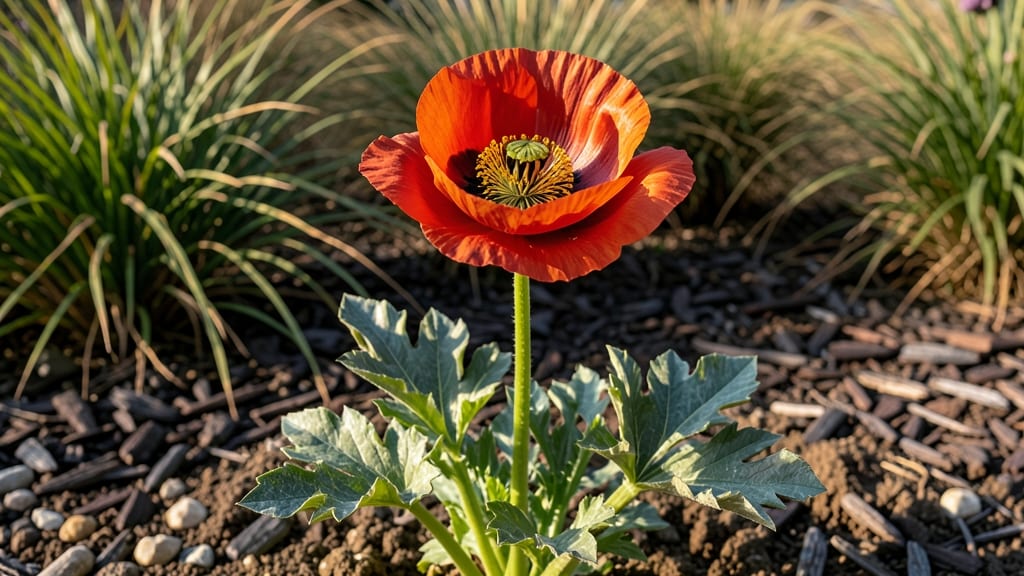
The oriental poppies bloom time is a late spring to early summer showstopper 🌸, but only if you plant them right—and know what to expect.
Picture this: you’ve waited all winter, and those delicate papery petals finally unfurl in your garden, turning heads for weeks. But here’s the catch—miss the planting window or skip the right care, and you might end up staring at lush green leaves with zero blooms.
The timing isn’t just about the calendar; it’s about your hardiness zone, soil prep, and even how much sunlight they soak up.
In USDA Zone 6a, where these beauties love to thrive, blooms typically kick off in May and stretch into June, but cooler zones can push that back by weeks—or even delay it until the second year.
The key? Planting seeds in March or April, giving them full sun, and avoiding overwatering once they’re established.
Below, I’ll break down exactly when to expect those stunning cup-shaped flowers, how to coax earlier blooms, and which varieties stay showy the longest. No more guessing—just reliable, garden-tested timing for your oriental poppies.
Oriental poppies bloom time by USDA hardiness zone
Oriental poppies (Papaver orientale) are prized for their bold, cup-shaped blooms that appear in late spring to early summer, but their exact bloom time depends heavily on your USDA hardiness zone.
In colder zones like 3-5, plants often need 2-3 years to mature before flowering, while warmer zones 6-8 may see blooms as early as the first year. Understanding these patterns helps you plan your garden for maximum impact.
The Pacific Northwest and Midwest experience different bloom windows due to rainfall patterns and temperature shifts. Coastal areas in zones 7-8 may enjoy longer bloom periods thanks to milder winters, while inland zones like 6a often see a shorter, more intense bloom window in late May to June.
Let’s break down what to expect where you garden.
In zones 3-4, oriental poppies often skip flowering entirely in their first year as they focus on root and foliage development. The cold stratification these zones provide actually triggers blooming in subsequent years.
I’ve seen stunning displays in zone 4 gardens where plants finally bloom in their third year, rewarding patience with 3-foot-tall stems laden with blooms.
For zones 5-6, the transition from winter dormancy is critical. A gradual thaw in early spring signals the plant to push up new growth, often resulting in earlier blooms than in colder zones.
In my zone 5b garden, I’ve noticed that well-drained soil and full sun exposure can shift bloom times by 1-2 weeks earlier compared to heavier clay soils.
Gardeners in zones 7-8 enjoy the luxury of first-year blooms, but they must contend with heat stress in summer. The Pacific Northwest, with its cooler summers, often sees prolonged bloom periods into June, while Southern California gardens may experience bolting (premature flowering) if planted too early.
I’ve learned to plant seeds in fall for spring blooms in these warmer zones.
Regional microclimates also play a role. For example, urban heat islands in cities like Chicago (zone 5) can push bloom times 1-2 weeks earlier than rural areas. Conversely, coastal fog in San Francisco (zone 9) may delay blooms until late May.
Pay attention to local frost dates and rainfall patterns—these are your best predictors of bloom timing.
If your oriental poppies aren’t blooming when expected, check for these common delays: over-fertilizing with nitrogen (which promotes foliage over flowers), poor drainage (leading to root rot), or lack of winter chilling. In zone 8+ gardens, I’ve found that simulating winter chill with
How to trigger earlier or more prolific oriental poppy blooms
Oriental poppies are famous for their bold, papery blooms, but getting them to flower reliably—and on your schedule—requires strategic planning.
These perennials often take 1-2 years to establish before their first major bloom, but with the right approach, you can shorten that wait and encourage longer, more vibrant displays. The key lies in mimicking their natural wildflower habits while avoiding common gardening missteps.
Many gardeners unknowingly delay blooming by overwatering, planting in poor soil conditions, or ignoring their chilling requirements. Oriental poppies need a cool winter dormancy period to trigger spring blooms, but they also thrive in well-draining, nutrient-rich soil and full sunlight.
Let’s break down the practical steps to coax earlier and more abundant flowers from your plants.
-
1
Test and amend soil pH to 6.5-7.5—oriental poppies hate soggy roots but love well-draining, slightly alkaline soil. Mix in compost and sand if your soil is heavy clay.
-
2
Plant in full sun—6+ hours daily—and avoid partial shade, which weakens stems and reduces blooms. South-facing beds work best in cooler climates.
-
3
Water deeply but infrequently—1 inch per week—and let soil dry between waterings. Overwatering causes root rot, which stunts blooms entirely.
-
4
Deadhead spent blooms by pinching off wilting flowers to redirect energy into new buds. This extends the bloom season by 3-4 weeks in ideal conditions.
-
5
Avoid fertilizing heavily—too much nitrogen produces leafy growth at the expense of blooms. Use a low-nitrogen, balanced fertilizer (5-10-10) only in early spring.
One of the biggest mistakes gardeners make is planting oriental poppies too early. These perennials dislike being transplanted, so sow seeds directly in the garden after your last frost date.
If you’re in a warmer zone (7-8), consider stratifying seeds in the fridge for 4-6 weeks before planting to mimic winter chilling and trigger faster germination.
For earlier blooms, focus on late-winter care. In USDA zones 3-5, mulch heavily in fall to protect roots from freeze-thaw cycles, then remove mulch in early spring to warm the soil faster.
In warmer zones (6-8), provide light shade during summer heat waves to prevent stress, which can delay next year’s blooms.
Finally, patience is key—first-year plants may produce only a few blooms, but by year two, they’ll reward you with stunning, prolific displays if you follow these steps.
With the right soil, sunlight, and timing, your oriental poppies will bloom earlier and more abundantly than ever before! 🌸