
Blooming
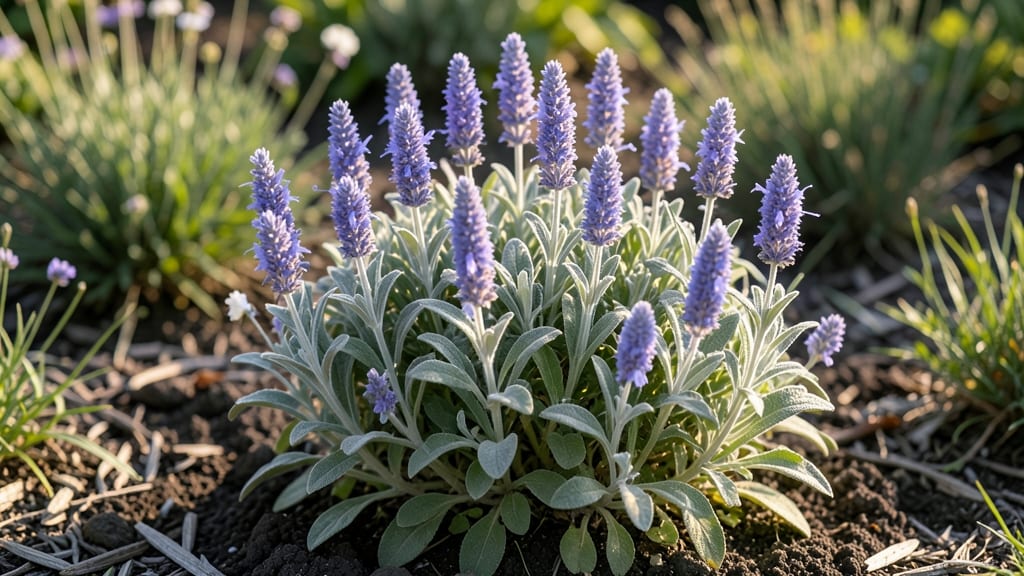
Nepeta’s bloom time is a late spring spectacle with those signature purple spikes, but the real magic happens when you coax it into reblooming all summer long. 🌿 I’ve grown catmint for years, and the secret isn’t just patience—it’s knowing the right cuts, light, and water to keep those flowers coming back.
Most varieties like 'Walker’s Low' or 'Six Hills Giant' start flowering around May in cooler zones, but in warmer climates, they might bloom as early as April. The key to repeat blooms? Deadheading spent flowers and giving them full sun—even a little shade can stretch out the season.
With proper care, your nepeta will keep flowering until first frost, with some late blooms appearing in fall. The fragrance alone makes it worth the effort—just brush your fingers over the leaves for a minty burst that repels pests naturally.
Works in zones 3-9, from alpine gardens to sunny borders. Here’s how to keep those purple spikes coming back stronger every year.
📚 In This Guide
- What you need
- Instructions
- Tips and common mistakes
- Wrapping up and next steps
What you need
- ● Nepeta plants: 1–3 Nepeta plants (e.g., Nepeta × faassenii, Nepeta racemosa, or Nepeta grandiflora), depending on desired coverage. Choose hardy perennials (zones 3–8) for year-round returns.
- ● Well-draining soil: 1–2 cubic yards of loamy, slightly alkaline soil (pH 6.0–7.0). Amend with compost (1 part compost to 3 parts soil) if your native soil is heavy or clay-heavy.
- ● Sunlight access: A full-sun location (6+ hours/day). Partial shade (4–6 hours) works for milder climates but may reduce bloom intensity.
- ● Watering tools: Hose with adjustable nozzle or drip irrigation system (to avoid wetting foliage, which can cause mildew).
- ● Watering can (for potted Nepeta).
- ● Planting tools: Garden trowel or hand shovel (for transplanting).
- ● Pruning shears (for deadheading and shaping).
- ○ Optional but helpful: Mulch (2–3 inches of gravel or organic mulch to retain moisture and deter weeds).
- ● Fertilizer: Balanced, low-nitrogen granular fertilizer (10-10-10) or slow-release pellets (apply sparingly—Nepeta thrives in lean soil!).
- ● Garden gloves (to protect hands from prickly stems).
- ● Know your last frost date—plant Nepeta outdoors 2–4 weeks after for best results.
- ● Check for pests or diseases in your area (e.g., powdery mildew). Start with disease-resistant varieties if needed.
- ● For container gardening, use pots with drainage holes (minimum 12-inch diameter for one plant).
How to maximize Nepeta bloom time for season-long purple spikes
Here's how I coax my nepeta to flower prolifically from early summer through fall—no tricks, just smart care.
🌱 Step 1: Plant in Full Sun and Well-Draining Soil
Nepeta thrives in 6+ hours of direct sun daily, so choose a south-facing spot with maximum light exposure. I always plant mine where morning sun warms the soil but afternoon light remains intense. The key is avoiding soggy roots—amend your garden soil with 25% perlite or coarse sand to improve drainage.
Dig a hole twice as wide as the root ball but only as deep. Loosen the roots slightly if they're circling tightly—they'll spread quickly once planted. Water deeply right after planting to settle the soil around the roots, but avoid creating a puddle at the base. You'll know you've got the right spot when the plant shows vigorous new growth within 2 weeks.
☀️ Step 2: Prune Strategically After First Blooms
When those first purple flower spikes appear, resist the urge to cut them back completely. Instead, trim each spent bloom cluster down to just above the next set of leaves. This encourages the plant to produce new side shoots that will flower again in 4-6 weeks. I always use clean, sharp pruners to avoid crushing stems.
Here's the thing—nepeta flowers on old wood, meaning it sets buds on stems from last year's growth. If you cut back too hard, you'll remove potential flowering sites. Watch for new growth emerging from the base after pruning—that's your signal the plant is recovering and preparing for another round of blooms.
💧 Step 3: Water Consistently but Avoid Overhead Moisture
Nepeta is drought-tolerant once established, but consistent moisture during its first growing season pays off in bigger blooms. Water when the top 2 inches of soil feel dry, typically every 5-7 days in summer. I always water at the base using a soaker hose to keep leaves dry—wet foliage invites powdery mildew, which can stunt flowering.
Reduce watering in late summer as the plant prepares for dormancy. You'll notice the leaves start to yellow slightly—that's normal and signals the plant is conserving energy for next year's growth. Let the soil dry out completely between waterings during this period to prevent root rot.
✂️ Step 4: Lightly Prune in Early Fall for Next Season
As temperatures drop below 50°F at night, give your nepeta a final trim. Cut back any dead or dying stems to 2-3 inches above ground level. This removes unsightly growth while protecting the crown from winter damage. I never remove more than ⅓ of the plant at this stage—you want to leave enough foliage to photosynthesize through late fall.
Mulch lightly with 2-3 inches of straw or shredded leaves to insulate the roots. This helps maintain even soil temperatures and protects against heaving during freeze-thaw cycles. In spring, you'll see fresh green shoots emerge within 2-3 weeks of last frost, ready to bloom again.
🌿 Step 5: Feed Sparingly for Continuous Blooming
Nepeta doesn't need heavy feeding, but a light application of 5-10-10 fertilizer in early spring gives it a boost for the first flush of blooms. I use about ½ teaspoon per plant mixed into the top inch of soil. Too much nitrogen produces lush foliage at the expense of flowers—your goal is balanced growth, not leafy monsters.
Skip fertilizing after mid-summer. The plant enters a natural growth slowdown, and extra nutrients will just encourage soft, tender growth that won't survive winter. You'll know you've got the right balance when your nepeta produces dense flower spikes every 6-8 weeks throughout the growing season.
Tips & tricks for perfect Nepeta flowering
These seasoned strategies will help your nepeta thrive and reward you with vibrant purple blooms all season.
Sunlight Optimization: While the instructions call for 6+ hours of direct sun, I've found that positioning your nepeta where it gets morning sun and afternoon shade in extreme heat (above 90°F) actually preserves more blooms. The intense afternoon sun can scorch the delicate flowers, so if you notice wilting, consider a light shade cloth during peak heat hours. This doesn't change your sun requirement but protects those stunning purple spikes once they appear.
Pruning Precision: When you're ready to trim those first spent blooms in Step 2, here's what I do differently: I always make my cuts at a 45-degree angle just above a leaf node. This creates a larger surface area for water absorption and encourages faster regrowth. The key is to never remove more than one-third of the plant's height at a time—this maintains the plant's energy balance for continuous flowering. Think of it like giving your nepeta a strategic haircut rather than a buzz cut.
Soil Science: The 25% perlite or coarse sand amendment in Step 1 is critical, but I take it further by adding a handful of composted leaf mold to the planting hole. This improves moisture retention while maintaining excellent drainage. Leaf mold also contains beneficial microbes that help the plant establish stronger roots faster. The result? You'll see that vigorous new growth within 2 weeks that the instructions mention, but with even more robust stems ready to support those beautiful flower spikes.
Winter Protection: In colder climates where temperatures drop below 20°F, I add an extra layer of protection during the fall pruning in Step 4. After cutting back and mulching, I place a thick layer of evergreen boughs over the crown. This creates a natural windbreak and insulates against extreme cold. In spring, I remove the boughs as soon as new growth appears—usually within those 2-3 weeks after last frost mentioned in the instructions.
Pro Tips for Nepeta Bloom Time
- These seasoned strategies will help your nepeta thrive and reward you with vibrant purple blooms all season.
- The intense afternoon sun can scorch the delicate flowers, so if you notice wilting, consider a light shade cloth during peak heat hours.
- Pruning Precision: When you're ready to trim those first spent blooms in Step 2, here's what I do differently: I always make my cuts at a 45-degree angle just above a leaf node.
Frequently asked questions
When does Nepeta typically bloom?
Nepeta (commonly called catmint) usually blooms in late spring to early summer, around May to June, but many varieties rebloom sporadically through fall. Some cultivars, like 'Walker’s Low,' may even produce light blooms in spring and fall with proper care.
How do I encourage longer or repeat blooming?
To extend Nepeta’s bloom time, deadhead spent flowers regularly and prune lightly after the first flush to promote new growth. Ensure it gets full sun (6+ hours/day) and well-draining soil. Water deeply but avoid overwatering—drought-tolerant varieties thrive with less moisture.
Why isn’t my Nepeta blooming as expected?
Common reasons include overcrowding (crowd out with other plants), excessive nitrogen (fertilize lightly with low-nitrogen feed), or shady conditions. If your plant looks leggy, trim back by 1/3 in spring to encourage bushier growth and more flowers.
Is Nepeta safe for cats despite its name?
While Nepeta is non-toxic to cats, its strong scent often attracts them—leading to the "catmint" nickname. Some cats may experience mild stimulation (like purring or rubbing), but it’s not harmful. Monitor playtime to prevent overindulgence.
What are good alternatives if Nepeta doesn’t thrive in my climate?
If your zone is too hot or humid, try Russian sage (Perovskia) (drought-tolerant, purple blooms) or lavender (Lavandula) (fragrant, low-maintenance). For cooler climates, salvia (Salvia nemorosa) or agastache offer similar long-lasting color.
Wrapping up and next steps
Nepeta’s vibrant purple blooms are a gardener’s dream—offering months of color with minimal fuss! Whether you’re a seasoned green thumb or a curious beginner, this hardy perennial rewards patience with low-maintenance beauty and pollinator-friendly charm. 🌿✨
Ready to invite more Nepeta magic into your garden? Start by exploring planting tips or discovering the best cultivars for your climate. Every spike of purple is a small victory—happy gardening!