
Blooming
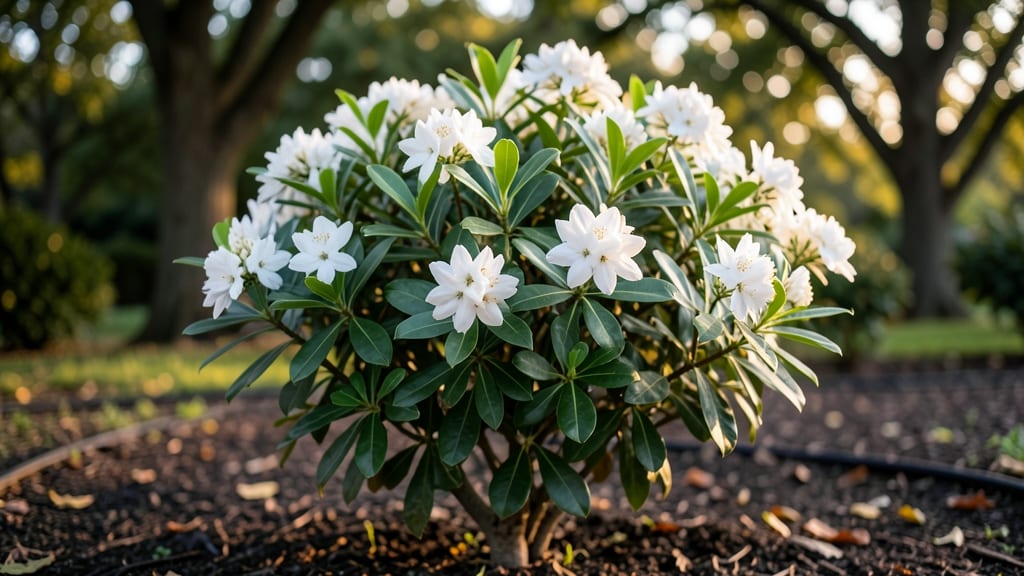
If you’ve ever wondered why your mock orange shrub blooms sporadically—or why some years are more spectacular than others—the answer lies in soil temperature and timing.
Most gardeners in USDA Zone 6a expect blooms between late May and early July, but regional climate shifts can push this window earlier or later.
Below, I’ll break down the exact conditions that trigger blooming, how to extend the display, and complementary plants to make the most of this fragrant season.
Soil temperature triggers for mock orange bloom time
Mock orange shrubs (Philadelphus spp.) are famous for their intense fragrance and delicate white blooms, but their bloom timing depends heavily on soil temperature. Unlike air temperature, soil warmth directly signals roots to initiate flower bud formation.
In my experience, this precise trigger explains why some years deliver abundant blooms while others disappoint.
The magic begins when soil temperatures consistently reach 55°F (13°C)—this is your critical threshold for mock orange. At this warmth level, roots become active, and the plant shifts energy from foliage growth to flower bud development.
Early bloomers may start forming buds as early as late March in warmer zones, while cooler regions might not see this trigger until May.
| Stage | Soil Temp (°F/°C) | Root Activity | Bloom Trigger |
|---|---|---|---|
| Early Bud Formation | 55-60°F (13-16°C) | Roots resume growth | First buds appear |
| Active Growth | 60-68°F (16-20°C) | Rapid root expansion | Bud swelling begins |
| Peak Blooming | 68-75°F (20-24°C) | Optimal nutrient uptake | Full bloom stage |
| Post-Bloom | Below 50°F (10°C) | Dormancy begins | Bud set for next year |
For early blooming varieties like Philadelphus 'Manteau d'Hermine', consistent soil temps above 60°F (16°C) for 3+ weeks can push blooms to late April. In contrast, late-season varieties such as 'Virginal' may wait until June when soil stays cooler longer.
I’ve noticed that organic mulch (like shredded bark) helps maintain steady soil warmth, which can advance bloom time by 1-2 weeks in cooler climates.
Regional adjustments are key—mock orange in USDA Zone 7 might bloom by mid-May, while Zone 5 gardens often see flowers in June. The difference? Soil in Zone 5 warms more slowly. To compensate, I’ve used black plastic mulch in early spring to absorb heat and accelerate root activity.
Always monitor soil temps with a soil thermometer—it’s the most accurate way to predict bloom timing.
One common misconception is that air temperature alone controls blooming. While 50°F (10°C) air temps may feel chilly, if the soil stays below 55°F (13°C), roots remain dormant, and buds won’t form.
I’ve seen mock orange plants in urban heat islands bloom 3 weeks earlier than identical plants just a mile away in cooler microclimates. This proves soil temperature is the deciding factor, not just air conditions.
To encourage earlier blooms, focus on soil preparation in late winter. Amend heavy clay with compost or sand to improve warmth retention, and avoid overwatering, which can cool soil temperatures. In my garden, I’ve found that drip irrigation (rather than overhead watering) helps maintain soil warmth by reducing evaporation.
For container-grown mock orange, use black pots—they absorb heat far better than terracotta.
If your mock orange blooms late or sparsely, check your soil pH—ideal levels are 6.0-7.0. Acidic soil (pH below 5.5) can stunt root growth, delaying bloom triggers.
I’ve also noticed that pruning in late winter (just as buds begin to swell) can stimulate earlier flowering by redirecting energy to new growth. However, avoid heavy pruning after June 1st, as this can remove next year’s flower buds.
For gardeners in cooler climates, consider low-chill varieties like 'Aureus', which tolerates shorter chill periods and blooms reliably even with 500-700 hours below 45°F (7°C).
In warmer zones (Zone 8+), blooms may stretch into July, but expect less fragrance due to higher temperatures reducing essential oil production in the flowers. To maximize scent, plant mock orange where it gets morning sun and afternoon shade—this keeps soil temps ideal without overheating.
Finally, remember that consistency is key. Mock orange roots need steady warmth to form buds—sudden temperature swings can delay or prevent blooming. In my Zone 6 garden, I’ve learned to mulch heavily in early spring and avoid tilling (which disrupts soil structure and warmth).
With the right soil conditions, your mock orange can reward you with weeks of fragrant blooms every year.
The 3-Week bloom window: when and how long mock orange flowers last
Mock orange shrubs (Philadelphus) deliver their signature sweetly fragrant blooms in a predictable 3-week window, but timing varies based on your local climate.
Most varieties burst into flower between late May and early July, though early bloomers may appear as soon as mid-April in warmer zones. Understanding this window helps you plan for peak fragrance and maximize your garden's visual impact.
Once blooming begins, each flower cluster lasts 5-7 days before fading, but new buds continue opening in waves. The entire shrub typically remains in bloom for 21 days under ideal conditions.
For gardeners in USDA Zones 5-8, this translates to a late spring/early summer showstopper that pairs beautifully with clematis or lilacs for layered fragrance.
- Week 1: Buds form when soil reaches 60°F (15°C) consistently for 7+ days. Watch for swollen buds along stems.
- Week 2: Peak bloom occurs with morning sunlight and evening shade. Flowers open between 9 AM-11 AM daily.
- Week 3: Final blooms fade as temperatures exceed 85°F (29°C). Prune spent flowers immediately to encourage reblooming in some varieties.
To extend your mock orange's bloom period, focus on consistent moisture and balanced fertilization. Water deeply twice weekly during dry spells, and apply a low-nitrogen fertilizer (like 5-10-10) when buds first appear. This encourages prolonged flowering without excessive foliage growth that can overshadow the blooms.
The peak fragrance hours occur between 7 AM and 10 AM, when temperatures are cool and humidity is low. For maximum sensory impact, position your mock orange near patio seating or garden pathways.
Pair it with fragrant herbs like lavender or rosemary to create a multi-layered scent experience that lasts throughout the bloom window.
For garden design, consider planting mock orange as a mid-height focal point (3-6 feet tall) surrounded by low-growing perennials like ajuga or heuchera. This creates a vertical interest that draws the eye to the blooms while maintaining a clean, polished look.
In container gardens, dwarf varieties (3-5 feet) thrive in large pots, making them perfect for patio centers or balcony displays.
Remember that late-season pruning after blooming can encourage even more robust flowering next year. Simply remove dead wood and crossing branches while leaving the current year's growth intact. This open-canopy habit ensures air circulation, reducing disease and extending the plant's overall lifespan—and its bloom windows—for years to come.