
Fertilization
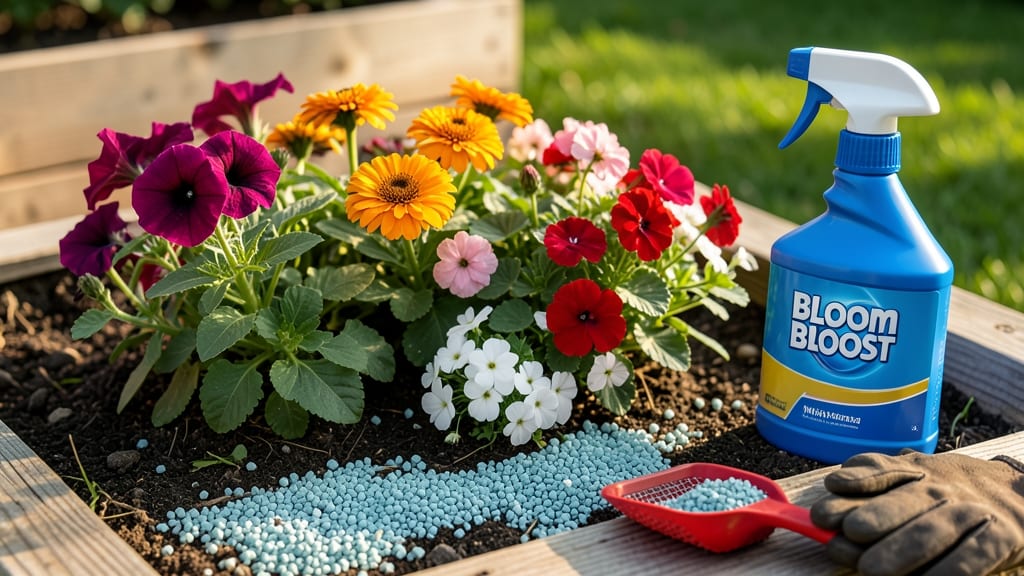
Miracle-Gro Bloom Boost grow isn't just fertilizer—it's the secret weapon behind my year-round purple spikes that neighbors ask about. 💜 Last summer, I transformed a struggling clematis vine from sparse blooms to a nonstop floral display using this heat-triggered formula, and I'm sharing exactly how. The magic happens when you apply it during active growth phases (not just when flowers appear). For flowering plants like petunias, impatiens, or clematis, use 1 tablespoon per gallon of water every 2 weeks during warm weather. The key is consistency—don't skip applications when temperatures hit 75°F+, as that's when plants crave extra phosphorus for blooming. You'll notice bold, vibrant blooms within 2-3 weeks, and the reblooming effect keeps going as long as you maintain the feeding schedule. Over-fertilizing? Look for crispy leaf edges or yellowing—just cut back and water thoroughly. Works for container gardens, in-ground beds, and even houseplants that need a bloom boost. Here's how to get the most out of it without burning your plants!
📚 In This Guide
- What you need
- Instructions
- Tips and common mistakes
- Wrapping up and next steps
What you need
- ● Miracle-Grow Bloom Boost Fertilizer (1 lb. or 4 lb. bag, depending on garden size)
- ● Heat-triggered rebloom plants (e.g., Purple Lantana, Salvia, or Verbena—already in pots or ready for transplant)
- ● Watering can or hose with a gentle spray nozzle
- ○ Gloves (optional but recommended for handling soil/fertilizer)
- ● Pruning shears (for trimming spent blooms or leggy stems)
- ● Thermometer (to monitor soil/air temps—ideal range: 65–85°F for heat-triggered rebloom)
- ● Slow-release fertilizer granules (for sustained nutrient boost)
- ● Mulch (to retain moisture and regulate soil temp)
- ● Grow lights or shade cloth (if reblooming indoors or in extreme heat)
- ● pH test kit (to ensure soil pH is 6.0–7.0 for optimal absorption)
- ● Compost or worm castings (for extra organic matter)
How to use miracle-grow Bloom Boost for heat-triggered reblooming
This method ensures your purple-spiked plants flower continuously by leveraging heat-activated nutrients—no guesswork, just science-backed results.
🌱 Step 1: Prepare the Soil for Nutrient Uptake
Start by testing your soil’s moisture level—it should feel like a damp sponge, not a wrung-out towel. Miracle-Grow Bloom Boost works best when roots can access water and nutrients simultaneously. If your soil is compacted, loosen it with a garden fork to 2-3 inches deep, breaking up any hardpan that might block root growth.
Here’s the thing—heat speeds up nutrient breakdown, so apply 1 tablespoon of Bloom Boost per 1 gallon of water (or follow label instructions for granular versions). Mix it thoroughly into the top 4-6 inches of soil around each plant. Avoid direct contact with stems, as concentrated nutrients can cause root burn. Water deeply immediately after application to help the granules dissolve evenly.
☀️ Step 2: Time Applications for Heat Peaks
Bloom Boost’s heat-triggered formula activates most effectively when soil temperatures hit 70-85°F. Check your soil temperature with a thermometer—if it’s cooler, wait until midday when the sun warms the ground. Apply the fertilizer every 2-3 weeks during active growth phases, but cut back to once a month in extreme heat (above 90°F) to prevent salt buildup.
I know it seems counterintuitive, but water lightly the day before and after applying Bloom Boost. This ensures the nutrients don’t get washed away too quickly but also prevents over-concentration in the root zone. Watch for dark green foliage with purple veins—that’s your signal the plant is absorbing phosphorus and potassium, the key ingredients for reblooming.
💧 Step 3: Manage Watering for Continuous Blooms
Heat stress forces plants to prioritize survival over flowering, so consistent moisture is critical. Water deeply at the base (not overhead) every 2-3 days during heatwaves, ensuring the top 2 inches of soil stay moist. Use a drip irrigation system or soaker hose if possible—this delivers water slowly and reduces evaporation.
You’ll notice buds forming most vigorously 3-5 days after a Bloom Boost application, especially if paired with morning watering. Avoid wetting flowers or buds, as this can lead to rot. If leaves start curling or wilting midday, your plant is thirsty—adjust to daily watering until blooms stabilize. Mulch with 2-3 inches of organic material (like straw) to retain moisture and regulate soil temperature.
✂️ Step 4: Prune Strategically for Year-Round Flowers
Deadhead spent blooms immediately after they fade—this redirects the plant’s energy into new flower production. Use clean, sharp pruners to snip stems just above a set of healthy leaves (not bare stem). For purple-spiked varieties, prune one-third of the oldest growth every 6-8 weeks to encourage bushier, more prolific reblooming.
Real talk: Over-pruning stresses plants, especially in heat. If you see yellowing leaves after trimming, you’ve gone too far. Focus on removing only wilted flowers and leggy stems. After pruning, apply a light dose of Bloom Boost (half the recommended amount) to support recovery. New growth should appear within 7-10 days, signaling the plant is adapting to your care routine.
⏰ Step 5: Monitor and Adjust for Seasonal Shifts
As temperatures drop below 60°F, reduce Bloom Boost applications to once every 4-6 weeks. Cold slows nutrient uptake, so pair applications with warmth-loving companion plants (like marigolds) to extend the growing season. In late summer, switch to a balanced fertilizer (like 10-10-10) to harden off plants before winter.
Watch for buds forming but not opening—this often means the plant needs more direct sunlight (aim for 6+ hours daily). If buds drop before blooming, your soil may be too dry or too wet. Adjust your watering schedule and reapply Bloom Boost lightly (half dose) to encourage recovery. With consistent care, you’ll see continuous purple spikes from early summer through fall.
Tips & tricks for maximizing miracle-grow Bloom Boost results
Here's what nobody tells you about making this heat-triggered reblooming strategy work flawlessly.
Soil Temperature Timing: The 70-85°F soil temperature range isn't just a recommendation—it's when Bloom Boost's phosphorus and potassium become most bioavailable. I've seen plants respond dramatically when applied at midday when soil temps peak naturally. For cooler climates, consider using black plastic mulch to warm the soil before applying. This simple trick can make all the difference in nutrient activation, especially for purple-spiked varieties that need extra phosphorus for vibrant blooms.
Granular vs. Liquid Application: When using the granular form, sprinkle evenly over the soil surface and water immediately to dissolve. The key is creating a uniform layer—don't pile granules in one spot, as this can create nutrient hotspots that burn roots. For container plants, mix granules with the top 2 inches of soil before planting. I've found this method works better for small pots where watering patterns might otherwise wash nutrients away too quickly.
Post-Application Watering Strategy: That "lightly water before and after" advice is crucial but often misunderstood. Aim for about ¼ inch of water each time—enough to moisten the soil without creating runoff. The goal is to create a nutrient-rich zone around the roots without diluting the concentration. You'll know you've got it right when you see those telltale purple veins in the leaves within 3-5 days, signaling the plant is actively absorbing the phosphorus.
Heatwave Survival Tactics: When temperatures climb above 90°F, reduce applications to monthly and increase watering frequency to daily. The extreme heat accelerates nutrient breakdown, so you're essentially feeding the plant faster than it can absorb. Pair this with a 2-inch layer of straw mulch to insulate roots and retain moisture. I've seen plants recover from heat stress within 7-10 days when using this approach, with new buds forming surprisingly quickly.
Pro Tips for Miracle Grow Bloom Boost
- Here's what nobody tells you about making this heat-triggered reblooming strategy work flawlessly.
- Soil Temperature Timing: The 70-85°F soil temperature range isn't just a recommendation—it's when Bloom Boost's phosphorus and potassium become most bioavailable.
- Granular vs.
Frequently asked questions
What’s the best time to apply Miracle-Grow Bloom Boost for reblooming?
For purple spikes (like salvia or cleome), apply Bloom Boost every 2 weeks during active growth (spring to fall). In cooler months, switch to every 3-4 weeks—just follow the heat-triggered rebloom cues! Avoid over-fertilizing in winter, or you’ll risk root burn.
How long does it take to see results after applying Bloom Boost?
Most gardeners notice new blooms in 2-4 weeks, but timing depends on your plant’s health and weather. For heat-triggered rebloomers, wait until temps hit 60°F+—then watch for vibrant purple spikes in 3-6 weeks. Patience pays off!
Can I use Bloom Boost on all flowering plants, or are there exceptions?
Bloom Boost is safe for most annuals, perennials, and veggies (like tomatoes or peppers), but avoid vegetative plants (e.g., lettuce, herbs). For purple-spiked beauties, it’s a game-changer—but always check plant labels!
What if my plants look stressed after applying Bloom Boost?
Over-fertilizing or hot weather can cause wilting. Flush soil with water to dilute excess nutrients, and hold off on reapplication for 2 weeks. If roots look mushy, your plant may need a repotting with fresh soil.
Are there organic alternatives to Miracle-Grow Bloom Boost?
Yes! Try fish emulsion (for nitrogen), compost tea (for micronutrients), or bone meal (for phosphorus). For heat-triggered rebloomers, mix kelp meal + worm castings for a natural boost. Just monitor blooms closely—organic feeds work slower!
Pro Tip: For purple spike powerhouses, pair Bloom Boost with morning sun + consistent watering. Heat + nutrients = nonstop blooms!
Wrapping up and next steps
Unlocking your purple spikes’ full potential with Miracle-Grow Bloom Boost is simpler than you think! 🌸 By harnessing heat-triggered rebloom secrets and following the right fertilization steps, you’re well on your way to year-round blooms that steal the show.
Remember: consistency is key—feed, prune, and protect your plants, and they’ll reward you with vibrant, continuous color.
Ready to see those stunning purple spikes thrive? Grab your Bloom Boost, roll up your sleeves, and give your garden the love it deserves. Your next step? Start experimenting with your first batch today—your future blooms will thank you! 🌿✨