
Blooming
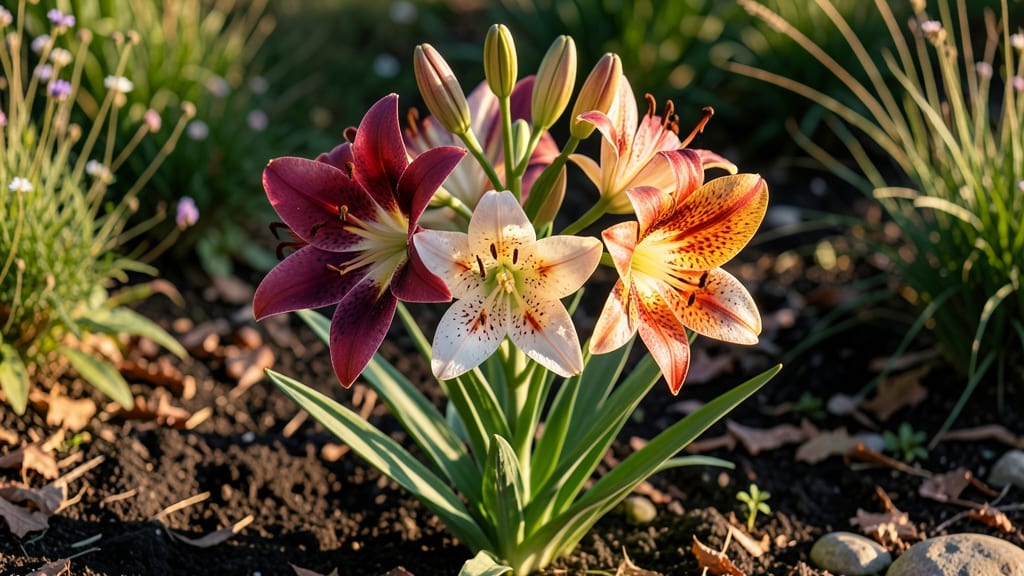
The lily bloom season transforms your garden into a purple paradise in late summer through early fall 🌸, but their timing depends on variety, sunlight, and your zone. Imagine waiting months for those iconic spikes to appear, only to see them fade in weeks.
Most purple lilies (like Stargazer or Casa Blanca) peak in August to September in cooler zones, while tropical types may bloom later. The key to extending their show? A few simple tweaks to soil, water, and sunlight can add 2-3 weeks of vibrant color.
Here’s the game-changer: deadheading spent blooms, feeding at the right time, and adjusting shade can trick lilies into reblooming. I’ll walk you through the exact steps—no chemicals, just nature’s way—to keep those purple spikes glowing longer.
Ready to turn a fleeting burst of color into a month-long spectacle? Let’s dive into the secrets of lily bloom season and how to make every spike count.
When do purple lilies bloom? Exact timing by variety & climate
Predicting when your purple lilies will bloom depends on variety, USDA zone, and local climate. Most purple lilies—like the iconic Stargazer or Casa Blanca—follow predictable seasonal patterns, but exact timing shifts with temperature and sunlight exposure.
For example, in USDA Zone 5, blooms often appear in late June to early July, while in Zone 9, they may stretch from May to August. Understanding these windows helps you plan for peak purple spikes and maximize their stunning displays.
Lilies are perennial plants that bloom annually, but their first-year flowers may be smaller or delayed. Purple Fox lilies, for instance, often produce their first blooms in year two after planting.
Meanwhile, Asiatic hybrids like Purple Sensation tend to bloom earlier in the season—sometimes as early as May in warmer zones—while Oriental lilies (like Stargazer) wait until late summer for their dramatic show. These differences matter if you’re designing a sequential bloom garden.
| Variety | Bloom Season (USDA Zone 5) | Bloom Season (USDA Zone 9) | Peak Bloom Time | Height (Mature) |
|---|---|---|---|---|
| Stargazer | Late July–Early August | June–July | Evening (fragrant) | 4–6 ft |
| Casa Blanca | Mid-July–Mid-August | May–June | Morning | 3–5 ft |
| Purple Fox | Early July–Late July | April–May | Afternoon | 2–3 ft |
| Purple Sensation | Late June–Early July | May–June | Midday | 2–4 ft |
| Black Out | Mid-July–August | June–July | Evening | 4–5 ft |
Sunlight plays a critical role in shifting bloom timing. Full-sun locations (6+ hours daily) often trigger earlier blooms, especially for Oriental lilies like Stargazer, which may bloom 2–3 weeks earlier in Zone 7 compared to partial shade spots.
Conversely, Asiatic lilies (like Purple Sensation) tolerate morning sun + afternoon shade and may bloom slightly later but produce longer-lasting flowers. If you’re in a hot climate (Zone 9+), afternoon shade can prevent heat stress, which delays blooming.
Temperature also dictates bloom predictability. Lilies need consistent warmth—typically 60°F+ daytime temps—to trigger flowering. In cooler zones (3–5), blooms may wait until late July or even August, while warmer zones (8–10) see blooms as early as April.
For example, Purple Fox lilies in Zone 9 might bloom in April, but in Zone 5, they’ll wait until July. To advance blooms, plant bulbs in early spring
5 Natural ways to extend lily bloom season without chemicals
Nothing beats the sight of purple lilies in full bloom—but their show often feels too short. The good news? You can stretch that bloom season by weeks using natural methods that skip harsh chemicals.
The key lies in understanding how lilies allocate energy between blooms and bulb storage. By tweaking a few care habits, you’ll encourage your plants to produce more flower spikes and prolong their vibrant display.
Most gardeners mistakenly believe that heavy fertilization equals longer blooms. In reality, over-feeding—especially with nitrogen—can shorten the bloom period by pushing foliage growth at the expense of flowers.
Instead, focus on balanced nutrition, strategic pruning, and smart watering to keep your lilies flowering longer. Let’s dive into the science-backed techniques that work without synthetic inputs.
🌿 5 Natural Ways to Extend Lily Bloom Season
- 1. Deadhead strategically: Remove spent blooms but leave the flower stalk. This redirects energy to produce side buds instead of seed pods, often yielding a second flush of blooms.
- 2. Boost potassium-rich compost: Lilies thrive with a 1:2:2 NPK ratio (low nitrogen, high phosphorus/potassium). Work in well-aged compost or banana peels (rich in potassium) to support flower production.
- 3. Water deeply in cycles: Soak the soil 1-2 times per week (1-2 cups per bulb) to encourage deep root growth, but avoid soggy conditions. Morning watering prevents fungal issues.
- 4. Plant pest-repelling companions: Surround lilies with garlic, chives, or marigolds to deter lily beetles and aphids, which stress plants and shorten bloom time.
- 5. Mulch with straw or leaves: A 2-inch mulch layer retains moisture, regulates soil temp, and reduces weeds competing for nutrients—all of which prolong bloom duration.
One of the biggest myths is that high-nitrogen fertilizers (like lawn food) will make lilies bloom longer. In truth, they do the opposite by promoting leafy growth at the cost of flower buds.
If you’ve over-fertilized in the past, flush the soil with water and switch to a phosphorus-potassium blend (like 5-10-10) to reset your lilies’ energy balance. This simple shift can add 2-3 weeks to your bloom season.
For Oriental lilies (like Stargazer), focus on partial shade in hot climates to prevent premature wilting. In contrast, Asiatic lilies (such as Purple Fox) crave full sun but benefit from afternoon shade in zones 8-10.
Adjusting their light exposure based on your region can delay the onset of seed pod formation, which signals the end of blooming.
Pro tip: If your lilies produce multiple stalks, prioritize removing only the weakest stalks first. This allows the strongest stems to mature fully, often resulting in a staggered bloom cycle.
Pair this with regular deadheading (every 3-5 days), and you’ll enjoy continuous blooms for up to 6 weeks instead of the usual 3.
Remember, the goal isn’t just to extend blooms but to strengthen your lilies’ bulbs for next season. By combining these natural methods, you’ll not only enjoy longer purple spikes this year but also set your garden up for even more dramatic displays in the future. Happy gardening! 🌸