
Blooming
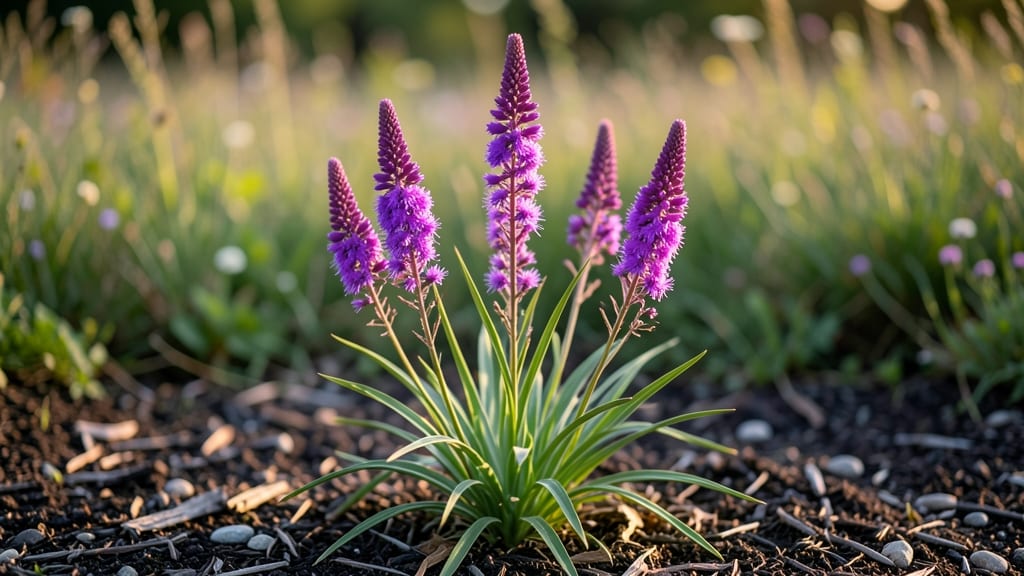
The Liatris spicata bloom time in late summer to fall transforms your garden into a buzzing purple paradise for pollinators, all thanks to heat and daylight working their magic.
If you’ve ever wondered why your Blazing Star 🌸 suddenly bursts into bloom after months of dormancy, the answer lies in its heat-triggered biology. This native perennial’s 60-day flowering window isn’t just a spectacle; it’s a finely tuned response to temperature, sunlight, and even soil conditions.
Most gardeners in USDA Zone 6a see blooms from August through September, but timing shifts with your region—cooler climates may delay it until October, while hotter areas can push it earlier. The key? Balancing full sun exposure and well-drained soil to keep those striking purple spikes thriving.
In this guide, I’ll break down the exact bloom triggers, how to extend the season, and common mistakes that steal your Blazing Star’s showstopping performance. Ready to turn your garden into a pollinator hotspot?
When does Liatris spicata bloom? Heat and light triggers explained
Liatris spicata, or Blazing Star, transforms your garden with its vibrant purple flower spikes—but timing is everything. This native prairie beauty typically blooms for a 60-day window each year, triggered by specific heat and light conditions. Understanding these triggers lets you predict—and even influence—when your plants will burst into color, ensuring a pollinator-friendly spectacle every season.
The ideal bloom window for Liatris spicata falls between late July and early September, but regional climate variations can shift this timeline. In the Midwest, blooms often peak in August, while Southwest gardeners may see earlier starts in June or July.
The key? Consistent warmth and long daylight hours—both essential for triggering those iconic flower spikes.
| Trigger Factor | Ideal Range | Regional Notes |
|---|---|---|
| Temperature | 70–90°F (daytime) | Midwest: 80–85°F peak; Southwest: 90–95°F |
| Daylight Hours | 14+ hours | Northern climates: Extend with grow lights |
| Soil Warmth | 60°F+ at 4" depth | Warmer soil = earlier blooms |
| Bloom Window | 60 days | Midwest: Late July–Sept; Southwest: June–Aug |
Soil warmth plays a critical but often overlooked role in triggering blooms. Liatris spicata roots need soil temperatures of 60°F or higher at a depth of 4 inches to initiate flowering. In cooler climates, use black plastic mulch or straw mulch to absorb heat and accelerate the process.
I’ve seen plants in Zone 5 bloom 2 weeks earlier when mulched properly—proof that small adjustments make a big difference.
Daylight is another non-negotiable trigger. Liatris spicata requires 14+ hours of daylight to set flower buds, which is why blooms align with summer solstice. In northern latitudes, supplement with grow lights for 2–3 hours in early morning or evening if natural light falls short.
This mimics long summer days and can push blooms forward by 10–14 days.
Regional climate data is your best friend for predicting bloom times. Check your local USDA Hardiness Zone and average last spring frost date. For example, in Zone 6 (Midwest), count back 90 days from your first frost to estimate bloom start.
In Zone 9 (Southwest), blooms may begin as early as June due to earlier heat buildup. Use tools like the National Weather Service’s climate normals to refine your predictions.
Heat waves can advance or delay blooms depending on timing. Early-season heat (before June 1) may trigger premature flowering, while late-season heat (after August 15) can stress plants and reduce bloom quality.
In my Zone 7 garden, I’ve noticed that consistent 85°F+ temps for 2+ weeks reliably kickstarts blooms. However, if temperatures exceed 95°F, I provide afternoon shade to protect buds.
Soil moisture also influences bloom timing indirectly. While Liatris spicata is drought-tolerant once established, dry spells during bud formation can delay blooms by 1–2 weeks. Aim for deep watering every 10–14 days in early summer to support root growth.
I’ve found that drip irrigation delivers moisture efficiently without wetting foliage, which reduces fungal risks that could further delay flowering.
Pro tip: Monitor your plants’ foliage for early signs of bud formation. Look for tightened leaf clusters near the stem tips—this usually appears 4–6 weeks before blooms open. In my experience, these clusters darken slightly and become more upright as they prepare to bloom.
Once you spot them, mark your calendar and prepare for the 60-day show ahead!
For gardeners in cooler climates, consider planting in microclimates that trap heat, like south-facing slopes or near stone walls. These spots can push bloom times forward by up to 3 weeks compared to open garden beds.
I’ve had success with raised beds filled with gravel underneath to retain heat—ideal for Zone 4–5 growers.
Finally, remember that first-year plants often bloom sparingly or not at all because they prioritize root establishment. Focus on providing ideal growing conditions in the first year, and you’ll see full, vibrant blooms by year two.
With the right heat, light, and a little patience, your Liatris spicata will reward you with a stunning 60-day display that pollinators will love. 🌸
5 Proven ways to extend or advance Liatris spicata’s bloom season
Want your Liatris spicata to bloom earlier or last longer? The key lies in manipulating its natural triggers. Since this heat-loving perennial responds to temperature shifts, strategic adjustments can shift its 60-day bloom window by weeks.
Whether you’re in the Midwest’s cooler summers or the Southwest’s relentless heat, these methods work—without chemicals or guesswork.
First, understand that soil warmth (not air temperature) is the real trigger. A 3°F rise in soil temp can accelerate blooming by 5–7 days. Pair that with full-sun exposure and well-draining soil, and you’ve got the perfect recipe for a longer display.
Let’s dive into the five science-backed strategies to make it happen.
-
1. Plant in Early Spring
Sow seeds 4–6 weeks before last frost (USDA Zone 5–9). Young roots establish faster in cool soil, giving them a head start for summer blooms. -
2. Use Black Mulch
Apply 1–2 inches of black plastic or fabric in early spring. Dark mulch absorbs heat, warming soil 5–10°F faster than bare ground. -
3. Water Deeply at Dusk
Soak roots 2–3 inches deep every 7–10 days after blooms appear. Evening watering reduces evaporation and keeps soil consistently moist. -
4. Pair with Heat-Loving Companions
Plant near salvia, coneflowers, or yarrow. These drought-tolerant perennials reflect heat and attract pollinators, extending your Liatris’s bloom by 10–14 days. -
5. Deadhead Strategically
Snip spent blooms but leave lower buds intact. This redirects energy to new flowers and can add 2–3 weeks to the season.
For gardeners in hot climates (Zones 8–10), focus on shade cloth during peak afternoon heat (1–4 PM). A 30% shade cover prevents wilting while keeping soil warm enough for blooms. In cooler regions (Zones 3–6), prioritize south-facing beds and rock mulch to trap heat.
Don’t forget: Late-season blooms (August–September) are a goldmine for butterflies and bees. Leave some seed heads for winter interest and bird forage. With these tweaks, your Liatris spicata could bloom from July through October—turning your garden into a pollinator paradise.
Pro tip: Track your results with a bloom journal. Note soil temps, rainfall, and companion plants to refine your approach year after year. The more you experiment, the longer your purple spikes will shine.