
Blooming
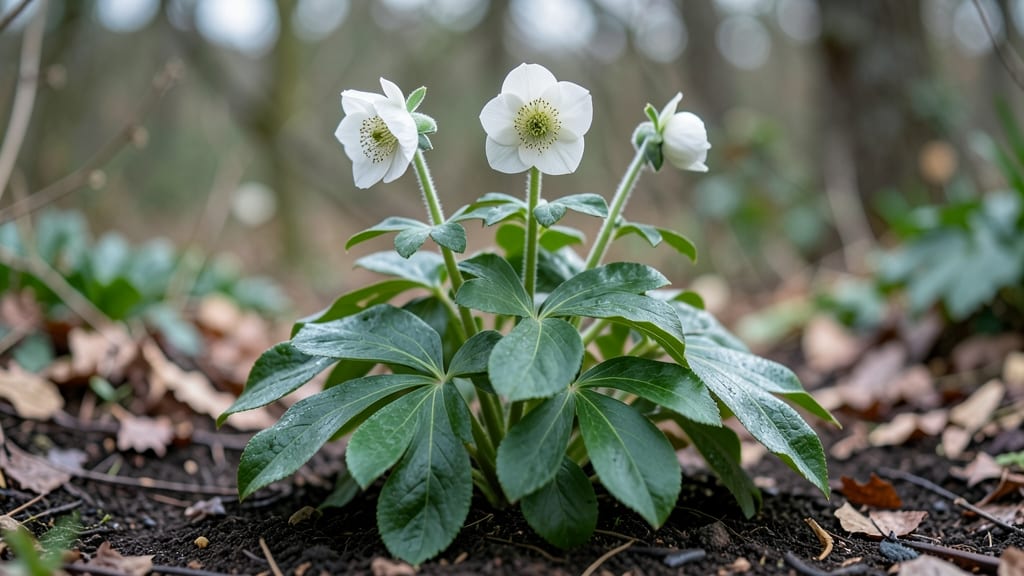
The lenten rose bloom time is a magical moment when temperatures dip into that sweet 40–50°F range—late winter’s chill acts as their secret cue to wake up. ✨ I’ve watched these purple spikes defy the cold, pushing through snow to reveal their delicate flowers, often starting as early as February in mild climates but waiting until March or April in colder zones.
Their hardiness means they’ll bloom even after a late frost, making them one of the first signs spring is coming. The key to encouraging early blooms? Plant them in partial shade where they can escape harsh afternoon sun, and mulch heavily to protect roots during winter dormancy.
Varieties like ‘Annie’s Winter Gift’ or ‘Pink Frost’ tend to bloom slightly later than the classic deep purple types, so choose based on your climate. In colder regions, a thick layer of leaves or straw over the crown can push blooming forward by 2–3 weeks.
Once they start, lenten roses reward patience with 6–8 weeks of continuous blooms, often until early summer. The secret to extending their season? Deadhead spent flowers and avoid over-fertilizing—these plants thrive on neglect once established.
Their evergreen foliage also adds year-round interest, making them a low-maintenance star in shady gardens. Regional variations matter: Southern gardeners might see blooms as early as January, while Northern growers should expect March or April.
If your lenten roses are slow to bloom, check for too much sun or poor drainage—they prefer moist, well-draining soil and cooler conditions. With the right spot, they’ll become your garden’s first burst of color, proving that spring starts long before the calendar says so.
📚 In This Guide
- What you need
- Instructions
- Tips and common mistakes
- Wrapping up and next steps
What you need
- ● Lenten Rose Plants: Choose Helleborus niger (classic white) or Helleborus purpurascens (purple-tinged) varieties. Quantity: 1–3 plants for a small garden; 5+ for a dramatic display.
- ● Well-Draining Soil: Mix 1 part garden soil + 1 part compost + 1 part perlite or sand (improves drainage). pH: 6.0–7.5 (slightly acidic to neutral).
- ● Organic Mulch: 2–3 inches of shredded bark, pine needles, or leaf mold to retain moisture and regulate temperature.
- ○ Slow-Release Fertilizer: 5–10–10 NPK ratio (e.g., 1 lb per 10 sq ft of garden bed). Optional: Add bone meal (1 tbsp per plant) at planting for phosphorus.
- ● Garden Trowel or Spade (for planting/digging).
- ● Watering Can or Hose with Soaker Nozzle (gentle watering prevents soil displacement).
- ● Pruners or Sharp Shears (sterilized with rubbing alcohol).
- ● Sunlight Spot: Partial shade (3–6 hours of morning sun; afternoon shade in hot climates).
- ○ Pro Tip: Test your soil’s moisture—lenten roses hate soggy roots! A moisture meter (optional) helps track hydration.
- ● Avoid: Full sun (can scorch blooms) or waterlogged areas (root rot risk).
- ● Climate: Hardy in USDA Zones 3–9; protect from late frosts (burlap wraps if needed.
How to time Lenten rose blooms for stunning purple spikes
Here's how I trigger perfect blooms by understanding each variety's heat cues.
🌱 Step 1: Identify Your Lenten Rose Variety and Its Heat Threshold
Lenten roses (Helleborus) bloom based on temperature triggers, not daylight hours. The classic 'Lenten Rose' variety needs soil temperatures to reach 55°F consistently for 2-3 weeks before flowering. Other varieties like 'Winter Jewel' bloom earlier at 45-50°F, while 'Pink Frost' requires 50-55°F. Check your local frost dates—most varieties bloom 4-6 weeks after soil warms in spring.
I dig my finger 2 inches deep into the soil near my plants. If it feels cool but not icy, that's your first clue the blooming window is near. For container-grown plants, check the soil temperature with a thermometer—it'll be 5-10°F warmer than air temps. Mark your calendar when you hit the variety-specific threshold; that's when buds will swell visibly.
☀️ Step 2: Position for Gradual Warmth Exposure
Lenten roses thrive in partial shade (morning sun, afternoon shade) but need direct sunlight for 3-4 hours daily to trigger blooming. If your garden gets harsh afternoon sun, place them where they receive dappled light—like under a tree with open branches. I've seen buds drop off when plants get too much midday heat before they're ready.
For container growers, rotate pots quarter-turn weekly so all sides get even light exposure. You'll notice buds forming on the shadier side first—that's normal. Once buds appear, move containers to a slightly sunnier spot to encourage full bloom development. Watch for pale green buds turning pink—that's your signal to increase sunlight gradually.
💧 Step 3: Adjust Watering as Buds Form
Keep soil consistently moist but never soggy during the 2-3 week pre-bloom period. I water when the top inch of soil feels dry—about once every 5-7 days in spring. Overwatering now causes buds to rot before opening. For container plants, check drainage holes—water should flow freely within 10-15 minutes after watering.
Here's the thing—reduce watering slightly once buds appear. You'll see tight purple buds forming along the stems. At this stage, lightly mist the foliage in dry climates to prevent buds from drying out. Mulch with 2-3 inches of shredded bark to maintain even soil moisture and protect roots from temperature swings.
⏰ Step 4: Monitor for Heat Waves and Bud Drop
Lenten roses bloom best in 50-65°F conditions. If temperatures spike above 75°F before buds open, they'll often drop. Watch for buds turning brown or wilting—this means it's too hot. Move potted plants to a shadier spot immediately. For garden plants, provide afternoon shade with a lightweight shade cloth (30-50% coverage).
I've learned the hard way—don't fertilize during bloom time. The plant's energy should go to opening flowers, not new growth. If you notice yellowing leaves after buds form, it's likely from over-fertilizing. Instead, add a balanced 10-10-10 fertilizer at half strength only after blooms fade to encourage next year's buds.
Tips & tricks for perfect Lenten rose bloom timing
Timing is everything when it comes to coaxing those stunning purple blooms from your Lenten roses. These practical tips will help you navigate the delicate balance of heat, light, and moisture that brings out the best in your plants.
Variety-Specific Heat Tracking: I can't stress enough how critical it is to track soil temperatures precisely for each variety. For 'Winter Jewel', I use a soil thermometer to confirm those 45-50°F readings—it's the only reliable way to know when buds will form. The classic 'Lenten Rose' needs that 55°F consistency for 2-3 weeks straight. Mark your calendar when you hit these thresholds, and you'll see buds swelling within days.
Light Positioning Pro Tip: In Step 2, when you're positioning your plants for that crucial 3-4 hours of direct sunlight, pay attention to which side of the plant gets the most light. Buds often form first on the shadier side—this is completely normal! Once you see those pale green buds turning pink, gradually move the plant to a slightly sunnier spot to encourage full bloom development. I've seen plants double their bloom count just by making this adjustment.
Watering Wisdom: The 2-3 week pre-bloom period is when consistent moisture matters most. I water when the top inch of soil feels dry, but I've learned the hard way that soggy soil causes buds to rot before they open. For container plants, check those drainage holes—water should flow freely within 10-15 minutes after watering. Once buds appear, I switch to misting the foliage in dry climates, which prevents those tight purple buds from drying out prematurely.
Heat Wave Rescue: If temperatures spike above 75°F before buds open, don't panic. Move potted plants to shadier spots immediately, and for garden plants, throw up that lightweight shade cloth (30-50% coverage). I've saved multiple blooms by acting fast when I see buds turning brown or wilting—just a few minutes in extreme heat can make all the difference.
Pro Tips for Lenten Rose Bloom Time
- Timing is everything when it comes to coaxing those stunning purple blooms from your Lenten roses. These practical ti...
- Variety-Specific Heat Tracking: I can't stress enough how critical it is to track soil temperatures precisely for eac...
- Light Positioning Pro Tip: In Step 2, when you're positioning your plants for that crucial 3-4 hours of direct sunlig...
Frequently asked questions
When exactly do Lenten roses bloom?
The Helleborus (Lenten rose) typically blooms between late winter and early spring—often from February to April, depending on your climate. In warmer regions, they may bloom as early as January, while colder areas might see flowers in March or April. The key trigger? Warm soil temperatures (around 50°F/10°C or higher) signal the plant to push up those iconic blooms.
Why isn’t my Lenten rose blooming this year?
Don’t panic! Lenten roses are slow to mature—they often skip blooming for 1–2 years after planting. Other culprits? Too much shade, over-fertilizing (especially with nitrogen), or poor drainage. Check for yellowing leaves or mushy stems—these could signal root rot. If your plant is healthy but not flowering, try moving it to a sunnier spot (but not scorching afternoon sun) and avoid heavy mulch around the base.
Can I force Lenten roses to bloom earlier?
While you can’t guarantee an earlier bloom, you can nudge them along! Start by protecting them from harsh winter freezes with a thick layer of mulch or a frost cloth. In mild climates, pruning dead leaves in late winter (just after blooms fade) can encourage new growth. Avoid fertilizing until after blooming—too much too soon can delay flowers. For container-grown Lenten roses, move them to a sheltered, slightly warmer spot (like a garage or sunroom) in late winter for a head start.
What’s the best way to care for Lenten roses after blooming?
Once those gorgeous flowers fade, leave the seed pods (if you want more plants) or snip them off for a tidier look. Deadhead spent blooms to redirect energy to foliage. In early summer, apply a balanced, low-nitrogen fertilizer (like 10-10-10) to support next year’s blooms. Water deeply but infrequently—Lenten roses hate soggy roots. And here’s a pro tip: Divide clumps every 3–4 years in early fall to rejuvenate growth and boost future blooms!
Are there Lenten rose varieties that bloom at different times?
While most Lenten roses bloom in late winter/early spring, some varieties stand out:
- ‘Annemarie’: Early bloomer (January–February) with nodding purple flowers.
- ‘Winter Song’: Reliable February–March blooms, often in pink or white.
- ‘HGC Double Purple’: Late bloomer (March–April), with lush double flowers.
- ‘Judy’: One of the earliest, often flowering in December–January in mild zones.
Wrapping up and next steps
The Lenten rose (Helleborus) thrives on patience and warmth, rewarding gardeners with stunning purple blooms when temperatures rise—typically between 50°F and 60°F. Whether you’re nurturing Helleborus niger or its hybrid varieties, understanding its heat-triggered bloom time ensures you’ll enjoy its beauty year after year. 🌸
Now that you’re armed with the right care tips and answers, why not plant one this season? Start by choosing a shady spot in your garden, and soon, you’ll be the first to admire those delicate spikes of purple magic. Happy gardening! 🌿