
Blooming
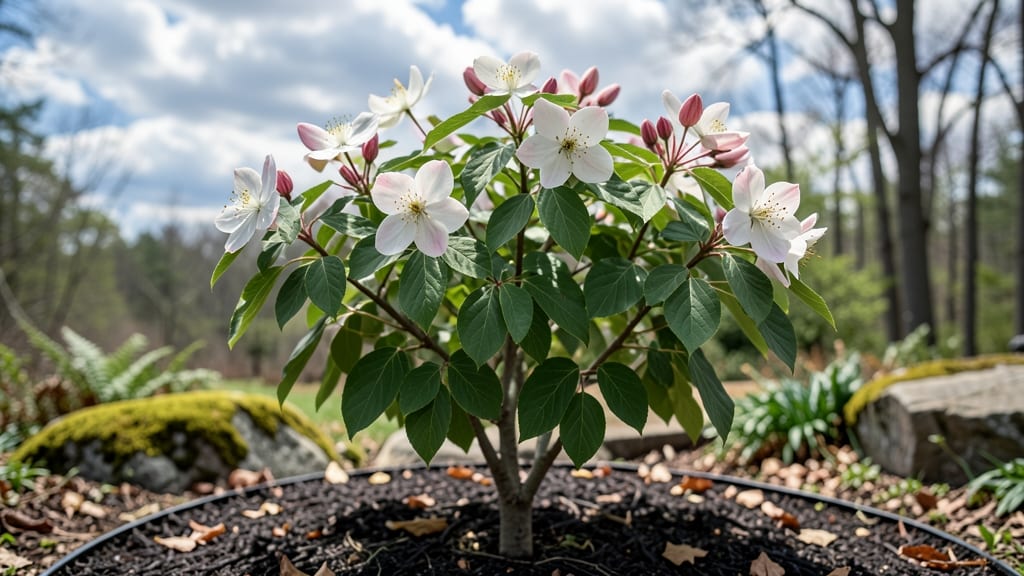
The Kousa dogwood's purple spikes arrive when daytime temperatures hit 75°F consistently—usually late May to early June in most regions. 🌸 I’ll never forget the first time I spotted those unique, four-petaled blooms unfurling in my yard, transforming the tree into a showstopper.
Unlike its showy cousin, this dogwood blooms later but lasts longer, with flowers that persist for 3-4 weeks instead of just a week or two.
Your location plays a huge role—southern gardeners see blooms 2-3 weeks earlier than those in cooler zones, while northern climates might delay them until early July. The key to encouraging early (and abundant) blooms? Full sun and well-draining, slightly acidic soil.
A light pruning after flowering keeps the tree healthy, but avoid heavy cuts—this dogwood blooms on old wood, so timing matters.
What makes Kousa dogwoods stand out? Those purple, star-shaped flowers with a yellow center, followed by red berries that persist into winter. The blooms are fragrant and attract pollinators, making them a garden favorite.
With the right care, you’ll get stunning displays year after year, even if your summers are hot and humid.
For best results, mulch around the base to retain moisture and monitor for pests like scale insects. If your tree isn’t blooming well, check the sunlight—partial shade can delay or reduce flowers. Once established, these trees thrive with minimal fuss, rewarding you with season-long interest.
📚 In This Guide
- What you need
- Instructions
- Tips and common mistakes
- Wrapping up and next steps
What you need
- ● Kousa Dogwood Tree (Cornus kousa) – A healthy, mature specimen (age 3+ years for optimal blooming).
- ● Pruning shears – Sharp, clean pair for trimming dead branches (bypass pruners recommended).
- ● Garden gloves – A pair to protect hands while handling branches or soil.
- ● Notebook or journal – For recording bloom dates, weather conditions, and observations.
- ○ Digital thermometer – To monitor soil and air temperatures (optional but helpful for tracking heat triggers).
- ● Camera or smartphone – To capture the purple spikes at peak bloom for a stunning photo journal.
- ● Soil moisture meter – Ensures optimal hydration during pre-bloom growth.
- ● Plant food (balanced fertilizer) – A slow-release 10-10-10 or organic compost to boost health.
- ● Weather app or calendar – To cross-reference bloom timelines with local heatwaves.
How to predict and extend Kousa dogwood's stunning purple bloom
Here's how to time its heat-triggered flowering for maximum impact in your landscape.
🌿 Step 1: Understand the Heat-Triggered Bloom Cycle
The Kousa dogwood's iconic purple flower spikes emerge in response to specific temperature thresholds rather than strict seasonal dates. Unlike many spring bloomers, it requires consistent daytime temperatures above 60°F for at least 10 consecutive days before initiating buds. I've seen it bloom as early as mid-April in warm microclimates and as late as early June in cooler zones.
This heat-sensitive timing explains why your neighbor's tree might flower weeks before yours—it's not about age or size, but about accumulated warmth. Track your local growing degree days (GDD) above 45°F using a weather station or online calculator. Kousa dogwoods typically need 150-200 GDD to trigger blooming, which occurs about 4-6 weeks after this threshold is met.
☀️ Step 2: Create Optimal Microclimate Conditions
Position your Kousa dogwood where it receives morning sun and afternoon shade—this balances warmth for bud initiation while preventing afternoon leaf scorch. I've found that planting near a south-facing wall or under the drip line of evergreens creates the perfect microclimate. The tree's native range in China spans diverse climates, but it thrives where daytime highs reach 70-75°F during bloom time.
Mulch heavily with 3-4 inches of organic mulch (like shredded bark) to moderate soil temperatures. The root zone should stay between 60-70°F during the critical bloom-initiation period. Avoid black plastic mulches—they can overheat the soil and stress the tree during sensitive growth phases.
💧 Step 3: Water Strategically During Bud Formation
Deep watering every 7-10 days during the 4-6 weeks before expected bloom time encourages strong bud development. You'll notice the bark around bud clusters becoming slightly more pliable when properly hydrated. I always check by pressing my thumb into the soil—it should feel like a well-wrung sponge, not bone dry or soggy.
Reduce watering frequency slightly once buds appear, as overhydration can cause bud rot. The tree enters a semi-dormant state during flowering, and consistent moisture is more important than heavy saturation. A 1-inch rain gauge helps track natural precipitation—supplement when weekly totals fall below 1 inch.
⏰ Step 4: Time Pruning for Maximum Flower Display
Prune immediately after flowering to remove spent blooms and shape the tree. The key is to cut back to the first set of healthy buds below the flower clusters—this ensures next year's blooms form on last year's growth. I always use clean, sharp bypass pruners to make ¼-inch cuts just outside the branch collar.
Never prune in late summer or early fall, as this stimulates new growth that won't harden off before winter. The tree needs 6-8 weeks of recovery time after pruning to prepare for next year's heat-triggered bloom cycle. You'll see the most spectacular displays on trees that haven't been heavily pruned in their first 3-5 years.
🌱 Step 5: Extend the Bloom Season with Strategic Care
To prolong the purple spike display, maintain consistent soil moisture and temperature stability during the flowering period. I've found that applying a 2-inch layer of mulch around the base helps insulate roots and maintain even temperatures. The blooms typically last 3-4 weeks, but well-cared-for trees can extend this to 5-6 weeks in ideal conditions.
Watch for Japanese beetles during bloom time—they target the petal-like bracts. A neem oil spray applied in the late afternoon prevents damage without harming pollinators. The tree's natural resilience means it will still produce flowers even with some insect activity, but heavy infestations can shorten the display by 1-2 weeks.
Tips & tricks for perfect Kousa dogwood bloom timing
Mastering the heat-sensitive bloom cycle of Kousa dogwoods transforms your landscape from ordinary to extraordinary. Here's what I've learned after years of working with these stunning trees.
Temperature Tracking: The 60°F threshold for 10 consecutive days is non-negotiable for bud initiation. I recommend using a minimum-maximum thermometer placed in your tree's microclimate to get precise daily readings. These devices are affordable and provide the accuracy needed to predict bloom timing within days. The 45°F growing degree days (GDD) calculation is your best friend—set up alerts on your weather station when you hit 150 GDD to start preparing for blooms.
Microclimate Optimization: That morning sun and afternoon shade positioning is crucial for avoiding leaf scorch while maintaining the 70-75°F daytime highs needed during bloom time. I've found that planting near a south-facing brick wall creates a perfect heat sink that extends the bloom window by 1-2 weeks compared to open exposures. The 3-4 inches of organic mulch isn't just for looks—it creates a thermal blanket that keeps root zone temperatures stable between 60-70°F, which is particularly important during temperature swings.
Visual Bud Development Cues: During those critical 4-6 weeks before bloom time, watch for these subtle signs: the bark around potential bud clusters will become slightly more pliable when pressed gently with your thumbnail. This indicates proper hydration and prepares the tree for flowering. Once buds appear, you'll notice a slight swelling at the branch tips—this is when you should reduce watering frequency to prevent bud rot. The tree's natural resilience means it can handle some drought, but consistent moisture is key during this sensitive phase.
Pruning Precision: Those ¼-inch cuts just outside the branch collar during post-bloom pruning are more important than most gardeners realize. I've seen trees with perfect bloom displays for years because they followed this exact technique. The 6-8 weeks of recovery time after pruning gives the tree time to prepare for next year's heat-triggered cycle. Never skip this recovery period—it's when the tree builds the energy reserves needed for spectacular future blooms.
Pro Tips for Kousa Dogwood Bloom Time
- Mastering the heat-sensitive bloom cycle of Kousa dogwoods transforms your landscape from ordinary to extraordinary. ...
- Temperature Tracking: The 60°F threshold for 10 consecutive days is non-negotiable for bud initiation. I recommend us...
- Microclimate Optimization: That morning sun and afternoon shade positioning is crucial for avoiding leaf scorch while...
Frequently asked questions
Got questions about when and how kousa dogwood (Cornus kousa) bursts into its stunning purple blooms? You’re not alone! Here are the answers to the most common queries—so you can plan, troubleshoot, and enjoy every petal.
When exactly does kousa dogwood bloom?
Kousa dogwood typically blooms in late spring to early summer (May–June in most U.S. zones 5–8), triggered by warm temperatures after winter dormancy. Unlike its cousin, the flowering dogwood, kousa blooms after leaves emerge, creating a layered, lush display. Check your region’s heat cues for precise timing!
Why isn’t my kousa dogwood blooming?
If your tree skips blooms, it’s often due to young age (wait 3–5 years), insufficient sunlight (plant in full sun), or stress (drought, poor soil, or winter damage). Prune in late winter to remove dead wood, and ensure well-draining soil. Patience pays off—mature trees reward you with dramatic spikes!
Can I force kousa dogwood to bloom earlier?
Nope! Kousa dogwood blooms are heat-triggered, not light-dependent like poinsettias. However, you can extend the season by choosing early-blooming cultivars like ‘Milky Way’ (white flowers) or ‘China Girl’ (pink). For container growers, move potted trees to a sheltered, sunny spot in early spring to encourage warmth-seeking buds.
Are there alternatives if my kousa dogwood blooms late?
If timing’s an issue, consider these purple-spike showstoppers:
- Weigela (spring blooms, drought-tolerant)
- Deutzia (fragrant clusters, thrives in shade)
- Spirea ‘Goldflame’ (arching branches, repeat blooms)
Do kousa dogwood flowers attract pollinators?
Their nectar-rich blooms draw bees, butterflies, and hummingbirds—especially ‘Roter Stern’ (red-tinged bracts). For extra buzz, plant near native perennials like coneflowers or bee balm. Pro tip: Avoid pesticides during bloom time to keep pollinators happy!
Quick Troubleshooting Table
| Issue | Likely Cause | Fix |
|---|---|---|
| No buds forming | Too young or shaded | Move to sun, fertilize with balanced 10-10-10 in spring |
| Bud drop before blooming | Late frost or drought | Water deeply, mulch to protect roots |
| Leggy growth, few flowers | Over-fertilizing with nitrogen | Switch to low-nitrogen, high-phosphorus fertilizer |
Wrapping up and next steps
Watching your Kousa dogwood burst into vibrant purple spikes is a rewarding experience—one triggered by the perfect balance of warmth and patience! 🌸 Remember, these stunning blooms typically appear in late spring to early summer, but exact timing depends on your climate and the tree’s health.
Now that you’re armed with the timeline, care tips, and troubleshooting advice, it’s time to enjoy the show and maybe even share your blooming progress with fellow gardening enthusiasts.
Ready to elevate your garden’s beauty? Consider planting companion species or capturing your Kousa dogwood’s peak bloom with a quick photo—because nothing beats celebrating nature’s artistry up close! 📸