
Blooming
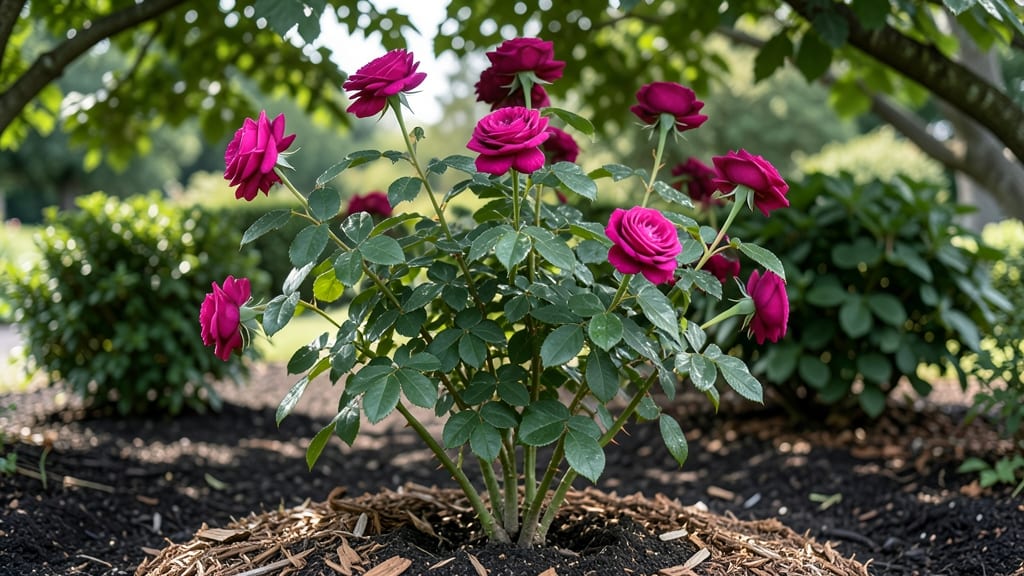
Your Knockout Roses 🌹 bloom time depends on when you prune, your zone, and how you feed them — and yes, even the weather plays a role.
If you’ve ever waited through April showers for those first buds only to see them fade by summer, you’re not alone. These roses are famous for their nonstop blooms, but their timing is a puzzle of climate, care, and variety.
In Zone 6a, expect the first flush in early June, with peak blooms stretching through August if you prune correctly. Late-season reblooms can surprise you into October, but only if you feed and water just right.
Below, I’ll break down the exact triggers for reblooming, zone-specific windows, and the 3 care secrets that keep your Knockout Roses flowering all season long.
When do Knockout roses bloom: seasonal & Zone-specific bloom windows
Knockout roses are famous for their year-round blooms, but their bloom windows shift dramatically depending on your USDA hardiness zone and local climate.
Unlike traditional roses, these shrubs don’t follow strict seasonal rules—they bloom when conditions are right, which often means earlier in cooler zones and later in hot climates. Understanding these patterns helps you plan for peak floral displays and adjust care routines accordingly.
The first flush of blooms typically arrives after last frost, but the exact timing varies by zone. In Zone 3-5, expect blooms as early as late May, while Zones 8-10 may see flowers appear by March or April.
Hotter climates can delay blooming until late spring if winters are mild, while colder regions may experience a shorter but intense bloom season.
Here’s how bloom windows break down by zone, including first flush timing, peak bloom periods, and late-season reblooms:
In cooler climates (Zones 3-5), knockout roses often bloom later due to slower soil warming. The first flush arrives in late May, with peak blooms stretching from June to August.
A late-season rebloom in September-October is common if temperatures stay mild. Pruning in early spring encourages earlier blooms, while deadheading spent flowers extends the season.
Warmer zones like 6-7 enjoy a longer bloom window, starting as early as May and continuing through November if frost doesn’t arrive. These regions benefit from regular deadheading to prevent energy drain and light pruning after each bloom cycle.
In Zone 6, for example, you might see three distinct bloom waves—spring, summer, and fall—if conditions are ideal.
Hotter climates (Zones 8-10) throw bloom timing off entirely. Roses in Zone 8 may start flowering as early as March, while Zone 10 roses can bloom year-round if winters never drop below 30°F. The key in these areas is shade protection during peak summer heat, which can stress plants and delay blooming. Mulching and deep watering help maintain consistent flowering.
Climate also plays a role in color retention. In hot, dry zones, blooms may fade faster due to sun scorch, while humid climates can encourage longer-lasting flowers.
For example, ‘Radrazz’ roses in Zone 9 often retain their deep red hue longer than in Zone 5, where cooler temps bleach petals more quickly. Adjusting watering schedules and providing afternoon shade can mitigate these effects.
To maximize blooms, time your fertilizing with the growing season. In Zones 3-5, feed in early spring to kickstart growth, while Zones 8-10 benefit from light feeding every 6-8 weeks to sustain continuous blooming. Avoid heavy fertilizing in
How to trigger reblooming in Knockout roses: pruning & care secrets
Knockout roses are legendary for their continuous blooms, but even these tough shrubs need the right care triggers to keep flowering nonstop. The secret lies in strategic pruning and seasonal adjustments that encourage new growth.
Unlike traditional roses, Knockouts don’t need a strict winter dormancy period to rebloom—with the right techniques, you can extend their bloom time from spring to frost. Let’s break down the exact steps that work.
First, understand that reblooming starts with pruning at the right time. Most gardeners make the mistake of pruning too late in the season, which cuts off potential blooms. Instead, time your cuts to late winter or early spring (just before new growth begins).
This removes old wood while preserving next year’s flower buds. For established shrubs, aim to reduce height by one-third—never more than that—to avoid shocking the plant.
⚠️ callout warning
⚠️ Critical Mistake Alert!
Pruning after June 1st can stop reblooming for the season. Late pruning removes flower buds that haven’t formed yet, leaving your rose bare for weeks. Deadhead instead—snip spent blooms above a leaf to redirect energy to new flowers.
💡 Pro Tip: Use clean, sharp shears to avoid tearing stems.
Deadheading is your secret weapon for nonstop blooms. As soon as a flower fades, snip the stem just above a five-leaflet leaf (this is where new buds form). This simple habit tricks the plant into thinking it’s still in bloom season, prompting it to produce more flowers.
For heavy bloomers like ‘Double Knock Out,’ deadhead weekly during peak season to maintain that lush, colorful display.
Don’t overlook seasonal care adjustments. In spring and fall, feed your roses with a balanced fertilizer (10-10-10) to support new growth. Skip heavy feeding in summer—too much nitrogen now can lead to leafy growth at the expense of flowers.
Instead, focus on consistent watering (deep soaks every 2-3 days) and mulching to retain moisture and regulate soil temperature.
If your Knockout roses seem dormant or slow to rebloom, check for hidden issues. Yellow leaves often signal overwatering or nutrient deficiency, while sparse blooms may mean too much shade or poor pruning.
Revive struggling plants by trimming back dead wood, adding compost to the soil, and ensuring they get at least 6 hours of sun daily. With these adjustments, even lagging varieties can bounce back.
With the right pruning schedule, deadheading routine, and seasonal care, your Knockout roses will reward you with year-round color. The key is consistency—stay on top of maintenance, and you’ll enjoy those bold blooms from spring through fall. Happy gardening! 🌹