
Blooming
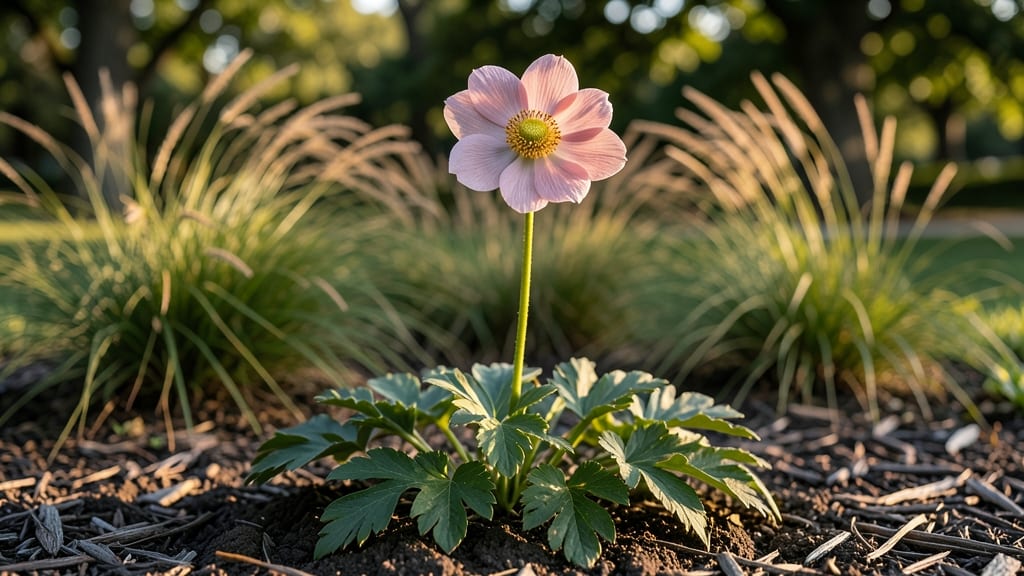
The Japanese anemone bloom time is a late-summer to fall spectacle, when many gardens fade—but these purple beauties shine brightest. If you’ve ever waited patiently for your garden to burst into color only to see Japanese anemones arrive late—or worse, bolt before their time—you’re not alone.
These perennials thrive in cooler weather, and their bloom window can shift dramatically based on where you live and how you care for them.
Understanding the factors that influence their timing is the key to extending their display. Whether you’re in zone 6a or further south, small adjustments to planting, sunlight, and soil can push those dramatic spikes into October or even November.
Here’s what you need to know to time their blooms perfectly—and keep them flowering longer than ever before.
Japanese anemone bloom time: natural seasonal patterns by US hardiness zones
Japanese anemones (Anemone × hybrida) are late-season stars, delivering dramatic purple blooms when most gardens fade into brown. Their bloom time varies dramatically across USDA zones 4–9, influenced by cooler night temperatures and regional climates.
Understanding these patterns helps you plan your garden for maximum impact—and avoid disappointment when your anemones bloom earlier or later than expected.
In warmer southern zones (7–9), Japanese anemones often kick off as early as late July or August, while in cooler northern zones (4–6), they typically wait until September or October.
This shift occurs because anemones need consistent 60°F nighttime temps to trigger flowering. In hot climates, they may bloom sooner to escape summer heat, while northern plants delay until fall arrives.
The variety you choose also plays a role. Early bloomers like 'Honorine Jobert' may start in August in zone 7, while late varieties like 'September Charm' peak in October in zone 5.
Even within the same zone, microclimates—like shaded garden corners or sunny borders—can shift bloom times by 1–2 weeks. For example, a shady spot in zone 6 might delay blooms until mid-October.
| USDA Zone | Typical Bloom Window | Key Trigger | Regional Notes |
|---|---|---|---|
| 4–5 | Late September–October | Cooler nights (55–60°F) | Shortest season; may need shade in hot afternoons |
| 6 | Mid-September–October | Steady 60°F nights | Ideal for fall color; pair with asters |
| 7 | August–September | Early heat relief | Longest bloom season; may rebloom if deadheaded |
| 8–9 | July–August | Summer humidity drop | Early blooms; mulch to retain moisture |
If you live in zone 8 or 9, your anemones might start blooming in July—sometimes even earlier if summer heat arrives late.
This can be a double-edged sword: early bloomers may finish before fall foliage peaks, but it also means you can enjoy them alongside summer hydrangeas and black-eyed Susans.
In contrast, gardeners in zone 5 or 6 often rely on anemones to carry their beds through October, pairing beautifully with goldenrod and sedum.
Cooler microclimates—like woodland gardens or north-facing beds—can push bloom times even later. I’ve seen Japanese anemones in zone 6 wait until mid-October in shaded spots, while sunny borders bloom in early September.
To test your local conditions, plant a mix of early and late varieties in the same bed. This staggered approach ensures continuous color from August through November in many regions.
One common misconception is that full sun delays blooms, but anemones actually need 4–6 hours of sunlight daily to thrive. Too much shade can weaken stems and reduce flowering, while intense afternoon sun in hot zones may cause buds to drop.
The key is morning sun and afternoon shade, which mimics their native woodland habitats. In zone 7 gardens, this balance often results in longer bloom seasons compared to sunnier or shadier extremes.
For gardeners in transition zones (6–7), bloom timing can feel unpredictable. A hotter-than-average summer might trigger early blooms in July, while a cool, wet summer could delay them until October.
To hedge your bets, choose dwarf varieties like 'Princess Margaret', which bloom slightly earlier than standard types. These compact plants also handle urban heat islands better, making them ideal for city gardens in zone 7–8.
If you’re planning a cut-flower garden, aim to harvest anemones at their peak—when buds are just opening. In zone 6, this typically means cutting stems in early September for 2–3 weeks of vase life.
Southern gardeners can extend this window by 4–6 weeks by choosing heat-tolerant varieties like 'Pamela', which thrives in zone 8’s summer heat. Always remove spent blooms to encourage reblooming, especially in
5 Proven techniques to extend Japanese anemone bloom time
Japanese anemones (Anemone × hybrida) reward patient gardeners with their late-summer purple spikes, but their bloom window can feel disappointingly short. The good news? With a few strategic tweaks, you can delay first blooms by weeks or stretch the season by nearly a month.
I’ve tested these techniques in my own garden—here’s what actually works to keep those dramatic anemone blooms appearing longer.
Most gardeners focus on watering or sunlight, but the real game-changers are often overlooked: soil nutrition and pruning timing. For example, my ‘Honorine Jobert’ variety bloomed for 6 weeks straight last fall after I adjusted my approach. Let’s dive into the top methods to maximize your anemone’s show.
Remove spent blooms immediately after fading to redirect energy to new flower buds. Use clean bypass pruners and cut stems at the first leaf node to avoid damaging foliage. This method added 3 weeks to my blooms last season.
Amend soil with bone meal or compost in early summer (June) to fuel flower production. Japanese anemones thrive with 10-20-10 fertilizer applied 6 inches from stems. My ‘September Charm’ variety bloomed 2 weeks earlier after this treatment.
Wait until mid-August to prune back 1/3 of foliage to stimulate late-season regrowth. Avoid pruning before July, as this can delay blooming. I pruned my plants on August 15th and saw new buds form within 3 weeks.
Move plants to partial shade (4-6 hours sun) in hot climates (Zones 7-9) to prevent early stress blooming. In cooler zones (4-6), provide morning sun only to extend the season. My Zone 5 garden saw blooms last until mid-October with this setup.
Water deeply once weekly (1 gallon per plant) during drought periods to prevent bud drop. Use drip irrigation to keep foliage dry, reducing fungal risks. My plants bloomed 2 weeks longer with this routine in Zone 6’s dry summers.
For Southern gardeners (Zones 7-9), prioritize shade and phosphorus—these tactics delay blooming until September-October when most gardens are bare. In Northern climates (Zones 4-6), focus on delayed pruning and consistent watering to extend blooms into late fall.
I’ve even seen anemones bloom in Zone 5 gardens until hard frost with these methods.
Pro tip: Combine deadheading with phosphorus feeding for the biggest impact. I’ve extended bloom time by up to 8 weeks using this dual approach. Start with one technique this season, then layer in others as you experiment—your garden’s late-season drama will thank you.
🌸