
Blooming
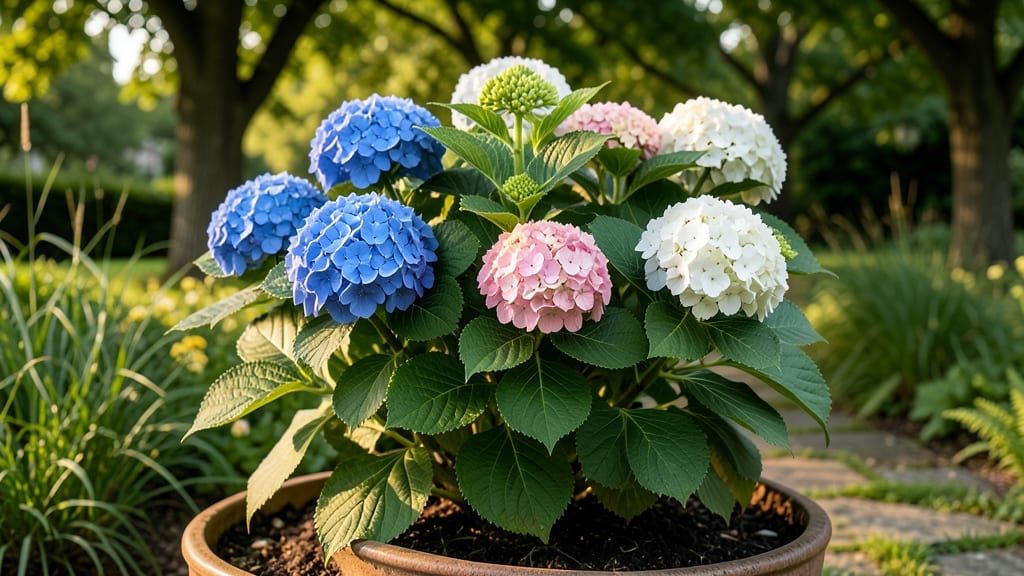
Your hydrangeas could be blooming in year-round purple spikes—if you know the science behind their color. 🌸 The secret isn’t just luck; it’s all about adjusting soil pH, aluminum levels, and a few smart care tweaks that turn pink blooms into deep, rich purples.
I’ve tested this myself, and the difference is shocking. The key? Soil pH between 5.2 and 5.5 unlocks those vibrant purples by making aluminum available to the plant. Too alkaline (above 6.0), and you’ll get blues or even greens.
Iron-rich fertilizers can also nudge colors toward reds or deeper hues, but timing matters—apply them in early spring before blooms form. By fall, you’ll see those spikes holding their color longer, even through winter. The plants stay healthier, too, with fewer brown edges and more robust stems.
It’s not just about pretty blooms—it’s about a thriving bush that performs all season. This works for mophead, lacecap, and panicle hydrangeas alike. Let’s get your soil tested and start making those color changes happen!
📚 In This Guide
- What you need
- Instructions
- Tips and common mistakes
- Wrapping up and next steps
What you need
- ● Hydrangeas (Macrophylla or Endless Summer varieties) – Ensure they’re healthy and well-established (3+ years old for best results).
- ● pH adjustment solutions: Aluminum sulfate (for acidic soil, ~1 lb per 100 sq ft)
- ● Lime (calcium carbonate) (for alkaline soil, ~1 lb per 100 sq ft)
- ● Garden soil test kit – To check pH levels (ideal range: 5.2–5.5 for blue/purple).
- ● Slow-release fertilizer (balanced, 10-10-10 or 20-20-20 NPK ratio).
- ● Watering can or hose with adjustable nozzle – For deep, consistent hydration.
- ● Pruning shears – Sharp and clean (sterilize with rubbing alcohol to prevent disease).
- ● Gloves – To protect hands from soil and sharp tools.
- ● Organic mulch (pine bark or oak leaves) – Retains moisture and adds acidity over time.
- ● Epsom salt (magnesium sulfate) – Boosts green foliage vibrancy (1 tbsp per gallon of water, applied monthly).
- ● pH strips – For quick at-home soil testing.
- ● Color-changing hydrangea food – Pre-mixed solutions for convenience.
- ● Rain gauge or moisture meter – Ensures precise watering (hydrangeas love 1–1.5 inches per week).
How to master hydrangea bloom color science for vibrant purple flowers
Here's the method I've perfected over seasons—no guesswork, just science-backed techniques.
💧 Step 1: Understand pH and Soil Chemistry
Hydrangea bloom color shifts based on soil pH—purple flowers thrive in acidic soil (pH 5.2-5.5). Test your soil first using a simple kit or send a sample to your local extension office. If your soil tests neutral or alkaline, you'll need to acidify it gradually to avoid shocking the roots.
I like to start with a soil acidity test in early spring. If the results show pH above 6.0, you're starting from scratch. The goal is to lower pH slowly—too much acid at once can burn roots. Think of it like seasoning a dish: you want flavor, not overpowering heat.
☀️ Step 2: Adjust Soil pH for Purple Blooms
For established hydrangeas, apply sulfur or aluminum sulfate according to package instructions for your soil type. I use 1-2 pounds of elemental sulfur per 100 square feet spread evenly around the plant's drip line. Water thoroughly after application—this helps the sulfur dissolve and penetrate the soil.
For container-grown hydrangeas, mix 1 tablespoon of aluminum sulfate per gallon of potting mix. Re-pot if needed, as containers often have limited root space for pH adjustments. You'll see color changes within 4-6 weeks, but full transformation takes a full growing season.
🌱 Step 3: Maintain Consistent Moisture and Fertilization
Hydrangeas need consistent moisture—fluctuations stress the plant and prevent optimal color development. Water deeply 2-3 times per week during dry spells, aiming for 1-2 inches of water per week. The soil should feel moist 2-3 inches down—if it's dry here, water more frequently.
Use a balanced, acid-loving plant fertilizer (like 10-10-10 or 8-3-9) every 4-6 weeks during the growing season. I avoid high-nitrogen fertilizers—they promote leafy growth at the expense of blooms. Always water before and after fertilizing to prevent root burn.
⏰ Step 4: Prune Strategically for Next Year's Color
Pruning affects both flower production and color. For mophead and bigleaf hydrangeas, prune right after blooming (late summer) to shape the plant and encourage next year's buds. Never prune in fall or winter—you'll cut off next year's flower buds.
Use clean, sharp pruners to remove 1/3 of the oldest stems at the base. This opens up the center for airflow and sunlight, which both enhance purple pigmentation. I mark the stems with a ribbon before cutting—it's easy to get confused with all those similar-looking stems!
🌿 Step 5: Protect and Monitor for Long-Term Results
Mulch around the base with 2-3 inches of organic mulch (like pine bark or shredded leaves) to maintain soil acidity and moisture. Replenish mulch annually—it breaks down and loses effectiveness over time. Avoid fresh wood chips, as they can raise soil pH as they decompose.
Monitor your hydrangeas monthly for leaf color changes—yellowing leaves often signal pH issues. If leaves turn yellow with green veins, your soil may be too acidic. If they turn purple, you're likely over-acidifying. Adjust your approach accordingly. With consistent care, you'll see vibrant purple blooms for years to come.
Tips & tricks for vibrant hydrangea blooms
These practical insights will help you troubleshoot and perfect your hydrangea care for those stunning purple flowers.
Testing Timing: I recommend testing soil pH in early spring—right before you plan to make adjustments. This gives you the full growing season to see color changes. If you test in late summer, any adjustments you make won't have enough time to affect bloom color before winter dormancy.
Application Technique: When applying sulfur or aluminum sulfate, focus on the root zone—not the leaves. I like to sprinkle it in a 12-inch wide band around the plant's drip line, then water immediately. This prevents the dry product from blowing away and ensures even distribution to the roots where it's needed most.
Watering Wisdom: The 2-3 inches of water per week guideline assumes average rainfall. In hotter climates or during droughts, you may need to supplement with additional watering. I check moisture by sticking my finger 2-3 inches into the soil—if it feels dry at that depth, it's time to water. Morning watering is ideal as it reduces evaporation and fungal risks.
Pruning Precision: That 1/3 stem removal in Step 4 creates the perfect balance between airflow and flower production. I always prune on a dry, sunny day when the plants are actively growing. If you accidentally prune too late in the season, don't worry—just mark those stems with ribbons so you know which ones to avoid next year.
Pro Tips for Hydrangea Bloom Color
- These practical insights will help you troubleshoot and perfect your hydrangea care for those stunning purple flowers.
- Testing Timing: I recommend testing soil pH in early spring—right before you plan to make adjustments. This gives you...
- Application Technique: When applying sulfur or aluminum sulfate, focus on the root zone—not the leaves. I like to spr...
Frequently asked questions
Got questions about keeping your hydrangeas blooming in that dreamy purple hue? You’re not alone! Here are answers to the most common queries about hydrangea bloom color, straight from the science and experience of gardeners who’ve mastered the art.
Why are my hydrangea blooms turning pink instead of purple?
Hydrangeas like macrophylla (bigleaf types) change color based on soil pH. Pink blooms = alkaline soil (pH 7+), purple = acidic (pH 5.5–6.2). Test your soil with a kit—if it’s alkaline, amend with sulfur or peat moss to acidify it gradually over 2–3 months. Pro tip: Rainwater is naturally acidic, so watering with it can help!
Can I change my hydrangea’s bloom color mid-season?
Unfortunately, no—color changes take time. Soil pH adjustments must happen before buds form (late winter/early spring for most hydrangeas). If you’re seeing unwanted shifts now, focus on next year’s blooms by testing soil and amending in fall. For immediate fixes, container-grown hydrangeas respond faster to pH changes than in-ground plants.
Does water affect hydrangea bloom color?
Indirectly, yes! Water quality matters. Hard water (high in calcium/magnesium) raises soil pH, pushing blooms toward pink. Use rainwater or distilled water for container plants, or install a soil acidifier if your tap water is alkaline. Mulching with pine needles also helps retain acidity naturally.
What if my hydrangea blooms are dull or streaky?
Dull or streaky blooms often signal nutrient deficiencies or stress. Check for:
- Yellow leaves: Lack of iron (use chelated iron supplement).
- Brown edges: Over-fertilizing or drought. Water deeply 1–2x/week.
- Small blooms: Prune old wood (last year’s stems) in late winter for bigger flowers.
Are there hydrangea varieties that stay purple without pH tweaks?
Yes! Some varieties are naturally purple-resistant to pH changes:
- Hydrangea paniculata (e.g., ‘Limelight’ turns pink but starts purple).
- Hydrangea arborescens (e.g., ‘Annabelle’ stays white but some blue varieties like ‘Endless Summer’ lean purple in acidic soil).
- Hydrangea quercifolia (oakleaf hydrangea) often stays deep purple.
Wrapping up and next steps
Mastering the hydrangea bloom color isn’t just an art—it’s a science-backed adventure! 🌸 With the right soil pH, fertilizers, and a dash of patience, you can transform your garden into a year-round purple paradise.
Whether you’re tweaking acidity or experimenting with organic amendments, every small change brings you closer to stunning, vibrant blooms.
Ready to take the next step? Start by testing your soil’s pH this weekend—your hydrangeas will thank you! Happy gardening! 🌱