
Blooming
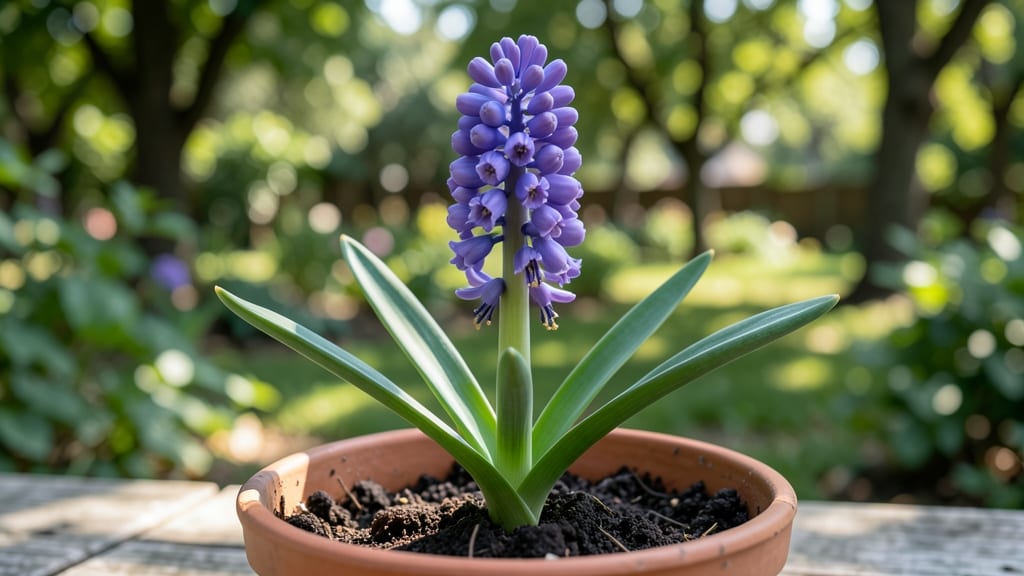
Hyacinths bloom in March and April 🌷, turning your garden into a fragrant paradise—but only if you plant them at the right time.
Picture this: you’re stepping outside in early spring, and the air is thick with the intoxicating scent of sweet hyacinths. That dreamy scene starts with 6-8 weeks of cold soil before the last frost, a window most gardeners miss.
Get it right, and you’ll enjoy those vibrant spikes in just three weeks.
Timing matters more than you think. Plant too early, and the bulbs rot in wet soil. Too late, and you’ll wait until next year for blooms.
I’ll walk you through the exact months for your zone, how to force early blooms, and the simple tricks to extend their beauty—no guesswork, just results.
Ready to transform your garden into a springtime perfume factory? Let’s dive into the secrets of perfect hyacinth bloom time—so you can enjoy those fragrant spikes year after year.
Hyacinth bloom time: exact planting months for fast, fragrant flowers
Hyacinths are famous for their intense fragrance and vibrant color, but timing is everything. To unlock that 3-week bloom cycle, you must plant bulbs at the optimal seasonal window.
The key? Understanding your USDA zone and soil temperature—both dictate whether your hyacinths will burst into bloom or stay dormant.
Most gardeners focus on fall planting for spring blooms, but spring planting is also possible in warmer zones. The difference? 6-8 weeks of cold dormancy triggers blooming. Miss this window, and you’ll wait an extra year for those sweet-scented spikes. Let’s break down the exact months for your region.
| USDA Zone | Fall Planting Month | Ideal Soil Temp | Bloom Time | Spring Planting? |
|---|---|---|---|---|
| 3-4 | September | 50-60°F | April-May | No |
| 5-6 | October | 55-65°F | April-May | No |
| 7-8 | November | 60-70°F | March-April | Yes (Jan) |
| 9-10 | December | 65-75°F | February-March | Yes (Feb) |
🌷 Note: Spring planting works in warmer zones but requires cold treatment (6 weeks at 40°F) to mimic dormancy.
In USDA zones 3-4, plant hyacinth bulbs in September for a spring bloom in April-May. The soil should be cool (50-60°F) but not frozen. In zones 5-6, wait until October—the ground stays workable longer, and the 6-week cold period ensures robust blooms.
Southern gardeners in zones 7-10 have flexibility. Plant in November-December for winter blooms (March-April), or try spring planting in January-February with a cold treatment. This mimics the dormancy period hyacinths need to trigger flowering.
Just place bulbs in a cool, dark spot (like a fridge) for 6 weeks before planting.
Frost is your biggest enemy—plant too late, and bulbs may rot before blooming. In northern climates, aim to finish planting by 6 weeks before first frost. In southern zones, frost is less of a concern, but heat stress can delay blooms if planted too early.
For a guaranteed 3-week bloom cycle, plant bulbs at 6 inches deep and 6 inches apart in well-draining soil. Add a layer of compost to improve fertility. In containers, use a lightweight potting mix to prevent waterlogging, which can stunt growth.
Pro tip: If you want early blooms, force hyacinths indoors by planting bulbs in containers in September and storing them in a cool, dark place until December. Move them to a sunny window, and they’ll bloom in 3 weeks—perfect for Valentine’s Day or Mother’s Day gifts!
Remember, hyacinths thrive on consistency
How to force hyacinths to bloom in just 3 weeks (indoor/outdoor tricks)
Want to enjoy hyacinth blooms in just three weeks? Forcing these fragrant bulbs is easier than you think! Whether you're planning for holiday displays or an early spring burst of color, a little patience and the right conditions will trigger those iconic perfumed spikes faster than traditional outdoor planting.
The secret lies in cold treatment—hyacinths need a chilling period to break dormancy. Without it, your bulbs may sprout leaves but refuse to flower.
For indoor forcing, you’ll mimic winter conditions at home, while outdoor gardeners can accelerate blooms by planting at the perfect time and choosing the right location.
Forcing Hyacinths: Pros & Cons
| Method | Pros | Cons |
|---|---|---|
| Indoor Forcing | Blooms in 3-4 weeks; perfect for holidays | Requires cold treatment and bright light |
| Outdoor Planting | Low maintenance; natural soil conditions | Blooms take 8-12 weeks; weather-dependent |
| Container Gardening | Portable; great for small spaces | Needs frequent watering; limited bulb quantity |
Tip: For fastest results, combine indoor forcing with a south-facing window or grow lights.
To force hyacinths indoors, start by placing bulbs in a cool, dark spot (like a fridge) for 8-10 weeks at 35-45°F. This mimics winter chilling. After chilling, pot them in well-draining soil and move to a bright location—like a sunny windowsill.
Keep soil moist but not soggy, and watch for green shoots in 2-3 weeks.
For outdoor acceleration, plant bulbs 6-8 weeks before your first frost. In USDA Zone 6a, that’s late September to early October. Choose a spot with full sun and well-draining soil—hyacinths hate soggy roots. A mulch layer helps insulate bulbs for winter, ensuring they’ll bloom earlier next spring.
Containers are another trick for speed! Use a shallow pot with drainage holes, fill with bulb-specific mix, and plant bulbs close together. Place the container outside in fall, let it chill naturally, then move it indoors before last frost.
This method often yields blooms 2 weeks faster than traditional garden planting.
Light is critical—hyacinths need 12+ hours of daylight to trigger blooming. If your indoor setup lacks natural light, supplement with a grow light for 6 hours daily. Avoid overwatering once buds form; wilting flowers are a common mistake that happens when soil stays too wet.