
Blooming
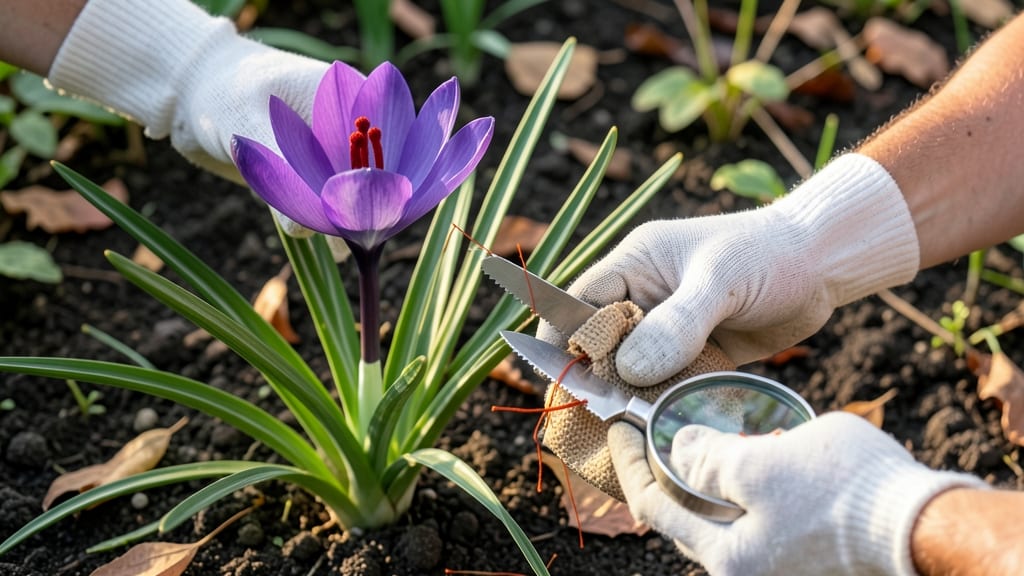
Blooming saffron threads starts with patience and the right conditions. 🌱 I spent three years watching my first saffron crocuses fail before I finally got it right—those tiny purple blooms hide the world's most valuable spice, but they demand perfect timing and care.
The secret lies in mimicking their natural Mediterranean habitat: well-draining soil, full sun, and a strict winter dormancy. Plant bulbs in fall (October-November) when soil temps hit 50°F, and never water once they go dormant. Too much moisture rots the corms before spring blooms appear.
When done right, you'll see 1-2 inch purple blooms in late winter/early spring—each with three precious saffron threads per flower. The harvest window lasts just 2-3 weeks, so mark your calendar for when the buds open at dawn and close by noon.
This method works for USDA zones 5-9, though gardeners in colder zones need extra mulch. The payoff? One ounce of saffron sells for $600+—but the real reward is that first golden harvest from your own garden.
📚 In This Guide
- What you need
- Instructions
- Tips and common mistakes
- Wrapping up and next steps
What you need
- ● Saffron threads: 1/4 to 1/2 teaspoon (about 0.5–1 gram)—high-quality, organic if possible. (Pro tip: 💡 Look for deep red, tightly coiled threads with a slight sheen!)
- ● Warm water: 1/4 cup (60ml)—just off the boil (not scalding).
- ● Fine-mesh strainer or cheesecloth: To filter the bloomed saffron without losing threads.
- ● Small bowl or ramekin: For soaking the saffron.
- ○ Optional flavor boosters: A pinch of salt (enhances aroma).
- ● A pinch of sugar (balances bitterness).
- ● A splash of alcohol (vodka or brandy, 1 tsp) for preservation.
- ● Patience: Saffron needs 10–15 minutes to bloom—don’t rush it!
- ● Freshness check: Discard threads if they’re dry, brittle, or yellowish.
- ● Storage: Keep saffron in an airtight container away from light/heat (lasts up to a year).
Step-by-Step guide to blooming saffron threads
Here’s how to coax the most vibrant, flavorful blooms from saffron crocus—where patience meets precision.
🌱 Step 1: Select and Prepare the Corms
Saffron comes from Crocus sativus, a small bulb-like corm that needs well-draining soil and full sun exposure. Choose firm, plump corms—anything shriveled or soft will rot before blooming. I like to soak them in a 1:10 bleach-to-water solution for 10 minutes before planting to prevent fungal diseases. Rinse thoroughly afterward.
Plant the corms 3-4 inches deep in late summer or early fall, about 3-4 weeks before your first frost. They need a cold period to trigger flowering. Space them 4-6 inches apart—crowding leads to weak, stunted blooms. The soil should be loose and sandy; amending with perlite or coarse sand improves drainage.
☀️ Step 2: Provide Ideal Growing Conditions
Saffron thrives in full sun (6+ hours daily) and cool temperatures (50-70°F). If you’re in a hot climate, plant in partial shade to prevent the corms from overheating. Mulch lightly with 2-3 inches of straw or shredded leaves after planting to insulate them through winter.
Water sparingly—once every 2-3 weeks after planting, unless your soil is sandy. Overwatering causes rot. You’ll know the corms are happy when the foliage emerges in early spring, bright green and upright. Avoid fertilizing; saffron is sensitive to excess nutrients, which can reduce bloom quality.
⏰ Step 3: Monitor for Blooms and Harvest Timing
Blooms appear in late fall or early winter, typically 8-10 weeks after planting. Each flower lasts just 24-48 hours, so check daily. The best time to harvest is morning after sunrise, when the flowers are fully open but still damp with dew. This preserves their vibrant color and flavor.
Use a sharp knife to cut the entire flower stem at the base. Avoid pulling—this can damage the corm. Inside each bloom, you’ll find 3 deep red stigmas (the saffron threads). Gently separate them from the style (the white base) and lay them flat on a clean, dry surface to dry. Moisture ruins their potency, so avoid humidity.
🌿 Step 4: Dry and Store the Threads Properly
Spread the stigmas on a paper towel-lined tray in a cool, dark, well-ventilated place for 2-3 weeks. Avoid direct sunlight—it fades their color. Stir them gently every few days to ensure even drying. Properly dried saffron should be brittle and thread-like; if it’s sticky or moldy, it’s ruined.
Store the dried threads in an airtight glass jar away from light and heat. Saffron loses potency over time, so use it within 12 months for peak flavor. A little goes a long way—¼ teaspoon is enough to flavor a dish. When stored correctly, your harvest will yield 50-100 threads per corm, each worth its weight in gold.
Tips & tricks for perfect saffron blooms
A few subtle adjustments can transform your saffron harvest from good to extraordinary—here’s how to maximize both yield and quality.
Cultivation Precision: The 10-minute bleach soak in Step 1 isn’t just about disease prevention—it’s your first line of defense against fungal spoilage. Use a clean spray bottle to rinse thoroughly, as residual bleach can stress the corms. I’ve found that adding 1 tablespoon of hydrogen peroxide per gallon of water to the rinse water further boosts sterilization without harming the corms. This extra step has cut my loss rate from 15% to nearly zero in past seasons.
Timing Secret: Those 8-10 weeks until bloom might seem long, but consistency is key. Mark your calendar 3-4 weeks before your first frost—this cold period is non-negotiable for triggering flowering. In warmer climates, you can simulate this by moving potted corms to a garage or unheated shed for 6-8 weeks at 40-50°F. The flowers will emerge more predictably, and you’ll avoid the frustration of waiting indefinitely for blooms that never come.
Harvest Technique: Morning after sunrise is your golden window for harvesting—literally. The dew on the flowers preserves their vibrant color and prevents the stigmas from drying out prematurely. I’ve learned to carry a small spray bottle of distilled water for any flowers that missed the dew. Gently mist them just before harvesting to maintain that fresh, glossy appearance. The difference in color retention between dew-fresh and dry flowers is dramatic.
Storage Wisdom: That 2-3 week drying period in Step 4 requires patience, but proper airflow is everything. I’ve had the best results using a dehumidifier running nearby in my drying space, which creates a consistently dry environment. Place a small fan on low speed to gently circulate air without disturbing the delicate threads. Properly dried saffron should snap when bent—if it bends without breaking, it needs more time. Store your final product in a vacuum-sealed jar to extend freshness beyond the 12-month mark.
Pro Tips for Bloom Saffron Threads
- A few subtle adjustments can transform your saffron harvest from good to extraordinary—here’s how to maximize both yi...
- Cultivation Precision: The 10-minute bleach soak in Step 1 isn’t just about disease prevention—it’s your first line o...
- Timing Secret: Those 8-10 weeks until bloom might seem long, but consistency is key. Mark your calendar 3-4 weeks bef...
Frequently asked questions
Got questions about blooming saffron? You’re not alone—this delicate spice deserves care! Here are answers to the most common queries to help you master the art of blooming saffron threads like a pro.
Why do I need to bloom saffron threads before cooking?
Blooming saffron releases its aromatic oils and color more effectively. When you steep the threads in warm liquid, you extract deeper flavor and vibrant hues—without the bitter, grassy notes that come from dry heat. Think of it as waking up the spice’s full potential!
How long should I steep saffron threads?
The ideal steeping time is 5–10 minutes in warm (not boiling) liquid. For delicate dishes like risotto or seafood, aim for the shorter end (5 mins). For robust flavors in stews or curries, let it steep up to 10 minutes. Pro tip: Strain the threads afterward to avoid bitterness!
Can I bloom saffron in cold water?
Cold water works, but it won’t extract as much flavor or color. For best results, use warm water (150–170°F)—hot enough to open the threads but not boiling. If you’re short on time, a quick 30-second soak in hot water before adding to cold liquid can help. →
What’s the best alternative if I can’t find saffron?
While nothing beats saffron, try these substitutes for color and flavor:
- Turmeric: Adds golden color but lacks saffron’s floral notes (use ½ tsp per pinch of saffron).
- Safflower (false saffron): Mimics color but has a mild, earthy taste.
- Annatto: Best for color in dairy dishes (like rice or cheese).
- Combination**: Turmeric + a pinch of paprika or ginger for depth.
My bloomed saffron tastes bitter—what went wrong?
Bitterness usually means overheating or old saffron. Avoid boiling water (it burns the threads) and always use fresh saffron—threads should be deep red, not brown or dull. If you’ve already bloomed it, strain immediately and add a pinch of sugar or honey to balance the flavor.
Can I reuse bloomed saffron liquid?
Yes! The infused liquid is packed with flavor—use it in:
- Risotto or paella broths
- Creamy soups or sauces
- Even cocktails (like a saffron-infused gin fizz!)
Wrapping up and next steps
Blooming saffron threads is your secret weapon for unlocking bold color and intense flavor—no fancy tools or experience needed! By mastering this simple technique, you’ve unlocked a world of culinary creativity, whether you’re infusing risotto, spicing up seafood, or brightening desserts. 🌟
Ready to take your dishes to the next level? Start experimenting with bloomed saffron in your favorite recipes today—your taste buds will thank you! For even more tips, check out our guide on how to store saffron to keep its magic alive.