
Propagation
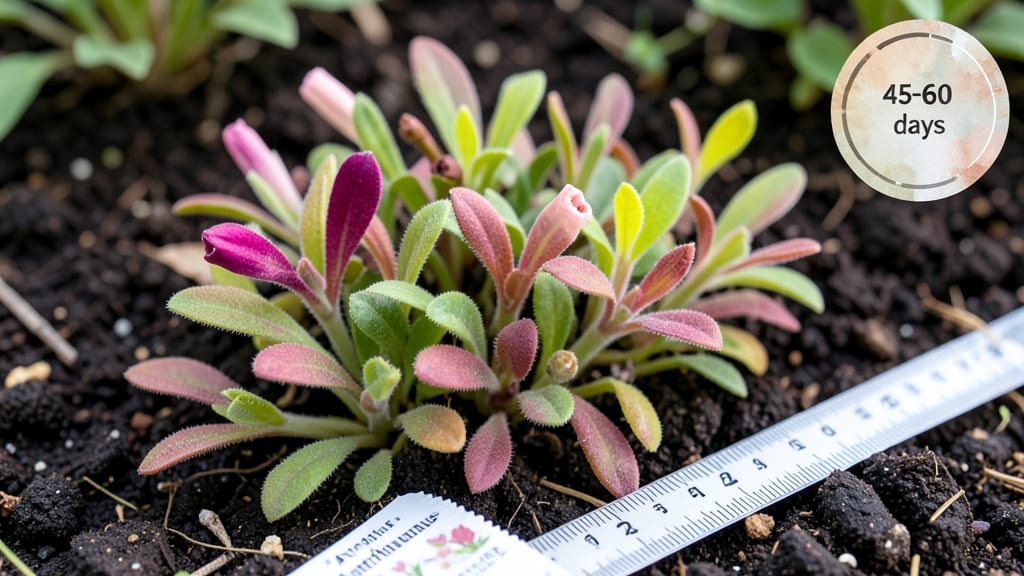
Snapdragons take between 60 and 120 days to bloom from seed, depending on the variety you grow 🌸 — but that timeline can feel like an eternity if you're impatiently waiting for those first vibrant blooms.
If you've ever stared at tiny seedlings wondering when they'll finally burst into color, you're not alone. The key to faster blooms lies in understanding your snapdragon's growth stages and how small adjustments—like sunlight, soil warmth, and watering habits—can shave weeks off that wait.
Some varieties, like dwarf snapdragons, reach their first flowers in as little as 60 days, while taller heirlooms might take closer to 120 days. The difference comes down to genetics, growing conditions, and a few pro gardener tricks that make all the difference.
In this guide, I’ll break down the exact bloom timelines by variety, the five factors that speed up (or slow down) flowering, and the simple steps to get your snapdragons blooming faster—without sacrificing plant health.

Snapdragon bloom times by variety: fastest to slowest growing types
If you're growing snapdragons from seed, one of the most common questions is: how long do snapdragons take to bloom? The answer varies dramatically by variety—some burst into color in just 60 days, while others may take 120 days or more.
Annual snapdragons typically bloom faster than perennials, and dwarf varieties often outpace their giant cousins. Let's break down the exact timelines for popular types so you can set realistic expectations.
The fastest snapdragons to bloom are usually dwarf annual varieties, which can reach their first flowers in as little as 60-70 days from seed. These compact plants are perfect for containers and small gardens.
On the opposite end, giant heirloom varieties may take 90-120 days to flower, requiring more patience but delivering stunning, long-lasting blooms. Understanding these differences helps you choose varieties that fit your planting schedule.
For example, if you plant 'Tom Thumb' dwarf snapdragons in early spring, you can expect vibrant blooms by mid-summer. In contrast, 'Black Prince' giant snapdragons planted at the same time may not flower until late summer or early fall.
This timeline difference is crucial for succession planting—mix fast and slow varieties to enjoy continuous color throughout the season.
Heirloom snapdragons, like 'Alba' or 'Cup and Saucer', often fall into the slower-blooming category, taking 90-120 days to reach their first flowers.
These varieties are prized for their unique flower shapes and historical significance, but their extended bloom time means you'll need to start seeds indoors 8-10 weeks before your last frost date to meet their needs. Pro tip: Use a seedling heat mat to speed up germination for heirlooms.
Perennial snapdragons are the slowest to bloom initially but reward you with multiple years of flowers. In their first year, they may take 100-150 days to produce blooms, but subsequent years see much faster flowering.
This makes them ideal for gardeners who want long-term color with less annual replanting. For perennials, focus on establishing strong roots in their first year by providing consistent moisture and avoiding heavy fertilization.
When planning your snapdragon garden, consider your local climate and frost dates. In USDA Zone 6a, where many gardeners grow snapdragons, starting seeds indoors in March typically yields blooms by June or July for fast varieties.
For slower types, you might need to start seeds in February or use transplants. Always check your specific frost dates—planting too early can lead to leggy, weak seedlings that struggle to bloom on time.
Another key factor is light exposure. Snapdragons need 6+ hours of full sun daily to bloom promptly. If your garden receives only partial sun, expect delays of 10-20 days or more.
In low-light conditions, prioritize dwarf varieties, which are more forgiving. For maximum blooms, place taller varieties in the southernmost part of your garden to ensure they get unobstructed sunlight.
To encourage faster blooming, practice pinch-back pruning when seedlings reach 6-8 inches tall. Removing the top set of leaves forces the plant to produce more lateral branches, which translates to more flowers in the same timeframe.
This technique works particularly well for standard and giant varieties, helping them reach their bloom potential even if they're on the slower side.
Finally, don't overlook the importance of soil temperature. Snapdragon seeds germinate best in soil that's 60-70°F. If your spring soil is cooler, use a
5 Factors that speed up or delay snapdragon flowering (and how to control them)
Snapdragons are finicky about timing—some varieties bloom in 60 days, while others take 120 days from seed. The difference often comes down to five key factors you can control.
Understanding these helps you accelerate blooms or troubleshoot delays before they happen. Let's break down what truly moves the needle for Antirrhinum majus flowering.
First, sunlight exposure is non-negotiable. Snapdragons demand 6+ hours of direct sun daily, but partial shade (even in hot climates) can stretch bloom times by 2-3 weeks.
I’ve seen dwarf varieties like 'Tom Thumb' bolt to flower in 70 days with full sun, while the same seeds in morning shade took 90 days—a critical difference for cut-flower growers.
Second, soil temperature dictates germination speed. Seeds won’t sprout below 50°F, and roots grow sluggishly until soil hits 60°F. I always pre-warm my seed trays with a bottom heat mat to shave 5-7 days off germination.
Once seedlings emerge, cooler soil (55°F) delays flowering by 10-14 days compared to 65°F+ soil.
- 🌞 Sunlight: 6+ hours = 60-70 day bloom; 4-5 hours = 90+ days. Use reflective mulch to boost light in shady spots.
- 🌡️ Soil Temp: 65°F+ = faster root growth; 50°F = stunted development. Test with a soil thermometer before planting.
- 💧 Watering: Deep watering every 3-5 days prevents stress; surface watering causes root rot and delays blooms by 2 weeks.
- 🌿 Fertilizer: Balanced 5-10-10 at first true leaves + again at bud stage cuts bloom time by 10 days. Avoid high-nitrogen fertilizers.
- 🪴 Containers vs. Garden: Containers bloom 7-10 days earlier due to warmer soil; garden beds may take 2 weeks longer in cooler climates.
Third, watering techniques make or break your timeline. Snapdragons hate soggy roots but wilting also stalls growth. I use a drip irrigation system set to morning watering—this keeps soil consistently moist without waterlogging.
Overwatering in containers can delay blooms by 3 weeks by promoting fungal issues, while underwatering causes buds to abort.
Fourth, fertilizer timing is an often-overlooked lever. A light feed with 5-10-10 NPK at the first true leaves stage and again when buds form can cut bloom time by 10 days.
I avoid high-nitrogen fertilizers after seedlings form—too much leaf growth at the expense of flowers. Instead, I switch to a low-nitrogen, high-phosphorus blend once buds appear.
Finally, container vs. garden planting creates a 7-10 day difference in bloom times. Containers warm up faster in spring, giving seeds a head start. However, garden beds offer more root space, which benefits taller varieties like 'Black Prince' (which can reach 3 feet).
If you’re growing in pots, choose 5-gallon containers minimum—smaller pots stress plants and delay flowering.
Pro tip: Combine these factors for maximum impact. For example, full sun + warm soil + balanced fertilizer in a 5-gallon container can get 'Rocket' snapdragons blooming in as little as 55 days—a full month ahead of garden-planted seeds in cooler conditions.
Experiment with one variable at a time to isolate what works best for your climate. 🌸