
Flowers
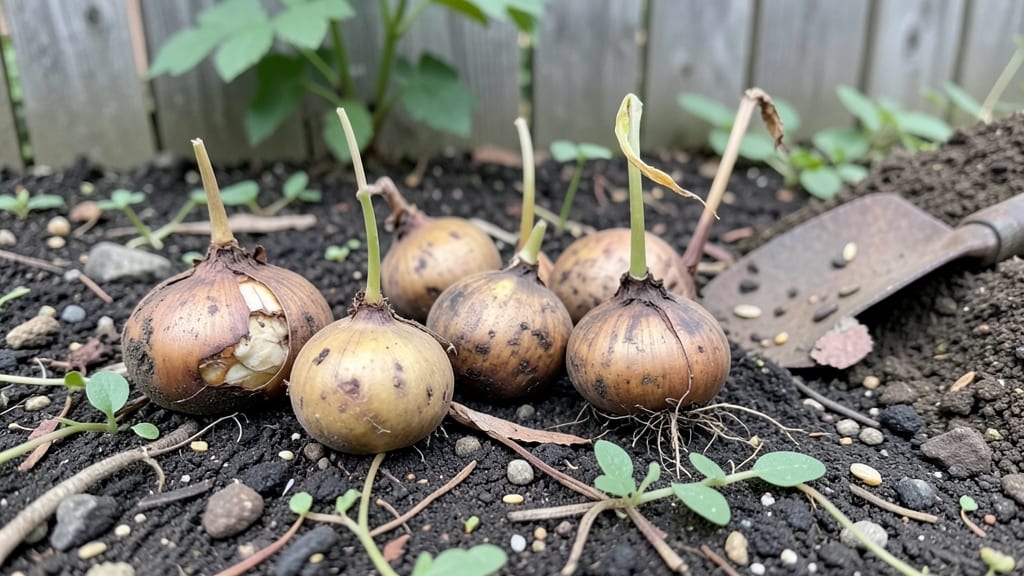
Planting garden lily bulbs 🌸 at the right depth is the secret to faster blooms and stronger stems that don’t flop in summer storms.
Struggling to get your garden lilies to bloom on time? The secret might be hiding just beneath the soil surface—planting depth plays a surprisingly critical role in lily bulb success.
Most gardeners know lilies need fall planting for spring blooms, but 6-8 inches deep is the magic number for USDA Zone 6a climates like mine. Too shallow, and you’ll get leggy stems; too deep, and the bulb struggles to push through.
Below, I’ll break down the exact depth for Asiatic, Oriental, and Trumpet lilies, how to adjust for clay vs. sandy soil, and the one trick that guarantees blooms by June.
Optimal planting depth for garden lily bulbs by variety
Getting the planting depth right for your garden lily bulbs can mean the difference between vibrant blooms and disappointment. Each lily variety has unique needs—some thrive when buried deeper, while others need shallower soil to encourage strong growth.
Understanding these differences helps you time blooms perfectly and protect bulbs from frost damage or rot risks.
For example, Asiatic lilies and Oriental lilies prefer slightly different depths, which directly impacts their root development and bloom timing. Meanwhile, Trumpet lilies and Daylilies (which are technically not true lilies) have their own ideal planting zones.
Let’s break down the science behind these depths and how to apply it in your garden.
🌱
Asiatic lilies, known for their early blooms and vibrant colors, prefer a shallower depth of 4–6 inches. This allows their roots to establish quickly in spring, giving them a head start for early summer blooms.
If you plant them too deep, you risk delaying their growth and missing out on those bold summer displays.
Oriental lilies, on the other hand, need a deeper planting depth of 6–8 inches to support their larger bulbs and fragrant blooms. Their roots are more extensive, and deeper soil helps them store energy for their mid-to-late summer flowering. Plus, the extra depth provides better frost protection in colder climates.
🌿
Trumpet lilies, including the iconic Lilium regale, are the heavyweights of the lily world. Their 8–10 inch planting depth ensures their massive bulbs have enough room to develop strong roots and support their towering 6-foot stems.
This depth also helps them withstand heavy rainfall and wind exposure, common in their native habitats.
Daylilies, though often grouped with lilies, are a different beast entirely. Their shallow planting depth of 2–3 inches reflects their hardy nature. Daylilies thrive with minimal soil coverage, allowing them to spread aggressively and produce continuous summer blooms. Over-deepening can suffocate their rhizomes and stunt growth.
Depth also plays a crucial role in bloom timing. Shallower planting encourages earlier blooms, while deeper planting can delay flowering slightly, giving you more control over your garden’s seasonal display.
For example, planting Asiatic lilies at 4 inches deep might trigger blooms a week earlier than planting them at 6 inches.
🌱
Another critical factor is frost resistance. Deeper planting helps protect bulbs in colder zones, especially for Oriental and Trumpet lilies. In USDA Zone 5 or colder, add an extra inch of depth to shield bulbs from freezing temperatures.
Meanwhile, in warmer zones like Zone 8 or higher, you can plant slightly shallower to encourage faster sprouting and earlier blooms.
Pro tip: Use a bulb planter or your finger to create a hole just deep enough for the bulb. A good rule of thumb is to plant the bulb so its neck (
How to adjust planting depth for your climate Zone
Your garden lily bulbs won't thrive if planted at the same depth in USDA Zone 5 as they would in Zone 9. Temperature extremes, soil composition, and frost cycles all demand adjustments to ensure your lilies establish strong roots and bloom reliably.
In colder climates, deeper planting protects bulbs from freeze-thaw cycles, while hotter regions benefit from shallower placements to prevent overheating.
Soil type further complicates the equation: sandy soil drains quickly, requiring deeper holes to hold moisture, whereas clay soil retains water, allowing for shallower placements. Let's break down the science-backed adjustments for your specific growing conditions to maximize your lilies' potential.
- 🌡️ Cold Climates (Zones 3-6): Plant 8-12 inches deep to insulate bulbs from winter frost. The extra soil acts as a natural frost barrier, protecting roots during sub-zero temperatures. For example, in Zone 4, add 2-3 inches more depth than the standard 6-8 inches.
- ☀️ Hot Climates (Zones 8-10): Reduce depth to 4-6 inches to prevent bulb overheating. Shallower planting keeps roots cooler in 100°F+ soil, reducing stress. In Zone 9, mulch with straw or pine needles to retain moisture without smothering the bulb.
- 🌱 Transitional Zones (7a-7b): Use a hybrid approach—plant 6-8 inches deep but add a 2-inch mulch layer in winter. This balances frost protection and summer heat tolerance, ideal for unpredictable microclimates.
- 💧 Sandy Soil Adjustments: Increase depth by 1-2 inches to compensate for poor moisture retention. The extra soil helps bulbs access consistent hydration during dry spells. Mix in compost to improve water retention.
- 🏔️ Clay Soil Adjustments: Plant 1-2 inches shallower than recommended to avoid waterlogging. Amend soil with perlite or coarse sand to create air pockets, preventing bulb rot in compacted clay.
For Asiatic lilies, which thrive in cooler summers, stick to the deeper end of the spectrum (8-10 inches) in Zone 5, even if your soil drains well. Their delicate roots benefit from the added insulation.
Meanwhile, Oriental lilies, which prefer warmth, can handle 5-7 inches in Zone 8 with a light mulch to shield them from afternoon sun.
Pro tip: Use a soil thermometer to monitor underground temperatures. If your soil stays above 75°F for prolonged periods, shallow planting becomes critical. Conversely, if winter temps drop below 20°F, deeper is always better.
Always plant 4-6 weeks before your first frost to give roots time to establish before cold sets in.
Remember, bulb size matters. Larger Trumpet lilies can handle deeper planting (10-12 inches) in cold zones, while smaller Martagon lilies may struggle if buried too deep. Adjust based on the bulb's diameter—aim for a depth 2-3 times the bulb's width as your baseline.
By tailoring your garden lily bulb depth to your climate and soil, you'll see healthier foliage, stronger stems, and more abundant blooms—all while reducing the risk of rot or frost damage.
Start experimenting this fall, and watch your lilies reward you with vibrant, long-lasting flowers next season. 🌸