
Blooming
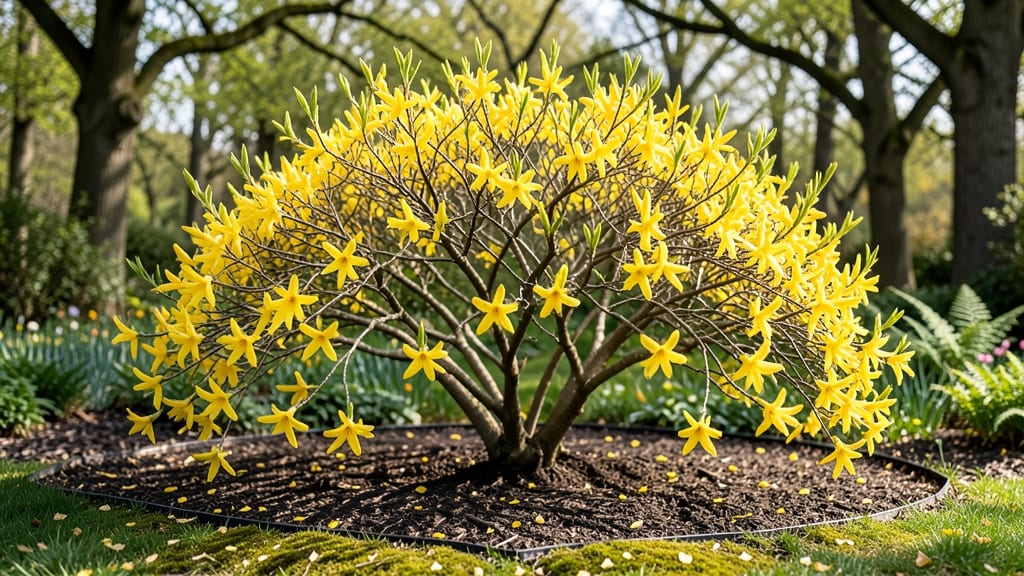
The forsythia bloom time in early spring 🌸 typically falls between late February and April, depending on your location and the specific variety you’re growing.
If you’ve ever wondered why your forsythia blooms earlier than your neighbor’s—or why some years it seems to burst into golden yellow while others lag behind—understanding its bloom time by USDA hardiness zone is the key to predicting (and celebrating) that first flush of spring color.
In Zone 6a, where many gardeners live, expect the vibrant yellow spikes to appear in March or early April, just as the last frost threatens to linger.
But in warmer zones like 7 or 8, forsythia often starts its show as early as February, while colder climates may wait until late April.
Below, I’ll share how to time your pruning, fertilizing, and care to encourage the longest possible bloom season—and what to watch for if your forsythia is playing hard to bloom.
Forsythia bloom time by USDA hardiness Zone: exact months to expect yellow spikes
Forsythia’s bright yellow blooms are the first sign of spring in many gardens, but their exact timing depends heavily on your USDA hardiness zone.
If you’re planning your garden around these cheerful shrubs, knowing when to expect those golden spikes helps you time pruning, fertilizing, and even spring planting projects.
In my Zone 6 garden, forsythias burst into bloom by early April, but gardeners in Zone 9 might see them as early as February. Let’s break down the exact months for each zone so you can predict your shrub’s spring performance.
Understanding these zone-specific bloom windows isn’t just about anticipation—it’s also about adjusting care routines. For example, pruning forsythia right after blooming ensures next year’s flowers arrive on schedule.
If you live in a warmer southern zone, you might need to prune earlier than a gardener in the northern Midwest. Climate factors like winter chill hours and spring temperature spikes also play a role in whether your forsythia blooms early or late.
Let’s dive into the details so you can set your expectations—and your garden calendar—correctly.
🌱 Summary Table: Forsythia Bloom Time by USDA Zone
| USDA Zone | Typical Bloom Month | Early Bloom Window | Late Bloom Window | Key Climate Factor |
|---|---|---|---|---|
| Zones 4-5 | Late April | Early April | Early May | Cold winters delay bud break |
| Zones 6-7 | Early April | Late March | Mid-April | Moderate chill hours needed |
| Zones 8-9 | February-March | January (mild winters) | Early April | Minimal winter dormancy |
If you’re in Zones 4-5, where winters are harsh, your forsythia likely needs more chill hours to trigger blooming. This means buds may not open until late April, especially if spring arrives late.
In my Zone 6 garden, I’ve noticed that years with warmer-than-average winters can push blooms into late March, while colder winters delay them until mid-April.
The key is to monitor your local last frost date—forsythia blooms often appear just before the final freeze, making them a reliable early spring indicator.
Gardeners in Zones 8-9 enjoy the earliest forsythia blooms, sometimes as early as January or February, especially in mild coastal climates. However, if your zone experiences unusually cold snaps in late winter, buds may get damaged, delaying blooms until March or April.
In Zone 9b, where I’ve consulted with desert gardeners, forsythias often bloom in February if planted in well-draining soil with full sun exposure. Poor soil or shade can push blooms later, even in warm zones.
Sunlight exposure is another critical factor. Forsythias thrive in full sun (6+ hours daily), but even a few hours of partial shade can delay blooming. In my shadier backyard, my forsythia blooms about 10 days later than the one in my sunniest border.
If your shrub isn’t getting enough light, consider thinning nearby trees or relocating it to a sunnier spot for next year’s blooms. Soil quality also matters—well-draining, slightly acidic soil (pH 6.0-7.0) encourages stronger, earlier blooms.
Age and health of the plant also affect bloom timing. Young forsythias (under 3 years old) may bloom later or more sparsely as they establish roots. In contrast, mature shrubs (5+ years) often produce denser, earlier blooms.
If your forsythia is past its prime, rejuvenating pruning in late spring can encourage new growth and next year’s vibrant blooms. Over-fertilizing with high-nitrogen products can also delay flowering, as the plant focuses on leaf growth instead of buds.
Stick to a balanced fertilizer (10-10-10) in early spring for the best results.
Finally, keep an eye on local microclimates. A forsythia planted on a south-facing slope will bloom earlier than one in a frost pocket.
In my garden, the forsythia near the brick wall** absorbs heat and blooms nearly two weeks ahead of the one by the shaded fence line.
If you notice your shrub blooming consistently late, it might be time to evaluate its location or adjust care practices like watering or mul
How to extend forsythia bloom time: pruning, fertilizing, and care tips for longer flowers
Want your forsythia’s bright yellow blooms to last longer? The secret lies in timing and care. Forsythia typically blooms for 2-3 weeks, but with the right approach, you can stretch that to 4-6 weeks of vibrant color.
The key is balancing pruning techniques, nutrient-rich fertilizing, and consistent watering practices—all tailored to your plant’s unique needs.
Many gardeners mistakenly prune too late or over-fertilize, which can shorten bloom time. Instead, focus on light pruning after flowering and feeding your forsythia just before bud formation. This shrub thrives on minimal stress and rewards careful attention with lush, extended blooms.
Let’s dive into the proven methods that will transform your forsythia into a springtime showstopper.
-
1. Prune at the Right Time
Wait until after blooms fade (late spring) to prune. Never cut back in fall or winter—this removes next year’s flower buds! -
2. Feed with Balanced Fertilizer
Use 10-10-10 NPK in early spring (before buds swell) and a light feeding in summer to support foliage. -
3. Water Deeply but Infrequently
Give 1 inch of water weekly in dry spells, but avoid soggy soil. Morning watering prevents fungal issues that stress plants. -
4. Mulch for Moisture Retention
Apply 2-3 inches of mulch around the base in late fall to protect roots and regulate soil temperature. -
5. Choose the Right Location
Plant in full sun (6+ hours) with well-draining soil. Partial shade can reduce bloom intensity and duration.
Let’s start with pruning, the most critical step for extending bloom time. Many gardeners make the mistake of pruning in late winter or early spring, which removes the current year’s flower buds that form on old wood.
Instead, prune immediately after blooming (late spring) to shape your shrub while preserving next year’s flowers. Use clean, sharp pruners to make cuts just above a bud or branch collar.
For fertilizing, timing is everything. Apply a balanced 10-10-10 fertilizer in early spring (as buds swell) and a light feeding in midsummer to support foliage growth. Avoid high-nitrogen fertilizers, which promote leafy growth at the expense of flowers.
Organic options like composted manure or fish emulsion work well too. Always water deeply after fertilizing to prevent root burn.
Consistent watering keeps your forsythia healthy and blooming longer. Water deeply once a week during dry spells, aiming for 1 inch of water per session.
Early morning is best to reduce evaporation and fungal risks. Mulching with wood chips or straw helps retain moisture and regulate soil temperature, which is especially important in hot climates where forsythia can struggle.
Finally, pay attention to your forsythia’s location and soil. These shrubs thrive in full sun but tolerate partial shade, though bloom time may shorten. Amend heavy or clay soil with compost to improve drainage.
If your forsythia is in USDA Zone 4 or colder, choose cold-hardy varieties like ‘Northern Gold’ for reliable blooms despite harsh winters.
With these simple yet effective techniques, your forsythia will reward you with longer, brighter blooms year after year. The key is patience—forsythia responds best to gentle care rather than aggressive pruning or over-fertilizing. Happy gardening! 🌿