
Blooming
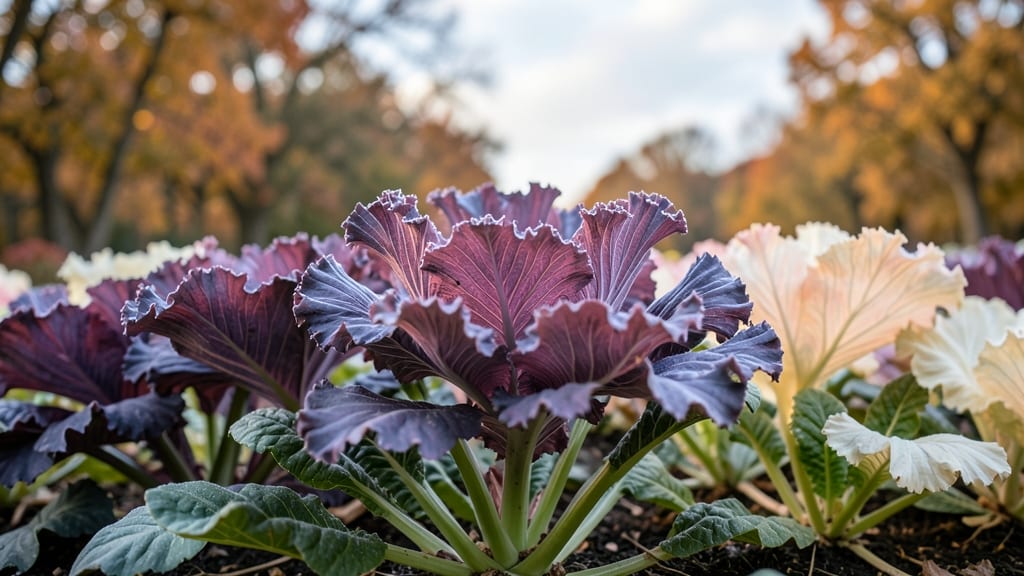
Fall gardens don’t have to be dull—these 10 late-blooming flowers add vibrant color, texture, and fragrance when most plants have faded. Perfect for extending your season and attracting pollinators, these beauties thrive in cooler weather and bring unexpected charm to autumn landscapes.
Chrysanthemums for Bold Autumn Color
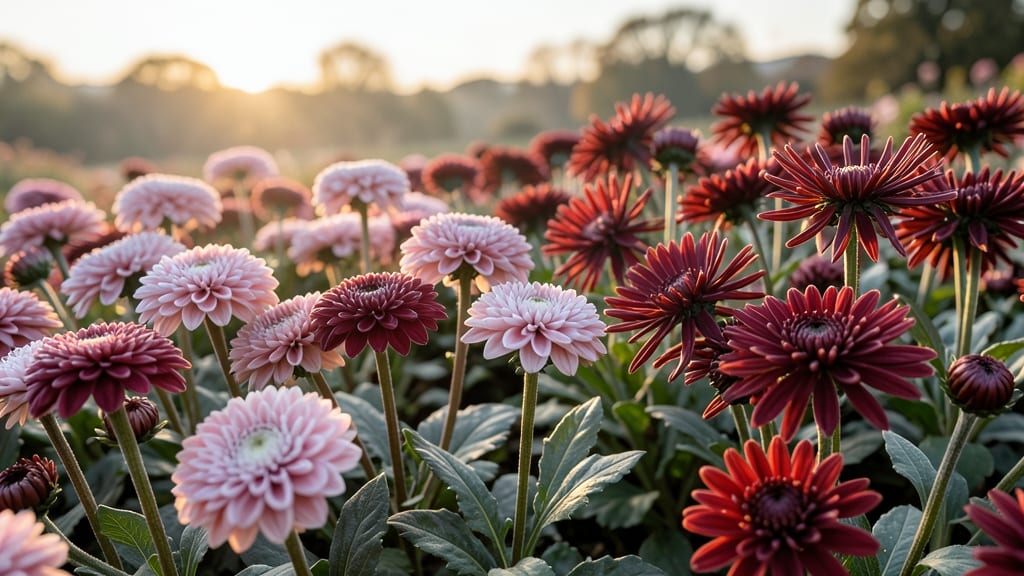
When most summer blooms fade, chrysanthemums step in to steal the show with their unmatched variety—think pom-poms, daisies, and spider-like forms in every hue from fiery red to deep burgundy. These fall stars thrive in full sun and even tolerate light frost, making them the ultimate low-maintenance workhorse for borders, containers, or cutting gardens.
With over 150 cultivated varieties, you can mix and match colors and shapes for dramatic displays. For longest blooms, deadhead spent flowers and fertilize lightly with a balanced 10-10-10 formula every 3-4 weeks. Bonus: Many varieties, like 'Mum' series or 'Bonanza', stay vibrant until hard frosts—some even last through winter in milder climates.
Perfect for beginners or busy gardeners, chrysanthemums deliver instant impact with minimal effort. Urban gardeners will love their container-friendly dwarf varieties, while traditionalists can create classic cottage-garden borders. 🌻
Japanese Anemones for Graceful Elegance
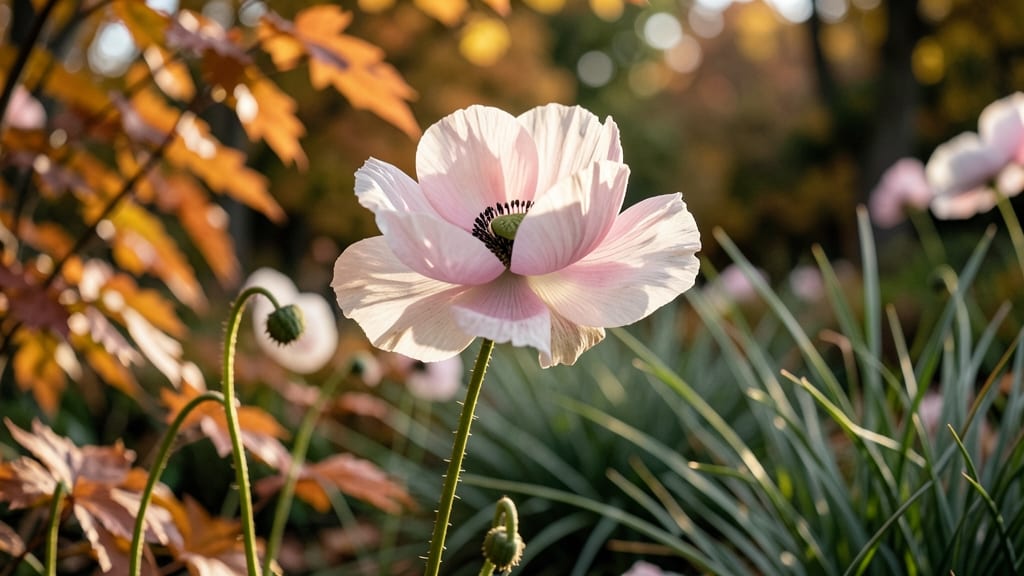
When your garden needs a touch of whimsical charm after summer’s bold displays, Japanese anemones swoop in like autumn’s secret dancers. Their delicate pink or white blooms sway gently in the breeze, adding a soft contrast to the season’s deeper hues—think of them as nature’s own watercolor strokes.
These perennials thrive in partial shade, making them ideal for under trees or along shady borders where other flowers fade. Plant them in well-draining soil and water moderately—once established, they’re surprisingly low-maintenance. The real magic? They bloom late August through October, just when pollinators are desperate for nectar, and their flowers attract butterflies and bees with open arms.
Perfect for gardeners who love elegance without fuss, Japanese anemones pair beautifully with asters or ornamental grasses for a dreamy, textured look. Their graceful habit makes them a standout in cottage gardens or woodland settings. 🌷
Asters for Pollinator Paradise
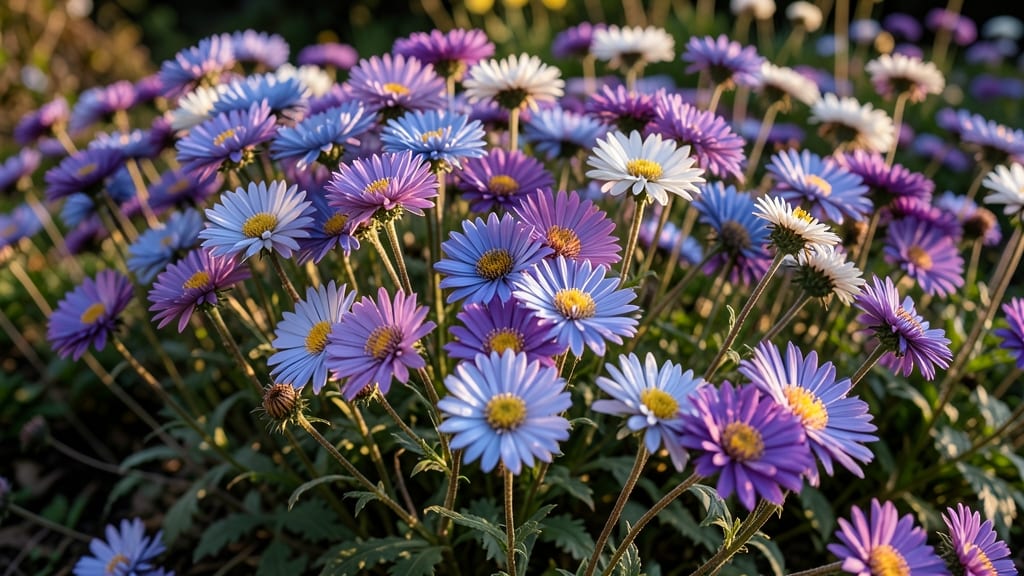
When late-season gardens seem barren, asters burst onto the scene with their cheerful daisy-like blooms in shades of purple, blue, and white. These hardy perennials thrive in September and October, offering a critical food source for bees and butterflies when other flowers have faded away.
Plant them in full sun to partial shade and watch them flourish in almost any soil type—even drought conditions. For a cottage garden feel, mix varieties like 'Alma Potschke' (deep purple) or 'Blue Bird' (soft lavender) with goldenrod and Queen Anne’s lace. Deadheading spent blooms encourages more flowers until frost.
Perfect for wildflower meadows, pollinator gardens, or simply adding late-season color to borders, asters are a must-have for gardeners who want to support ecosystems while enjoying effortless beauty. 🌟
Goldenrod for Late-Season Sunshine
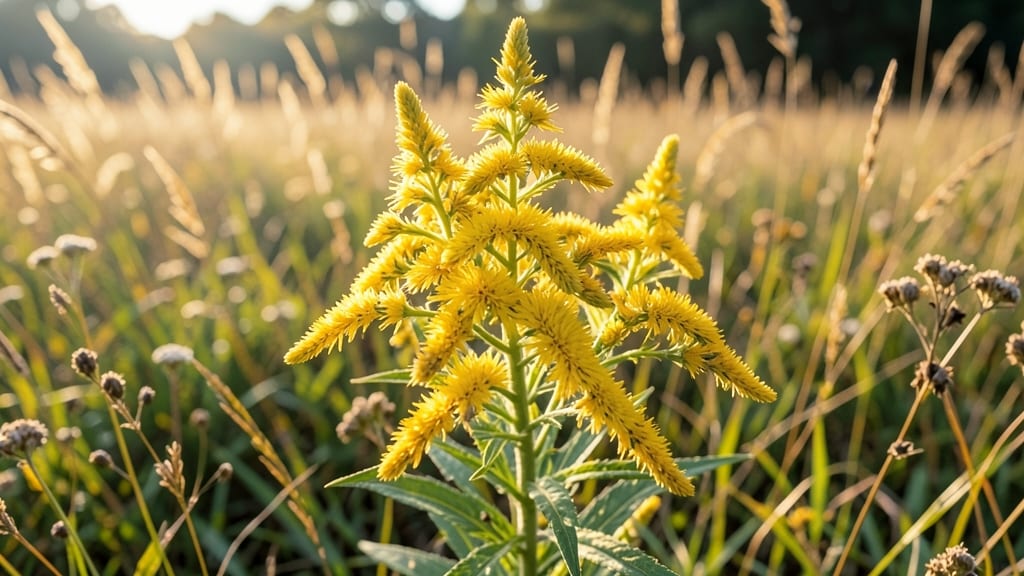
When you think of goldenrod, don’t assume it’s just a pesky allergen—this bright yellow late-season bloomer is a pollinator powerhouse that thrives when other flowers fade. Its feathery plumes create a sunlit focal point in borders, meadows, or wildflower gardens, often blooming from August through October.
Goldenrod is drought-tolerant and thrives in full sun, making it ideal for low-maintenance gardens. It attracts bees, butterflies, and beneficial insects like ladybugs, supporting your garden’s ecosystem. Plus, its airy texture contrasts beautifully with bold asters or deep purple sedum, adding movement to fall displays.
Perfect for native plant gardens, goldenrod’s cheerful blooms prove that late-season color doesn’t have to be complicated. 🌻
Mums for Container Gardening
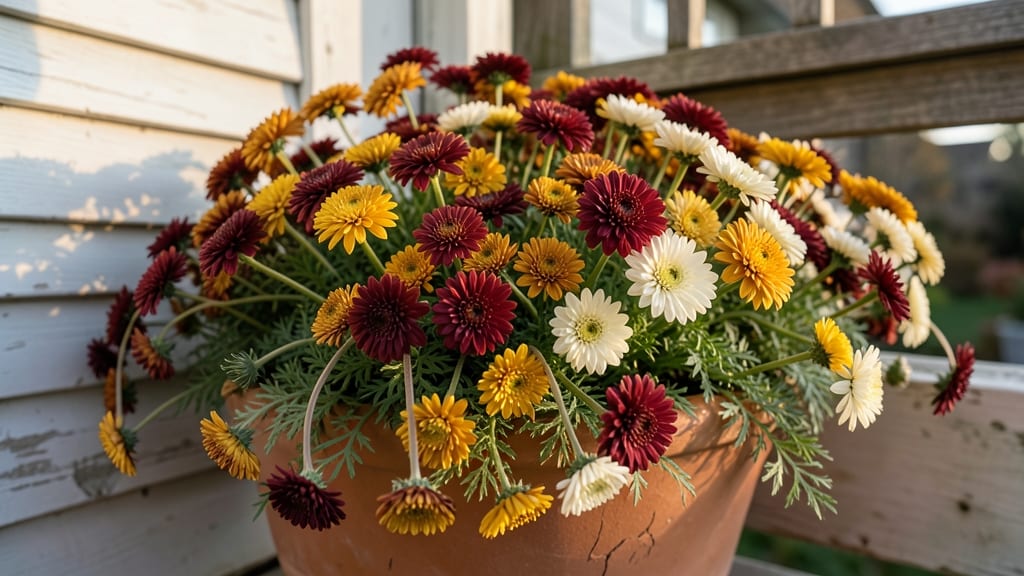
Tired of fall gardens looking bare? Mums (chrysanthemums) are your secret weapon for compact, colorful containers that shine until frost. Unlike their larger cousins, these dwarf varieties fit perfectly on patios, balconies, or even window boxes—no sprawling beds required.
Look for trailing types like 'Bonanza' or 'Little Princess' for hanging baskets, or bush varieties like 'Jolanda' for upright pots. Plant in well-draining soil with 4-6 hours of sun daily, and deadhead spent blooms to encourage more flowers. Their vibrant hues (red, gold, purple) will outshine any autumn leaves!
Urban gardeners and small-space lovers rejoice—these mums thrive in containers and even tolerate light frost. Swap them out yearly for fresh color, or overwinter tender varieties indoors for next season’s display. 🌻
Russian Sage for Drought-Resistant Drama
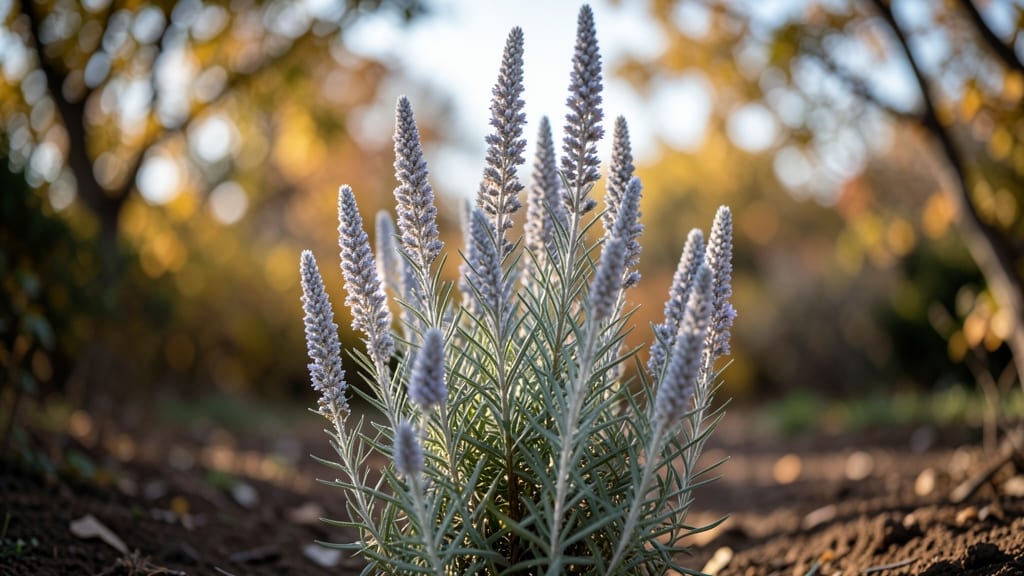
When your fall garden needs a dramatic vertical statement without the fuss, Russian sage delivers with its airy, silvery-blue spikes that tower over borders. Unlike other late-season bloomers, this perennial thrives in full sun and poor soil, making it the ultimate low-maintenance star for dry climates or neglected patches.
Plant it in well-drained soil and watch it reward you with fragrant foliage that naturally deters pests like aphids and spider mites. The aromatic leaves also add a subtle herbal scent when brushed—perfect for cutting gardens or back-row planting. Prune back in early spring to encourage bushier growth, and enjoy months of blooms from summer through frost.
This is the go-to plant for gardeners who want height, texture, and resilience without the high-maintenance care. Pair it with sedum or black-eyed Susans for a striking autumn contrast. 🌻
Black-Eyed Susans for Low-Maintenance Beauty
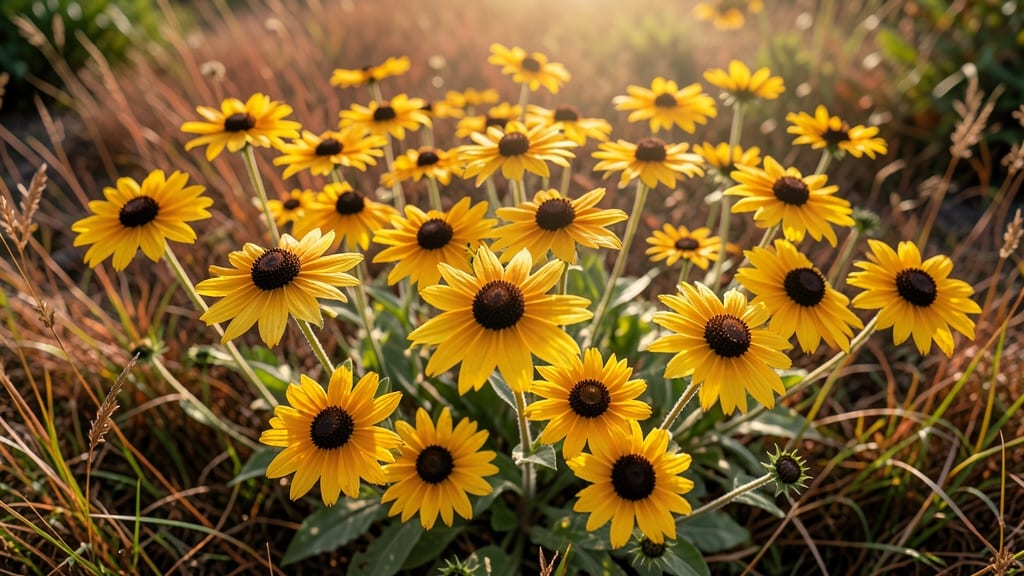
If you’re craving year-round color with zero fuss, black-eyed Susans (Rudbeckia hirta) are your secret weapon. These cheerful, daisy-like blooms burst into golden-yellow cheer from mid-summer straight through October’s crisp air, defying the notion that fall gardens must fade to brown.
Native to North America, they thrive in full sun and dry, well-drained soil, making them ideal for rocky slopes, meadows, or even cracked pavement gardens. Their deer-resistant nature means you won’t need fences to protect them, and they self-seed readily for effortless renewal. Deadhead spent blooms to encourage a second flush of flowers, or leave them for winter interest.
Perfect for beginner gardeners or those with low-water landscapes, black-eyed Susans pair beautifully with purple coneflowers or salvia for a bold, pollinator-friendly display. 🌻
Cockscomb for Unique Texture
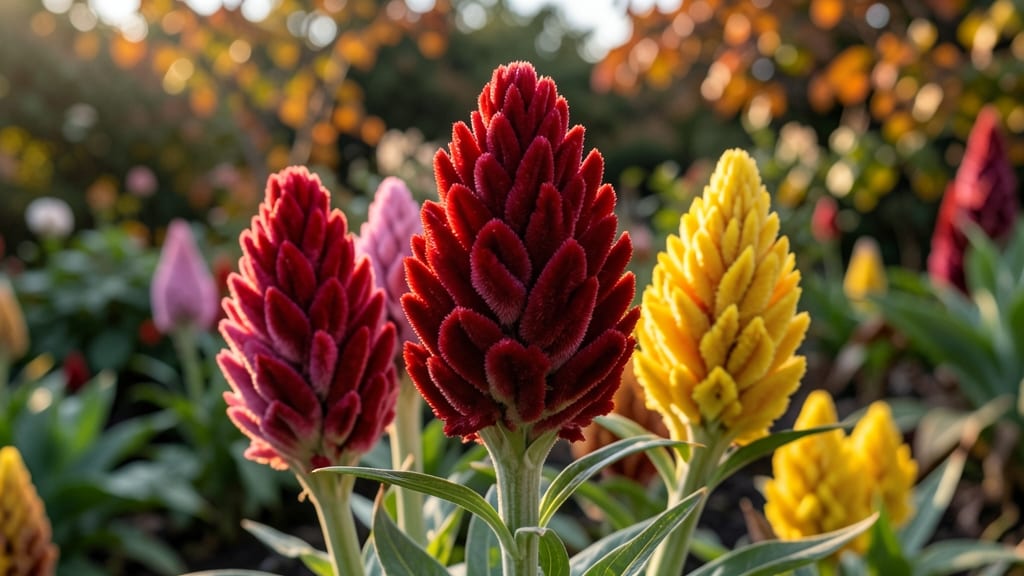
Skip the typical autumn blooms—cockscomb (Celosia argentea) brings a velvet-like texture that’s impossible to ignore. These striking flowers resemble a rooster’s comb, with deep red, pink, or yellow hues that pop against any garden backdrop.
Perfect for gardeners in hot, humid climates, cockscomb thrives in full sun and well-draining soil. Deadhead spent blooms to encourage more flowers, and watch as they add drama to borders, containers, or cutting gardens. Their heat tolerance makes them ideal for late-season color when other plants fade.
Urban gardeners and tropical enthusiasts will love how easy they are to grow—just keep the soil moist and pinch back early growth for bushier plants. Add them to your fall lineup for a bold, textured statement. 🌻
Sedum for Succulent Fall Interest
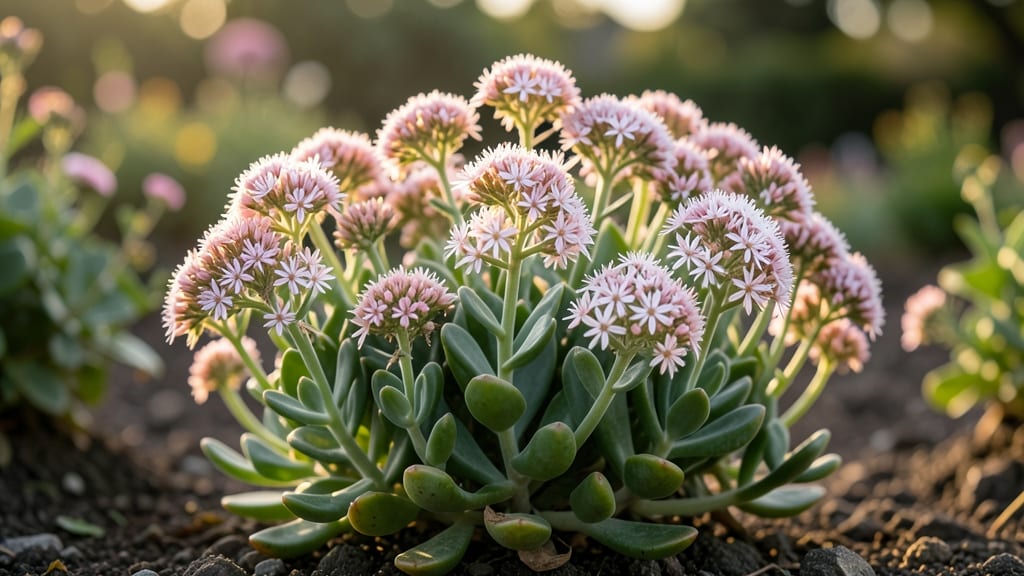
If you’re craving a zero-maintenance late-season star, look no further than sedum—nature’s answer to drought-proof, evergreen charm. These succulent stalwarts burst into clusters of tiny pink or white blooms in September and October, defying frost and neglect with equal ease.
Sedum thrives in full sun to partial shade, making it ideal for rock gardens, borders, or rooftop containers where other plants might struggle. Varieties like ‘Autumn Joy’ or ‘Angelina’ offer both color and texture, while their thick leaves store water, eliminating the need for frequent watering once established. Simply plant in well-draining soil and watch them flourish with minimal effort.
Perfect for urban gardeners, beginners, or anyone short on time, sedum adds year-round structure and late-season flair without demanding attention. 🌻
Ornamental Kale for Edible Fall Color

Skip the traditional flowers this fall and turn to ornamental kale for a two-for-one powerhouse: stunning visuals and edible greens. This frost-loving annual transforms into a vibrant purple, pink, or white masterpiece as temperatures drop, making it the perfect late-season statement.
Plant seeds 4-6 weeks before your first frost for full-color development by October. Choose varieties like 'Red Russian' or 'Dwarf Blue Curled' for compact, container-friendly growth. Harvest outer leaves for salads or garnishes—its slightly sweet, peppery flavor pairs perfectly with roasted dishes or cheese boards.
Urban gardeners and small-space growers will love how ornamental kale thrives in partial shade and tolerates light frost, extending your harvest well into winter. It’s the ultimate dual-purpose plant for those who want beauty and bounty. 🌿