
Blooming
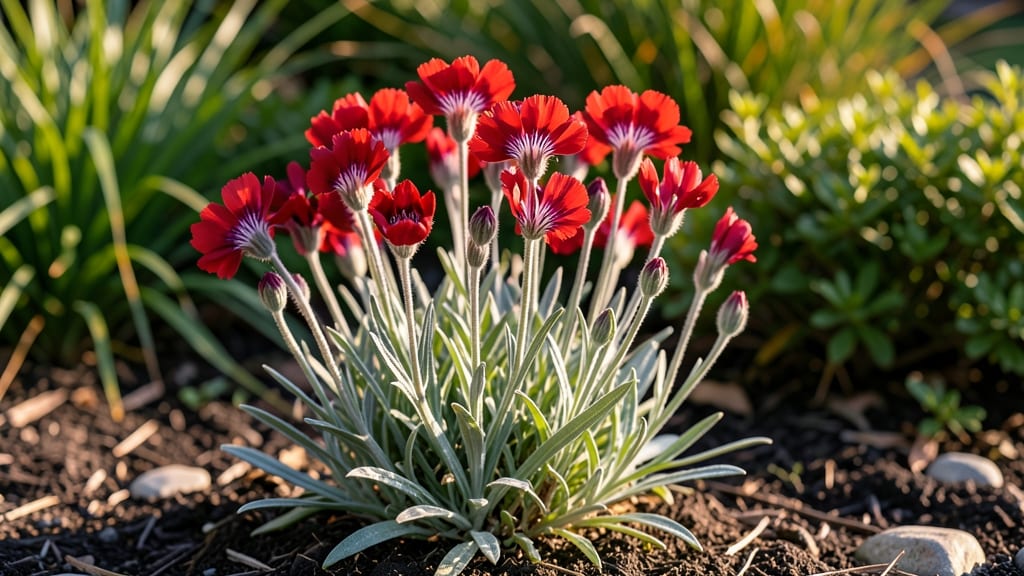
The firewitch dianthus bloom time arrives with the heat—those dramatic purple spikes erupt in late spring to early summer, triggered by warm soil and air temperatures. 🌸 I’ve watched mine burst into color just as the thermometer hits 75°F, proving this plant knows exactly when to put on its best show.
The secret to repeat blooms lies in deadheading spent flowers and keeping the soil well-drained. Mine reblooms later in summer if I trim back leggy growth after the first flush—though the second wave is never as dramatic. Overwatering or soggy soil, though, will send it into early retirement.
For vibrant spikes, plant in full sun with sharp drainage and feed lightly with phosphorus-rich fertilizer in early spring. The fragrance alone makes the effort worth it—like walking through a lavender field, but with a deeper, spicier scent.
Works beautifully in borders, containers, or rock gardens where it thrives on neglect once established. Just remember: heat is its trigger, not its enemy.
📚 In This Guide
- What you need
- Instructions
- Tips and common mistakes
- Wrapping up and next steps
What you need
- ● Firewitch Dianthus plants: 3–5 mature plants (or seeds if starting from scratch). Choose Dianthus barbatus (Sweet William) or Dianthus chinensis varieties labeled "Firewitch" for heat-responsive blooms.
- ● Well-draining potting mix: 5–10 gallons (depending on container size). Opt for a blend with 50% perlite/pumice and 30% compost to mimic rocky, dry conditions.
- ● Containers or garden bed: Containers: 12–16" diameter pots with drainage holes (3–5 plants per pot). Terracotta or fabric pots work best.
- ● Garden bed: Full sun exposure (6+ hours/day) with sandy or gravelly soil (amend clay soil with grit).
- ● Slow-release fertilizer: 1–2 cups of 10-10-10 or 5-10-10 granules mixed into the soil at planting. Replenish mid-season if blooms fade.
- ● Heat-tolerant mulch: 1–2 inches of gravel or crushed stone (avoid organic mulch—it retains moisture and triggers rot).
- ● Watering can or hose with nozzle: For deep but infrequent watering (aim for 1 inch per week; less in heat).
- ● Pruning shears: Sharp, clean shears for deadheading spent blooms and shaping plants.
- ● Heat mat or greenhouse: Extend the growing season in cooler climates with a propane heater or clear plastic tunnel.
- ● pH test kit: Ensure soil pH is 6.0–7.0 (Dianthus thrives in slightly acidic to neutral soil).
- ● Epsom salt (magnesium sulfate): 1 tbsp per gallon of water, sprayed foliarly every 4–6 weeks for vibrant blooms.
- ● Reflective mulch: White gravel or aluminum foil around pots to intensify heat and trigger earlier blooming.
- ● Bloom booster: Liquid phosphorus-rich fertilizer (like 0-10-10) applied when buds form.
How to time Firewitch Dianthus blooms for maximum purple spikes
Here’s how I trigger those showstopping purple blooms—no guesswork, just heat cues.
🌱 Step 1: Plant in Late Winter for Heat Buildup
Sow seeds indoors 8-10 weeks before your last frost date (around February) to give them a head start. Firewitch Dianthus thrives when roots establish before summer heat arrives. Use a well-draining mix—these plants hate soggy feet—and plant at a depth of ¼ inch, just barely covering the tiny seeds.
Keep soil consistently moist but not soggy until germination (about 10-14 days at 65-75°F). Once seedlings sprout, move them to a sunny window or under grow lights for 12-14 hours daily. You’ll know they’re ready for transplant when they develop 2-3 true leaves and a sturdy stem.
☀️ Step 2: Harden Off and Plant After Warmth Arrives
Wait until nighttime temperatures stay above 50°F before moving seedlings outdoors. Gradually introduce them to sunlight over 7-10 days, starting with 2-3 hours of morning sun and increasing daily. Firewitch Dianthus loves heat but despises cold snaps—if frost threatens, cover plants with frost cloth until roots are fully established.
Plant in full sun (6+ hours daily) with well-draining soil. Amend heavy clay with sand or perlite to prevent root rot. Space plants 12-18 inches apart—crowding stresses them and delays blooms. Water deeply at the base once a week after planting, letting soil dry slightly between waterings.
💧 Step 3: Monitor Heat for Bloom Triggers
Firewitch Dianthus blooms in response to consistent daytime heat (75°F+). Once summer arrives, watch for purple buds forming—this usually happens 6-8 weeks after transplanting if conditions are right. Reduce watering slightly in summer to encourage blooming (drought stress triggers flowers).
Deadhead spent blooms immediately to redirect energy into new spikes. Use clean pruners to snip just above the next set of leaves—this prevents leggy growth and keeps plants compact. If blooms fade without opening, your plant may need more sunlight or warmer temperatures to trigger full color.
✂️ Step 4: Prune for Next Year’s Blooms
After the first flush of blooms, cut back stems by half their height to promote bushier growth. This is your chance to shape the plant—Firewitch Dianthus responds well to pruning and will often rebloom in late summer if heat persists. Fertilize lightly with balanced 10-10-10 after pruning to support new growth.
In fall, when temperatures drop below 60°F at night, stop fertilizing and reduce watering. Mulch around the base with 2-3 inches of straw to protect roots from winter chill. With proper care, your Firewitch Dianthus will return stronger—and hotter—next season.
Tips & tricks for perfect Firewitch Dianthus bloom timing
Here's what nobody tells you about getting those vibrant purple spikes—these tricks make all the difference.
Timing Secret: The 8-10 week indoor start isn't arbitrary—it's about syncing with your climate. In colder zones, aim for early February sowing to ensure roots establish before summer heat arrives. If you're in a warmer zone, you can push this back by 2-3 weeks, but don't delay beyond early March or you risk leggy seedlings that struggle to bloom. I learned this the hard way after growing plants that looked great but produced almost no flowers!
Heat Factor: Those 75°F+ daytime temperatures are non-negotiable for purple spikes. Use a digital thermometer to monitor your garden's microclimate—north-facing spots can be 10°F cooler than south-facing ones. If your area hits 85°F+ regularly, provide afternoon shade to prevent heat stress while maintaining that critical bloom trigger. I've seen Firewitch Dianthus produce half as many blooms when temperatures fluctuate above 90°F.
The Technique That Changed Everything: When deadheading, don't just cut the spent blooms—look for the next set of leaves and snip just above them. This redirects energy to leaf production, which fuels more robust blooms. I started doing this after noticing my plants produced fewer but larger, more vibrant spikes. The key is clean cuts with sharp pruners to prevent disease entry points.
Pruning Wisdom: That 50% height reduction after first blooms isn't just about shaping—it's about forcing the plant to put energy into lateral growth rather than vertical. I've seen Firewitch Dianthus rebloom spectacularly when pruned this way, especially in areas with long, hot summers. Just remember to fertilize lightly after pruning to support new growth—these plants are heavy feeders when encouraged!
Pro Tips for Firewitch Dianthus Bloom Time
- Here's what nobody tells you about getting those vibrant purple spikes—these tricks make all the difference.
- Timing Secret: The 8-10 week indoor start isn't arbitrary—it's about syncing with your climate. In colder zones, aim ...
- Heat Factor: Those 75°F+ daytime temperatures are non-negotiable for purple spikes. Use a digital thermometer to moni...
Frequently asked questions
about Firewitch Dianthus bloom time—because every gardener deserves clarity! Here are answers to the most common questions about these heat-loving beauties.When does Firewitch Dianthus typically bloom?
Firewitch Dianthus usually blooms in late spring to early summer, but its heat-triggered response means it may rebloom in late summer or early fall if temperatures rise above 75°F (24°C). In cooler climates, it may need a heatwave to kickstart flowering.
How long do Firewitch Dianthus blooms last?
Individual flowers last about 7–10 days, but the plant produces new buds continuously during peak bloom cycles. With proper care, you can enjoy 3–4 weeks of vibrant purple spikes in ideal conditions.
What if my Firewitch Dianthus isn’t blooming?
Check these common culprits:
- Insufficient sunlight (needs 6+ hours of full sun
- Over-fertilizing with nitrogen (promotes foliage over flowers). Use a low-phosphorus bloom booster instead.
- Lack of heat—try moving pots to a sunnier, warmer spot or use a heat mat in containers.
Can I extend the bloom time?
Yes! Deadhead spent blooms regularly to encourage new flowers. Also, ensure well-draining soil and moderate watering (avoid soggy roots). In containers, repotting every 2–3 years refreshes nutrients and promotes longer blooms.
Are there alternatives to Firewitch Dianthus for heat-loving blooms?
If you love heat-triggered color, try:
- Lantana (prolific bloomer, drought-tolerant).
- Salvia ‘Hot Lips’ (vibrant red-orange flowers).
- Zinnia ‘Profusion’ (long-lasting, heat-resistant).
- Portulaca (Moss Rose) (succulent-like, thrives in heat).
Wrapping up and next steps
Watching your Firewitch Dianthus burst into stunning purple spikes is pure magic—especially when you know the secret to triggering its heat-loving bloom! 🌸 From understanding its thermogenic triggers to troubleshooting common hiccups, you’re now armed with everything to coax the best blooms from this fiery beauty.
Whether you’re a seasoned gardener or a curious beginner, this plant rewards patience with breathtaking color.
Ready to see those spikes soar? Experiment with your next heat wave—adjust your care routine, track the temperature, and enjoy the show! 🌡️✨ Happy blooming!