
Blooming
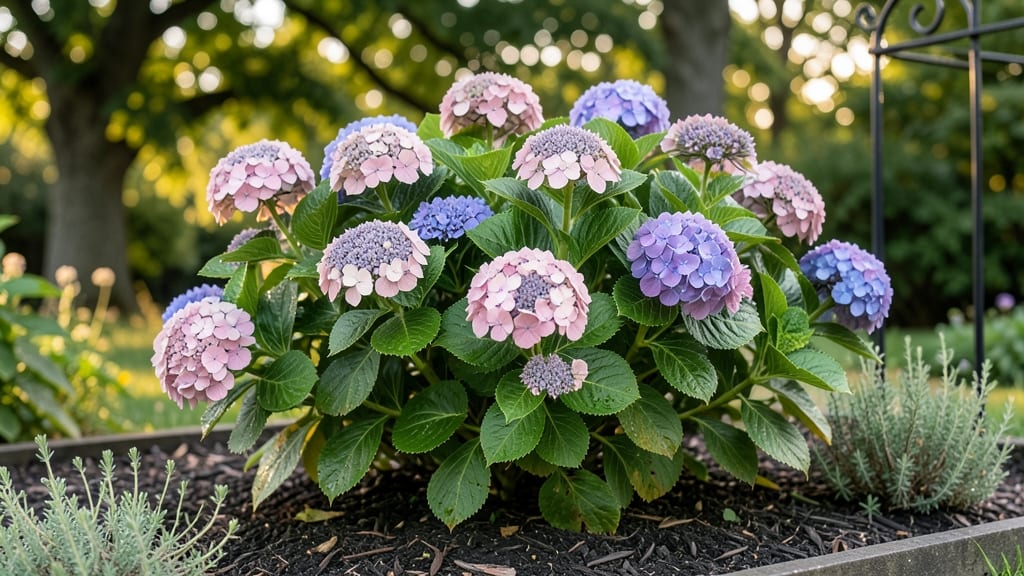
The Endless Summer Hydrangea bloom time is the secret to those dreamy, long-lasting flowers that turn heads from June through September.
If you’ve ever planted one expecting a single summer burst—only to be disappointed—you’re not alone. These hydrangeas aren’t just pretty; they’re rebloomers, meaning they can flower twice in one season if given the right care.
But timing is everything, and factors like your USDA zone, soil pH, and even last winter’s chill hours can shift when those iconic blooms appear.
In Zone 6a, where many gardeners live, blooms typically kick off in late May or early June, with a second flush in late summer if you prune correctly.
But in warmer zones, like 7 or 8, they might start as early as April, while cooler climates in Zone 5 could delay them until July. The key? Understanding your plant’s unique rhythm—and how to nudge it just right.
Below, I’ll walk you through the exact bloom timeline by zone, the pruning mistakes that sabotage reblooming, and the simple tricks to extend those 🌸 flowers for weeks longer. No guesswork, just science-backed tips to turn your Endless Summer into a nonstop showstopper.
Endless summer hydrangea bloom timeline by USDA hardiness zones
The Endless Summer hydrangea lives up to its name by producing two bloom cycles per year—one in late spring and another in mid-summer. But the exact timing varies dramatically by USDA hardiness zone, winter chilling hours, and even your local microclimate.
In Zone 3-5, cold winters delay blooms until late June or July, while Zone 6-9 gardeners often see flowers as early as May. Let’s map out what to expect—and how to adjust care for your zone.
First, understand that Endless Summer hydrangeas need 600-800 hours of winter chilling (temperatures below 45°F) to trigger blooms. Without enough cold, they may skip the second flush entirely.
In warmer zones (Zone 8-9), blooms can stretch from May through October, while colder zones (Zone 3-5) might only see reliable blooms in July-August. Your last frost date also plays a role—planting too early in cold zones can shock the plant and delay flowering.
| USDA Zone | First Bloom Window | Second Bloom Window | Key Care Adjustment | Frost Risk |
|---|---|---|---|---|
| Zone 3-4 | Late June | August-September | Mulch heavily in fall; prune after blooms fade in fall | High (May frost likely) |
| Zone 5 | Early June | July-August | Light pruning in early spring to avoid frost damage | Moderate (April frost possible) |
| Zone 6-7 | May | June-July | Deadhead spent blooms in late summer for rebloom | Low (rare frost after May) |
| Zone 8-9 | April-May | May-September | Prune after second bloom to avoid winter dieback | None (tropical winters) |
If you’re in Zone 3-5, your Endless Summer hydrangea likely won’t bloom until after the last frost date—often late June. This is because the plant needs to recover from winter dormancy first.
To encourage earlier blooms, plant in a sheltered microclimate (like near a south-facing wall) to capture warmer spring temperatures. In Zone 6-7, you’ll typically see the first flush in May, followed by a second wave in July, provided you deadhead spent blooms promptly.
For gardeners in Zone 8-9, the real magic happens: blooms can start as early as April and continue through September if conditions are ideal. However, heatwaves above 90°F can stress the plant, causing blooms to fade faster.
To combat this, mulch deeply (3-4 inches) and water at the base in the early morning to reduce evaporation. In these zones, pruning after the second bloom (late summer) prevents winter dieback from mild but persistent chill.
One common mistake is pruning at the wrong time, which can delay or eliminate blooms. In Zone 3-5, prune after blooms fade in fall to protect buds forming for next year.
In Zone 6-9, you can prune right after the second bloom (late summer) to shape the plant without sacrificing next year’s flowers.
Why some endless summer hydrangeas bloom earlier (or later) than expected
Your Endless Summer hydrangea might be blooming earlier than expected this year—or not at all. While these plants are famous for their reblooming magic, several factors can shift their bloom schedule. Understanding these will help you troubleshoot and adjust care for consistent summer color.
The variety you’ve chosen plays a huge role. For example, ‘Vanille Fraise’ typically blooms 2–4 weeks earlier than ‘Nikko Blue’, thanks to its earlier bud set. Even within the same variety, soil pH can delay or accelerate blooms by affecting nutrient uptake and flower formation.
⚠️ WARNING: Common Mistakes That Delay Blooms ⚠️
Ignoring soil pH is another silent killer. These hydrangeas thrive in acidic soil (pH 5.2–6.0). If your soil is alkaline (pH 7.0+), blooms may appear pale or sparse while shifting color unpredictably. Test your soil this month—it’s a quick fix!
Climate anomalies can also throw off your bloom timeline. A warm winter might trick the plant into blooming too early, only for a late frost to damage flowers. Conversely, unseasonably cool springs can delay blooms until July or August, especially in USDA Zones 3–5.
If your hydrangea skipped blooming entirely, check for these red flags: no new growth in spring, yellowing leaves, or leggy stems. These often signal over-pruning, underwatering, or nutrient deficiencies.
A balanced fertilizer (10-10-10) applied in early May can jumpstart bud formation for next season.
For earlier blooms, try these tweaks: plant in a sheltered microclimate (like near a south-facing wall) to absorb warmth faster, and mulch heavily in fall to protect roots during winter. If you’re in Zone 6+, consider lightly pruning in late winter to encourage earlier bud set.
Remember, patience is key. First-year plants often focus on root growth rather than blooming. Give yours 2–3 seasons to mature before expecting full summer color. With the right care, your Endless Summer hydrangea will deliver months of blooms—just not always on your original schedule! 🌸