
Blooming
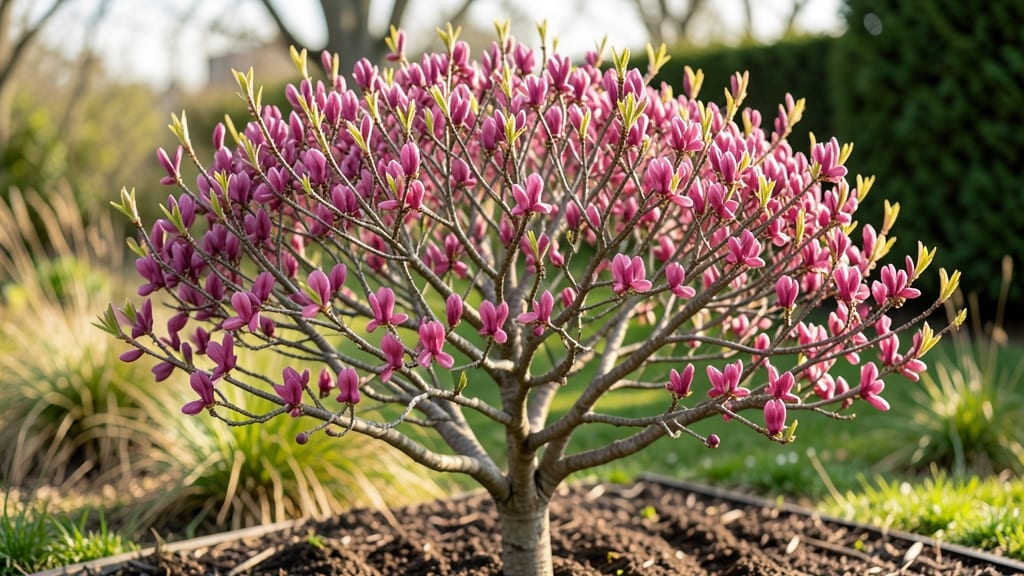
The eastern redbud bloom time is a fleeting but dazzling spectacle in early spring 🌸, typically between late March and early April, turning yards into bursts of pink before leaves even appear.
Picture this: your neighbors’ yards are still bare, but your Eastern Redbud is already a riot of color—if you miss the window, you’ll blink and the show will be over in a week.
That’s why knowing the exact bloom time for your hardiness zone is the key to never missing the spectacle.
Climate plays a huge role—warmer zones like 7-9 see blooms as early as February, while colder areas in 4-6 wait until April. Even a late frost can delay things, so understanding these factors helps you plan your garden’s spring highlight.
In this guide, I’ll break down when your tree will bloom by zone, how long the flowers last, and the simple care tricks to make sure your Eastern Redbud puts on the most vibrant show year after year.
Eastern Redbud bloom time by USDA hardiness zones: exact timing guide
The Eastern Redbud (Cercis canadensis) is one of the first trees to bloom in spring, offering a spectacular pink flower display that lasts just 2-3 weeks. However, the exact bloom timing varies dramatically by USDA hardiness zone, climate, and even microclimates within your yard.
Understanding these differences helps you plan garden visits or photography sessions to capture the peak show.
In Zone 4, where winters are harsh, buds often swell in late April after the last frost. Meanwhile, in Zone 9, where winters are mild, blooms may appear as early as February.
Even within a single zone, elevation and urban heat islands can shift bloom dates by 1-2 weeks. Let’s break down the exact bloom windows by zone and the microclimate factors that influence timing.
⚠️ Key Insight: Eastern Redbuds bloom before leaf emergence, making their pink flowers stand out against bare branches. This early bloom is a sign of spring and a favorite for landscape designers.
If you live in Zone 6 or 7, where most Eastern Redbuds thrive, expect blooms to kick off in early to mid-April. This aligns perfectly with spring garden cleanups and early pollinator activity.
In Zone 9, where winters are mild, you might even catch February blooms, making it a winter-to-spring spectacle.
For gardeners in Zone 4 or 5, patience is key—blooms won’t appear until late April, often coinciding with last frost dates. If you’re in a high-elevation area within these zones, blooms may delay by 1-2 weeks due to cooler temperatures.
Conversely, urban heat islands can advance bloom times by 10-14 days.
Microclimates play a huge role in bloom timing. A south-facing slope in your yard could trigger blooms 2 weeks earlier than a north-facing shady spot. Similarly, reflective surfaces like driveways or patios can warm the soil faster, encouraging earlier blooms.
Pay attention to where your Eastern Redbud is planted—sun exposure and soil temperature are critical factors.
Another factor to watch is tree age. Younger trees (3-5 years old)
How long do Eastern Redbud flowers last? Factors affecting bloom duration
The Eastern Redbud (Cercis canadensis) typically showcases its pink blossoms for 7-14 days, making it one of the earliest spring bloomers. This fleeting display means timing is everything—miss it, and you’ll wait another year for that magenta spectacle.
Understanding what influences this duration helps you maximize your tree’s floral performance.
While 7-14 days is the average, several factors can shorten or extend this window. Temperature swings, rainfall patterns, and even the tree’s age and health play critical roles.
For instance, a mature tree in Zone 6 might bloom for 2 weeks, while a younger specimen or one in Zone 4 could see blooms last just 7-10 days due to colder nights.
- 🌡️ Temperature: Warm days (60°F+) and cool nights (40-50°F) prolong blooms. Sudden heatwaves or freezes shorten the show by 3-5 days.
- 🌧️ Rainfall: Heavy rain can wash away petals or cause buds to drop, cutting bloom time by 2-4 days. Drought stress also reduces longevity.
- 🌳 Tree Age: Mature trees (10+ years) bloom 10-14 days, while younger trees (3-5 years) may only show blooms for 5-7 days.
- ☀️ Sunlight: Full sun (6+ hours) extends blooms by 3-5 days compared to partial shade, where flowers fade faster.
- 🌱 Soil Health: Well-draining, slightly acidic soil (pH 6.0-7.0) supports longer blooms. Compacted or alkaline soil stresses the tree, reducing flower longevity.
To extend your Eastern Redbud’s bloom time, focus on consistent care.
Start by ensuring your tree gets full sun to partial shade—this alone can add 3-5 extra days of color. Mulch around the base in late winter to regulate soil temperature and retain moisture, which helps buds open gradually rather than all at once.
Pruning also plays a surprising role. Avoid heavy pruning in late winter, as this can stimulate new growth at the expense of flowers. Instead, prune in late summer or early fall to shape the tree without disrupting next year’s blooms.
This minimizes stress and allows the tree to focus energy on producing vibrant, long-lasting flowers.
If your Eastern Redbud blooms fade too quickly, check for nutrient deficiencies. A balanced fertilizer (10-10-10) applied in early spring (just as buds swell) can boost flower production and duration.
However, avoid high-nitrogen fertilizers, which promote leafy growth at the cost of blooms. Phosphorus and potassium are your allies here.
Finally, protect your tree from extreme weather. If a late frost is forecasted during bloom time, cover the tree with a lightweight frost cloth at night. This simple step can preserve petals for 2-3 extra days and prevent bud damage.
With the right care, your Eastern Redbud can turn a 2-week show into a 3-week spectacle—worth the effort for spring’s most dazzling display! 🌸