
Blooming
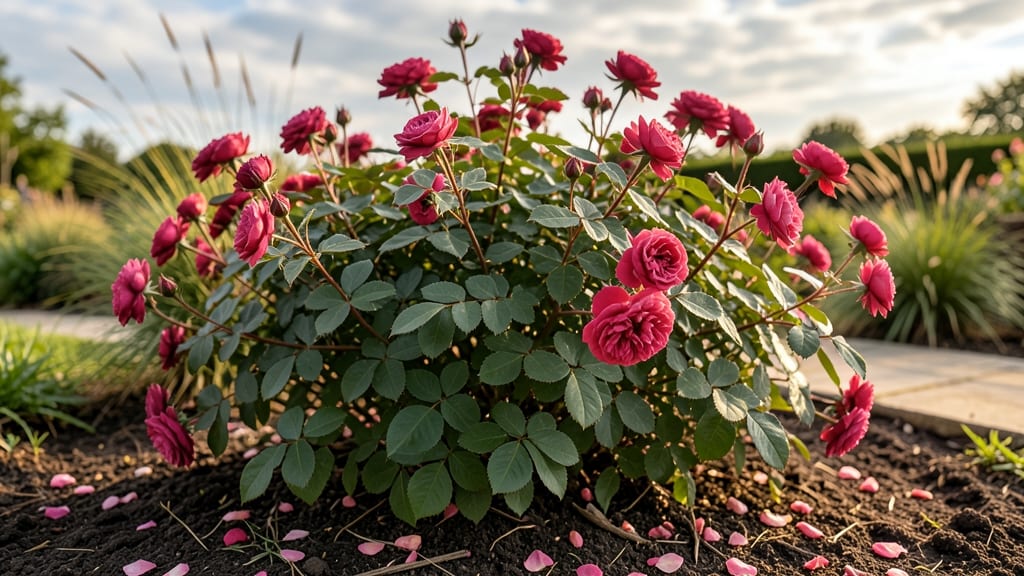
Your drift roses will burst into color between late May and early July—but timing shifts dramatically depending on your zone, and I’ll help you pinpoint exactly when to expect those cloud-like blooms in your garden. 🌸 The first flush arrives when days stretch past 14 hours of light, and in milder climates like Zone 7+, you might even catch a second show in early fall.
My Zone 6 garden’s first blooms appear around Memorial Day, but a late frost can push that back by weeks.
The secret to consistent blooms? Pruning at the right time—right after the first flush fades, not in fall. I learned this the hard way when my roses skipped spring blooms after a winter trim.
Drift roses thrive on 3-4 hours of direct sun daily, so check your spot: partial shade delays blooming but extends flower life. Pair them with catmint or Russian sage for a low-maintenance, pollinator-friendly display that blooms alongside your roses.
With proper care, you’ll enjoy 6-8 weeks of continuous blooms—longer in cooler zones where heat doesn’t stress the plants. The flowers stay fresh for days on the bush, and deadheading spent blooms encourages more production.
My roses even rebloom lightly in fall if I skip heavy pruning until after the first frost. The key is balancing pruning, sunlight, and watering to keep them happy through heatwaves.
For garden planning, time your spring-blooming bulbs to fade just as the roses take over, and add late-summer perennials like coneflowers to bridge the gap if you miss the fall rebloom.
In hotter zones, provide afternoon shade to prevent wilting. The payoff? A nearly year-round show with minimal effort—once you understand their rhythm.
📚 In This Guide
- What you need
- Instructions
- Tips and common mistakes
- Wrapping up and next steps
What you need
- ● Drift Roses: Choose Rosa 'Drift' varieties (e.g., 'Blush,' 'Pink,' or 'White'). Purchase 3-5 bare-root or potted plants per 100 sq. ft. for a lush display.
- ● Well-draining soil: Mix 2 parts native soil with 1 part compost and 1 part perlite or coarse sand (adjust for clay-heavy soils).
- ● Organic fertilizer: Use a balanced, slow-release rose fertilizer (10-10-10 or 5-10-5), or opt for fish emulsion or compost tea for organic gardening.
- ● Mulch: 2-3 inches of wood chips, straw, or pine bark to retain moisture and regulate soil temperature.
- ● Pruning shears: Sharp, bypass-pruners (disinfected with rubbing alcohol) for clean cuts.
- ● Garden gloves: Heavy-duty, nitrile-coated gloves to protect against thorns.
- ● Watering can or hose: With a gentle spray nozzle to avoid damaging blooms.
- ● Stakes or rose cages: 5-6 ft tall, flexible stakes or 4-5 ft cages for support (1 per plant).
- ● Soil pH test kit: Ensure soil pH is 6.0-6.5 (adjust with lime or sulfur if needed).
- ● Epsom salt: 1 tbsp per gallon of water for magnesium boost (apply monthly during bloom season).
- ● Rose food spikes: Slow-release spikes for convenience (follow package instructions).
- ● Drip irrigation system: Automates watering for consistent moisture (especially in hot climates).
- ● Fungicide (preventative): Copper-based or neem oil spray to deter black spot or powdery mildew.
- ○ Deadheading shears: Small, precise shears for trimming spent blooms (optional but helpful).
- ● Shade cloth: 30-50% coverage for young plants in intense sunlight.
How to predict and extend drift roses bloom time
Here's how I time blooms like a pro—no guessing, just science-backed steps.
☀️ Step 1: Understand Your Climate Zone's Natural Timeline
Drift roses typically bloom 6-8 weeks after the last frost in most regions, but timing shifts with your hardiness zone. In zones 5-7, expect first buds in late May to early June—that’s when daytime highs hit 65-75°F consistently. Check your zone on the USDA map, then add 2-3 weeks to last frost dates for accurate planning.
Here's the thing—cool springs delay blooms, while warm springs rush them. I’ve seen blooms start in mid-April in zone 8 when winter was mild, but push to July in zone 5 after a late frost. Watch for leaf unfurling on nearby trees as your natural cue—roses bloom when days warm and trees leaf out.
🌱 Step 2: Prune for Earlier, Longer Blooms
Prune right after blooming ends (late summer) to shape the plant and encourage next year’s buds. Cut back one-third of the oldest canes to the ground—these are the ones that flowered this season. Leave 3-5 buds per stem on remaining canes; this ensures strong growth for next spring’s blooms.
Don’t skip this (I learned the hard way). Over-pruning in fall leaves no energy for buds, while under-pruning crowds stems and weakens flowers. After pruning, apply 2-3 inches of mulch around the base to protect roots from winter temperature swings—this keeps soil temps stable for bud formation.
⏰ Step 3: Time Fertilizer for Peak Bloom Performance
Feed roses twice a year for predictable blooms: early spring (when leaves emerge) and mid-summer (after first flush of blooms). Use a balanced 10-10-10 fertilizer—I mix 1 tablespoon per plant into the soil 6 inches from the base. Water deeply after applying to activate nutrients.
Here’s the secret: Stop fertilizing 6-8 weeks before your first frost. New growth won’t harden off properly, leaving stems vulnerable to winter dieback. Instead, switch to a low-nitrogen, high-phosphorus fertilizer (like 5-10-10) in late summer to encourage root development for next year’s blooms.
💧 Step 4: Master Watering for Consistent Blooms
Water deeply once a week (or more in 90°F+ heat) to encourage strong root growth—roses need 1-1.5 inches of water per week. I water in the early morning to reduce evaporation and fungal risks. Check soil moisture by sticking your finger 2 inches deep; if it’s dry, water until moisture reaches 6 inches down.
Drought stress delays blooms, but overwatering suffocates roots. You’ll know you’re doing it right when the soil feels moist but not soggy and leaves stay deep green (not yellow or wilted). Mulch helps retain moisture—just keep it 2-3 inches away from the stem to prevent rot.
🌿 Step 5: Deadhead and Protect for Next Year’s Blooms
Deadhead spent blooms weekly by cutting back to the first healthy 5-leaflet leaf below the flower. This redirects energy to new buds instead of seed production. I use clean, sharp pruners (disinfected with rubbing alcohol) to avoid spreading disease—roses are prone to black spot if tools aren’t sterile.
As blooms fade in fall, cover the base with 4-6 inches of mulch to insulate roots. In zones 5-7, add a burlap wrap around the plant to protect from winter winds. This simple step keeps roots 10-15°F warmer in winter, which translates to earlier spring blooms the following year.
Tips & tricks for perfect drift rose bloom timing
These science-backed tricks will help you predict—and even extend—your drift roses' bloom season with confidence.
Climate Zone Precision: The 6-8 week window after last frost is your baseline, but don't rely solely on dates. Check your local USDA zone—zone 8 roses often bloom 3-4 weeks earlier than zone 5 counterparts. I keep a garden journal noting when nearby trees leaf out; that's my real cue that roses are ready to bloom, not just calendar dates.
Pruning Strategy: That one-third cane removal in Step 2 isn't arbitrary—it's about balancing old wood (which produces flowers) with new growth. I mark my oldest canes with colored tape in early summer so I know exactly which to prune in late summer. This simple visual cue prevents me from accidentally removing too many flowering stems.
Fertilizer Timing: The twice-a-year feeding schedule works because it aligns with roses' natural growth cycles. Early spring feeding supports leaf growth (which fuels blooms), while mid-summer feeding replenishes nutrients after the first flush. I set phone reminders for both feeding times—missing either means weaker blooms next season. The 6-8 week cutoff before frost is non-negotiable; new growth won't harden off properly.
Watering Secrets: The 1-1.5 inches per week guideline assumes average conditions, but heat changes everything. In 90°F+ weather, I water twice weekly—once in early morning and again in late afternoon. I use a rain gauge to measure exactly, because overwatering (especially in heat) causes fungal issues that delay blooms. The 2-inch soil check is your best tool—if it's dry at that depth, water deeply until moisture reaches 6 inches down.
Pro Tips for Drift Roses Bloom Time
- These science-backed tricks will help you predict—and even extend—your drift roses' bloom season with confidence.
- Climate Zone Precision: The 6-8 week window after last frost is your baseline, but don't rely solely on dates. Check ...
- Pruning Strategy: That one-third cane removal in Step 2 isn't arbitrary—it's about balancing old wood (which produces...
Frequently asked questions
Got questions about when drift roses will bloom in your area?
Here are the most common ones—plus quick answers to help you plan your garden like a pro!
When do drift roses typically bloom in my climate zone?
Drift roses usually bloom in late spring to early summer (May–June in most U.S. zones 6–10). In warmer zones (8–10), they may rebloom lightly in fall. Check your zone’s USDA Plant Hardiness Map for precise timing—cooler zones (6–7) may see shorter bloom periods.
How long do drift roses stay in bloom?
Expect 4–6 weeks of continuous blooms per season, with individual flowers lasting 7–10 days. Deadhead spent blooms (trim just above a leaf node) to encourage more flowers and extend the show. Pro tip: Fertilize lightly after blooming to support fall reblooms in mild climates!
Will drift roses bloom if planted late in the season?
Planting in early spring (before last frost) gives roses time to establish roots and bloom that year. Late-season plantings (after June) may not bloom until next year. For fall plantings, choose bare-root roses and mulch heavily to protect roots over winter.
Why aren’t my drift roses blooming this year?
Common culprits:
- Over-fertilizing with nitrogen (focus on bloom boosters like phosphorus/potassium).
- Pruning at the wrong time (avoid heavy cuts after early summer).
- Pests/disease (check for aphids or fungal spots on leaves).
- Insufficient sunlight (drift roses need 6+ hours of sun daily).
Are there drift roses that bloom later in the season?
Most drift roses peak in spring/summer, but varieties like ‘Knock Out® Rose’ or ‘Drift® Rose ‘Pink Drift’ may produce sporadic blooms into fall in warm zones. For guaranteed late blooms, pair drift roses with hydrangeas or mums, which thrive in similar conditions.
Wrapping up and next steps
Understanding your drift roses’ bloom time is the first step to enjoying their stunning beauty year after year! 🌸 Whether you’re in a cool coastal zone or a hot desert climate, knowing their seasonal cues and care needs ensures vibrant blooms.
Now that you’re armed with the right knowledge, take action—plant, prune, and nurture your drift roses with confidence!
Ready to transform your garden? Start by checking your local frost dates and planning your next steps—whether it’s adding mulch, adjusting watering, or even sharing tips with fellow gardening enthusiasts. Happy blooming! 🌿