
Blooming
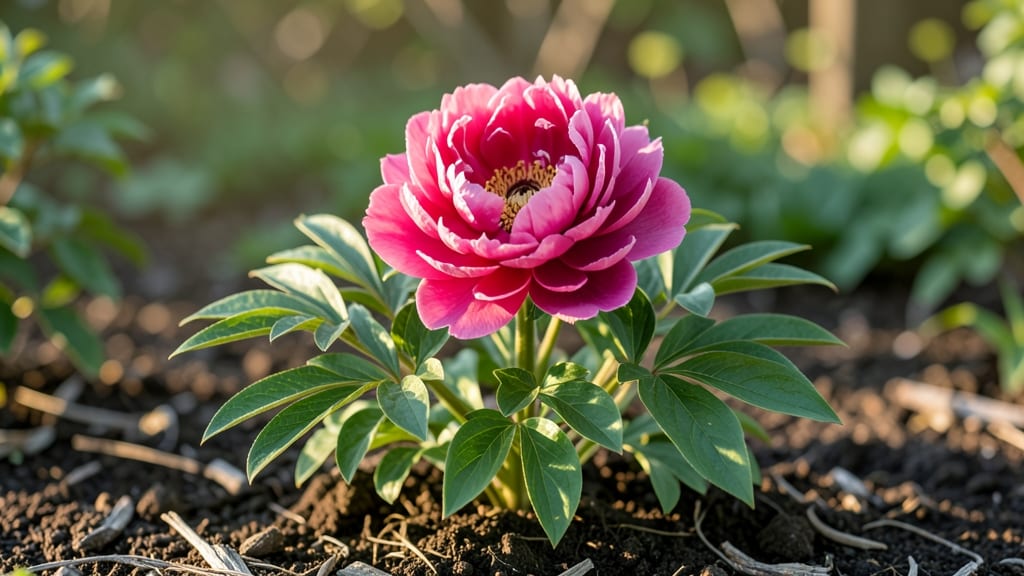
Double bloom peonies transform your garden into a purple paradise with lush, velvety blooms that last from spring through summer. 🌸 I’ve grown them for years, and the secret to their abundant, repeat flowering isn’t complicated—it’s about the right soil, sunlight, and a little patience.
These peonies thrive where others struggle, rewarding you with bold, layered petals that rival cut flowers in beauty.
The key starts with well-draining soil rich in organic matter—think compost mixed into the planting hole—and full sun (at least 6 hours daily). Plant the eyes (buds) only 1-2 inches deep—any deeper, and you’ll wait years for blooms.
In colder climates, mulch heavily in winter to protect the crown, but avoid smothering the plant.
Pruning is minimal: trim back only after the foliage yellows in fall, cutting stems to 1-2 inches above ground. This keeps the plant strong for next year’s earlier, more abundant blooms.
With this approach, you’ll see dozens of buds by late spring, each one a promise of lush, fragrant flowers.
Even in small spaces, these peonies shine—whether in a border, container, or as a statement plant. The trade-off? They take 2-3 years to reach full bloom potential, but the wait is worth it for years of effortless beauty. Let’s get your garden ready for these showstoppers.
📚 In This Guide
- What you need
- Instructions
- Tips and common mistakes
- Wrapping up and next steps
What you need
- ● Double Bloom Peony Bareroot or Potted Plant: 1-3 plants (depending on desired coverage; spacing 3-4 ft apart)
- ● Recommended varieties: ‘Sarah Bernhardt,’ ‘Bowl of Beauty,’ or ‘Kansas’ (all known for double blooms!)
- ● Well-Draining Soil: Loamy soil (amend with compost if clay-heavy)
- ○ pH: 6.5–7.0 (test kit optional but helpful)
- ● Organic Matter: 5–10 lbs of compost or aged manure per planting hole
- ● Fertilizer: Balanced 10-10-10 or low-phosphorus peony-specific fertilizer (follow package rates)
- ● Mulch: 2–3 inches of organic mulch (straw, wood chips, or shredded bark)
- ● Required: Garden trowel or spade
- ● Garden gloves (to protect from thorns!)
- ● Watering can or hose with gentle nozzle
- ○ Optional (but helpful!): Soil pH test kit
- ● Pruning shears (for minimal cleanup)
- ● Stakes or rings (to support heavy blooms)
- ● Drip irrigation system (for consistent moisture)
- ● Full sun location (6–8 hours of direct sunlight daily)
- ● Cold-hardy climate (USDA Zones 3–8; peonies thrive in cooler regions!)
- ● Patience! Double blooms take 2–3 years to fully establish.
Step-by-step guide to cultivating double bloom peonies
Here’s how to coax those lush, repeat-blooming peony spikes with confidence—no pruning overkill required.
🌱 Step 1: Select and Prepare the Planting Site
Double bloom peonies thrive in full sun—at least 6-8 hours daily—and well-draining soil with a pH of 6.5-7.0. I always choose a spot where the roots won’t compete with trees or shrubs, as peonies resent root disturbance. Dig a hole 12-18 inches deep (twice as wide as the root ball) to encourage deep root growth.
Amend the native soil with 2-3 inches of compost and a handful of bone meal (for phosphorus) to fuel those thick, sturdy roots. The reason for the deep hole? Peony roots need space to establish before flowering. Mix the amendments into the bottom half of the hole, then set the plant so the eyes (buds) sit just 1-2 inches below soil level. Burying them too deep delays blooms, while too shallow risks frost damage.
☀️ Step 2: Plant and Water for Establishment
Place the peony in the hole, spreading roots outward—never bend them. Fill the hole with native soil mixed with amendments, tamping gently to remove air pockets. Water deeply (about 1 gallon) immediately after planting to settle the soil and eliminate gaps. You’ll see the soil sink slightly; add more if the eyes are exposed.
For the first 2-3 weeks, keep the soil consistently moist but never soggy. Peonies hate wet feet, so ensure the planting site has good drainage. Mulch with 2-3 inches of organic mulch (like shredded bark) to retain moisture and suppress weeds. This is the moment that matters: proper watering now prevents future root stress and ensures strong stems for those heavy blooms.
✂️ Step 3: Prune Strategically for Repeat Blooms
Here’s the thing—double bloom peonies don’t need heavy pruning. After the first flush of flowers fades, cut stems back to 1 inch above the ground (or leave them for seed pods if you’re not harvesting). The key is to never cut into the woody base—this is where next year’s buds form. I always use clean, sharp shears to avoid tearing stems, which invites disease.
In late fall, after the first hard frost, trim any remaining foliage to 3-4 inches tall. This prevents fungal issues over winter while allowing the plant to photosynthesize until dormancy. Real talk: Over-pruning is the #1 mistake. If you cut too much, you’ll sacrifice next year’s blooms. Think of it as a haircut—just enough to shape, not shave.
🌿 Step 4: Feed and Protect for Year-Round Health
In early spring, before new shoots emerge, apply a balanced fertilizer (10-10-10) at ½ the recommended rate. Peonies are heavy feeders but don’t need much—too much nitrogen leads to lush foliage at the expense of flowers. I also add a slow-release phosphorus fertilizer in fall to build next year’s blooms.
Watch for peony leaf blight (grayish spots on foliage) or botrytis (brown, mushy stems). Remove infected leaves immediately and space plants 3-4 feet apart for airflow. Double bloom peonies are stunning but can get top-heavy; stake tall stems with bamboo stakes if needed. This ensures those purple spikes don’t flop mid-season.
⏰ Step 5: Overwinter and Prepare for Next Season
Once the ground freezes (usually late November), mulch heavily with 4-6 inches of straw or leaves to insulate roots. Peonies are hardy to Zone 3, but young plants benefit from extra protection. In early spring, remove the mulch as soon as the ground thaws—too-long coverage delays growth.
You’ll know you’re doing it right when you see new shoots by mid-March. This is your cue to reduce watering slightly (unless it’s a drought) and avoid fertilizing until those shoots are 3-4 inches tall. Patience pays off: A well-cared-for double bloom peony can live—and flower—for 50+ years.
Tips & tricks for perfect double bloom peonies
These simple strategies will help you cultivate those stunning purple spikes year after year—without the fuss.
Site Selection Wisdom: The 6-8 hours of daily sunlight is non-negotiable for double bloom peonies, but here's what nobody tells you: East-facing beds get morning sun without afternoon heat stress, which is perfect for these delicate bloomers. I've found that planting near evergreens on the north side provides wind protection while still allowing full sun exposure—just keep those roots away from tree competition.
Planting Depth Secret: Those 1-2 inches below soil level for the eyes might seem like a small detail, but it's the difference between blooms and disappointment. Use a pencil to mark the depth before planting, then double-check after backfilling. Too deep and you'll wait years for flowers; too shallow and frost will damage the buds. Think of it like Goldilocks—just right is everything.
Watering Strategy: That initial 1-gallon deep watering after planting isn't just about settling the soil—it's about eliminating air pockets that can suffocate young roots. For the first 2-3 weeks, I set a timer to water every morning and evening, but only until water runs out the bottom of the hole. Overwatering is worse than underwatering for peonies, so let the soil dry slightly between waterings once established.
Pruning Protection: When cutting back to 1 inch above ground after the first bloom, resist the urge to tidy up completely. Those stubs help prevent soil-borne diseases from splashing up onto the crown. For fall pruning, I wait until after the first hard frost when the foliage is naturally crispy—this tells me the plant has fully entered dormancy and won't regrow before winter. Clean shears are non-negotiable; I dip mine in rubbing alcohol between cuts to prevent disease spread.
Pro Tips for Double Bloom Peony
- These simple strategies will help you cultivate those stunning purple spikes year after year—without the fuss.
- Site Selection Wisdom: The 6-8 hours of daily sunlight is non-negotiable for double bloom peonies, but here's what no...
- Planting Depth Secret: Those 1-2 inches below soil level for the eyes might seem like a small detail, but it's the di...
Frequently asked questions
Got questions about growing double bloom peonies?
You’re not alone! Here are answers to the most common queries to help you nurture these stunning, low-maintenance blooms with confidence.
How do I encourage double blooms on my peony?
Double blooms thrive with proper care! Ensure your peony gets full sun (6+ hours daily) and well-draining soil. Avoid over-fertilizing—too much nitrogen promotes foliage over flowers. Prune lightly after the first bloom (if desired) to redirect energy for a second flush. Pro tip: Deadhead spent blooms to encourage reblooming, but leave seed pods for extra nutrients!
When will my double bloom peony flower twice?
Most double bloom peonies produce their main bloom in late spring (May–June), followed by a smaller second flush in late summer or early fall (August–September). Timing depends on your climate—warmer regions may see earlier blooms, while cooler zones might delay the second wave. Patience pays off!
Can I grow double bloom peonies in containers?
Yes, but with caution! Containers dry out faster, so opt for a large pot (18"+ diameter) with drainage holes and rich, well-draining soil. Choose dwarf varieties like ‘Sarah Bernhardt’ or ‘Bowl of Beauty’ for better success. Move pots to a sheltered spot in winter if temps drop below 20°F. Warning: Peonies hate soggy roots—never let them sit in water!
Do I need to prune double bloom peonies after they flower?
Pruning is optional but can shape your plant. After the first bloom, trim stems to 1–2 inches above the ground to encourage a second flush. Never prune in fall or winter—peonies store energy in their roots during dormancy. Wait until spring to clean up dead foliage. Pro tip: Use sterilized shears to prevent disease!
What pests or diseases should I watch for?
Double bloom peonies are tough, but botrytis blight (gray mold) and peony wilt (a fungal disease) can strike in humid climates. Improve airflow by spacing plants 3–4 feet apart and avoid overhead watering. Watch for peony leaf miners (tiny white trails on leaves)—handpick larvae or spray with neem oil if needed. Prevention: Mulch to deter slugs and snails!
Wrapping up and next steps
Growing double bloom peonies is a rewarding journey that brings bursts of vibrant purple beauty to your garden with surprisingly little effort! 🌸 With the right soil, sunlight, and minimal pruning, these stunning flowers will thrive year after year, becoming the star of your landscape.
Start by choosing a well-draining spot, plant in early fall, and follow the simple care tips shared above—soon, you’ll be enjoying lush, repeat blooms that turn heads.
Ready to dive in? Pick your peony variety, gather your tools, and plant your first tubers this season—your garden’s purple transformation awaits! 🌱