
Blooming
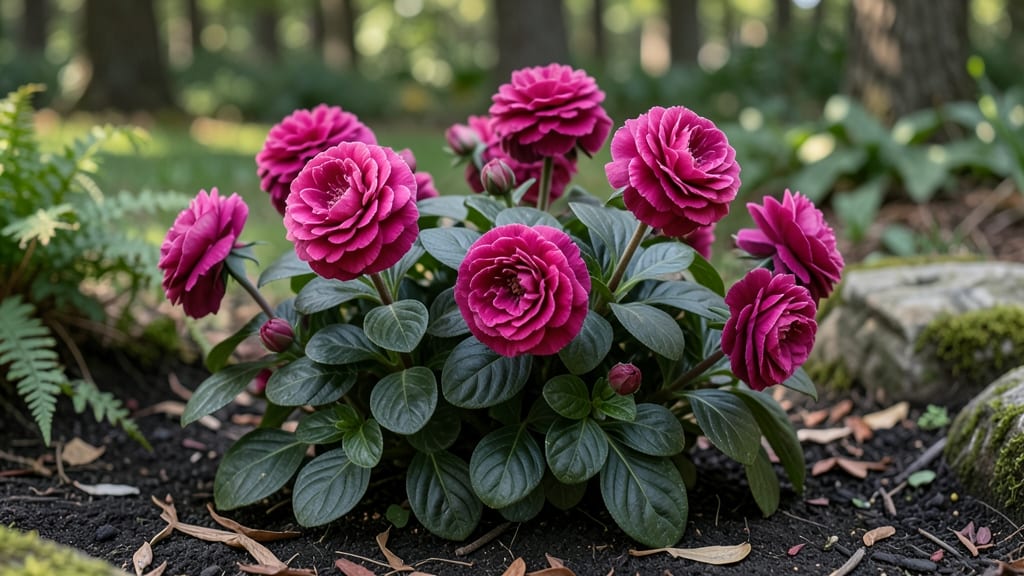
Double bloom impatiens transform any shady corner into a vibrant purple waterfall—but most gardeners miss their secret to reblooming all season. 🌿 I’ve grown them for years, and the trick isn’t just water or fertilizer—it’s heat-triggered pruning that keeps those dense flower spikes coming back thicker than ever.
Start with partial shade (they’ll scorch in full sun) and rich, moisture-retentive soil—think damp sponge, not dry clay. These plants thrive in containers or garden beds, but they’ll flop if crowded. Space them 12-18 inches apart and watch those first spikes emerge in weeks, not months.
The magic happens when you prune after heat waves: snip back leggy stems by half, and within 2-3 weeks, you’ll get a second flush of blooms so dense they’ll make your neighbors ask for cuttings. Even in summer’s peak, they’ll keep producing if you stay consistent.
Perfect for hanging baskets, woodland gardens, or under trees where other plants struggle. Here’s how to keep them blooming until frost—without the guesswork.
📚 In This Guide
- What you need
- Instructions
- Tips and common mistakes
- Wrapping up and next steps
What you need
- ● Double Bloom Impatiens Seeds or Plants: Choose heat-tolerant varieties like 'Double Bloom Purple' or 'Super Elfin Double' (2–4 plants per container for full impact).
- ● Growing Containers: Hanging baskets (10–12" diameter) or window boxes for cascading growth.
- ● 5–7 gallon pots for upright varieties (ensure drainage holes!).
- ● High-Quality Potting Mix: Use a well-draining, peat-based mix (e.g., African violet or seedling mix) or amend garden soil with perlite (50/50 ratio). ✨ Pro Tip: Add a handful of orchid bark for extra aeration!
- ● Slow-Release Fertilizer: 12–14-12 NPK blend (e.g., Osmocote) or balanced liquid fertilizer (20-20-20) for feeding.
- ● Mulch: Pine bark fines or coconut coir to retain moisture and regulate soil temp.
- ● Heat Mats: For starting seeds indoors in cooler climates (70–75°F soil temp).
- ● Grow Lights: LED full-spectrum bulbs (12–14 hours/day) if natural light is limited.
- ● Spray Bottle: For gentle watering to avoid disturbing blooms.
- ● Pruning Shears: Sharp, sterilized scissors to trim leggy stems and encourage bushiness.
- ● Shade Cloth (30–50%): Protect plants from harsh afternoon sun in hot climates.
Step-by-Step guide to triggering year-round reblooms in double bloom impatiens
Here’s how to coax those dramatic purple spikes back into bloom after each flush—using heat cues and precise care.
🌱 Step 1: Select the Right Variety and Plant in Partial Shade
Double bloom impatiens (Impatiens walleriana) thrive in partial shade—think 4-6 hours of morning sun with afternoon shade protection. Too much direct sun scorches leaves, while too little light stunts blooms. I plant mine under large-leafed shrubs or beneath a 30% shade cloth in hotter zones.
Choose established plants (not seeds) for guaranteed rebloom triggers. Look for compact, bushy plants with deep purple or violet flowers—these varieties respond best to heat-induced dormancy breaks. Plant in well-draining, moist potting mix (never garden soil—it compacts and rots delicate roots).
💧 Step 2: Water Deeply and Consistently to Maintain Bloom Triggers
Impatiens demand consistent moisture—let the top inch of soil dry between waterings, but never let them wilt. I water in the early morning to reduce fungal risks. Overhead watering can cause leaf spot, so I use a soaker hose or water at the base.
Here’s the secret: Stress triggers reblooms. After the first flush of flowers fades, let the plant slightly wilt for 3-4 days (but not completely dry). This mimics seasonal heat stress and signals the plant to reset. Once you see new buds forming, resume regular watering.
☀️ Step 3: Use Heat and Light to Reset the Bloom Cycle
Impatiens naturally rebloom when exposed to consistent afternoon heat (above 75°F). If your climate doesn’t provide this, I use a small portable heat mat (set to 70°F) under containers for 10-14 days after the first bloom cycle fades.
Pair heat with bright, indirect light—move plants to a south-facing window or under grow lights for 12-14 hours daily. You’ll see new leaf growth within 5-7 days, followed by buds forming at leaf nodes. This is your cue that the rebloom cycle is restarting.
✂️ Step 4: Prune Strategically to Encourage Compact Growth
After the first flush, pinch back the main stems by one-third to encourage bushier growth. Use clean, sharp scissors and cut just above a leaf node (where new buds form). Avoid cutting into woody stems—impatiens are tender and won’t regenerate well.
Deadhead spent blooms regularly to redirect energy into new flowers. I do this every 3-4 days during peak bloom. The key is to never let flowers go to seed—this exhausts the plant and delays reblooms. If you see seed pods forming, snip them immediately.
🪴 Step 5: Fertilize with Low-Nitrogen Feed to Promote Blooms
Switch to a balanced, bloom-boosting fertilizer (like 10-10-10) once the first flush fades. I apply half-strength every 2 weeks during active growth. High-nitrogen feeds (like lawn fertilizer) produce lush foliage but fewer blooms—impatiens prioritize flowers over leaves.
For organic growers, I use fish emulsion (diluted to 1 tbsp per gallon) or compost tea. Stop fertilizing 2 weeks before expected frost to let the plant harden off. In warmer climates, reduce feeding in winter months—impatiens go semi-dormant and need less nutrients.
Tips & tricks for perfect double bloom impatiens
These pro secrets will help you master the art of heat-triggered reblooms and keep those purple spikes coming all season long.
Light Management: The 4-6 hours of morning sun in Step 1 is your sweet spot—direct afternoon sun can scorch delicate leaves while too little light stunts blooms. I’ve found that positioning plants near east-facing windows or under 30% shade cloth during peak afternoon hours (12-4 PM) creates the perfect balance. For container growers, rotate pots weekly to ensure even light exposure all around.
Stress Technique: That 3-4 day wilting period in Step 2 might seem counterintuitive, but it’s what triggers the rebloom cycle. Think of it like a reset button: the plant senses drought stress and responds by focusing energy on new buds. I monitor wilting by gently pressing a leaf—if it springs back slowly (not immediately), that’s your cue to resume watering. Too much wilting (completely dry soil) can cause leaf drop, so check soil moisture daily during this period.
Heat Hack: The 75°F threshold in Step 3 is your magic number for natural rebloom triggers. If your climate doesn’t hit this consistently, I recommend using a small portable heat mat set to 70°F under containers for 10-14 days after the first flush fades. Place a thermometer near the plant to monitor—impatiens respond best when nighttime temps stay above 65°F during this reset period. For indoor growers, a simple heat lamp on a timer works wonders.
Pruning Precision: When you pinch back stems by one-third in Step 4, always make cuts just above a leaf node where new buds form. I use sterilized scissors and make clean cuts at a 45-degree angle to prevent water pooling. For busy gardeners, I’ve found that doing this pruning every 6 weeks (rather than just after first flush) maintains compact growth and continuous blooming throughout the season.
Pro Tips for Double Bloom Impatiens
- These pro secrets will help you master the art of heat-triggered reblooms and keep those purple spikes coming all season long.
- Light Management: The 4-6 hours of morning sun in Step 1 is your sweet spot—direct afternoon sun can scorch delicate leaves while too little light stunts blooms.
- Stress Technique: That 3-4 day wilting period in Step 2 might seem counterintuitive, but it’s what triggers the rebloom cycle.
Frequently asked questions
about double bloom impatiens—because even the most vibrant purple spikes deserve a little extra care! Here’s what growers ask most often:Why won’t my double bloom impatiens rebloom in cooler weather?
These beauties are heat-triggered! Double bloom impatiens need consistent daytime temps above 70°F (21°C) to kickstart their second flush of flowers. If nights dip below 55°F (13°C), growth slows, and blooms may stall. Try moving pots to a sunnier, warmer spot or use a row cover in fall for a head start.
How long does it take for the second bloom cycle?
Patience is key! After the initial heat trigger (like a 3-day stretch over 80°F/27°C), expect 4–6 weeks for new buds to form. Prune spent blooms regularly to redirect energy. Pro tip: Fertilize lightly with a balanced 10-10-10 formula when you notice fresh foliage growth—it speeds up the process!
Can I grow double bloom impatiens in containers year-round?
but with a twist! In colder climates, overwinter them indoors (60°F/15°C minimum) with bright light. Reduce watering and avoid fertilizing until spring. For outdoor pots, choose black or dark-colored containers—they absorb heat and help trigger reblooms faster. Just ensure drainage holes are present to prevent root rot.
What’s eating my impatiens’ leaves? And how do I stop it?
Common culprits include slugs, aphids, or spider mites. For slugs, set out beer traps or copper barriers. Spray aphids off with water and treat mites with neem oil. Prevention tip: Keep foliage dry (water at the base) and remove debris where pests hide. Healthy plants with regular pruning are less tempting targets!
Are there alternatives if my double bloom impatiens fail to rebloom?
No worries—try these heat-loving, long-blooming alternatives:
- New Guinea impatiens: Thrives in heat and partial shade; blooms all season.
- Begonias (e.g., Begonia ‘Dragon Wing’): Heat-tolerant with double flowers and glossy leaves.
- Petunias: Classic rebloomers if deadheaded and fertilized regularly.
- Calibrachoa: Tiny but mighty, with continuous blooms in full sun.
Each offers a different color palette—perfect for filling gaps in your garden!
Wrapping up and next steps
Double Bloom Impatiens are a gardener’s dream—packed with vibrant purple spikes and the ability to rebloom with just a little heat! By mastering their care—from light, water, and soil to pruning and heat triggers—you’ll enjoy year-round color with minimal effort. 🌸
Ready to transform your garden? Start small—plant a few this week, experiment with heat tricks, and watch those blooms multiply! Whether you’re a beginner or a seasoned pro, these heat-loving beauties will reward your patience with stunning, repeat performances.
Next step: Grab your shears, pick a sunny spot, and get growing—your garden’s purple paradise awaits! 🌿