
Blooming
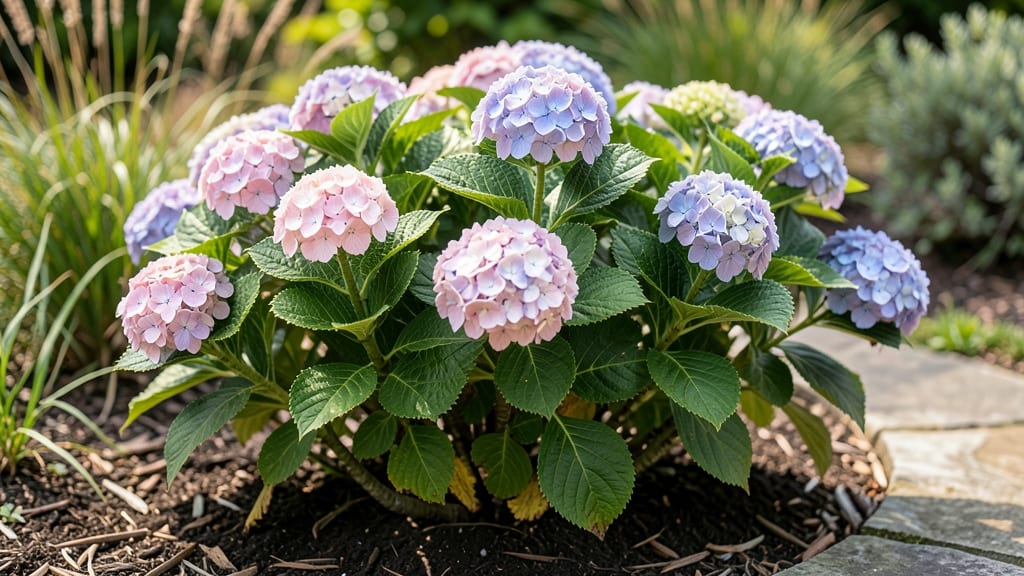
Your hydrangeas could be bursting with double blooms all season—no fancy pruning skills required. 💜 I’ve grown these purple powerhouses for years, and the secret isn’t complicated: it’s all about timing, sunlight, and a little seasonal patience.
Most gardeners over-prune, but these varieties thrive with minimal cuts—just a few strategic snips in late winter. The magic starts with the right spot: dappled shade in hot climates or morning sun with afternoon shade works best.
Amend your soil with compost before planting, and water deeply twice a week during dry spells. Unlike finicky hydrangeas, these stay lush and productive with basic care—no coddling needed. The blooms arrive in waves, so you’ll enjoy color from early summer through frost.
By next year, you’ll have bold, dense spikes that last weeks longer than standard varieties. The flowers even hold their color when dried—perfect for winter arrangements. And the best part? They bounce back from pruning mistakes, so even beginners get stunning results.
Works in containers or garden beds, from coastal climates to humid summers. Let’s get those blooms going!
📚 In This Guide
- What you need
- Instructions
- Tips and common mistakes
- Wrapping up and next steps
What you need
- ● Double Bloom Hydrangea Plant – Choose a healthy Hydrangea macrophylla or Hydrangea paniculata variety (e.g., 'Endless Summer' or 'Limelight').
- ● Well-Draining Potting Mix – 5 gallons of peat-based or coconut coir blend (add perlite or sand for aeration).
- ● Container or Garden Bed – A 12–18 inch diameter pot (for containers) or a sunny, partially shaded garden spot (for in-ground planting).
- ● Slow-Release Fertilizer – 1 lb of balanced 10-10-10 or acid-loving plant fertilizer (like Miracle-Gro Azalea/Camellia).
- ● Mulch – 2–3 inches of pine bark or wood chips (to retain moisture and acidify soil).
- ● Pruning Shears – Bypass pruners (sharp, clean, and disinfected).
- ● Watering Can or Hose – With a gentle spray nozzle (hydrangeas hate soggy roots!).
- ● pH Test Kit – To monitor soil acidity (ideal: 5.2–5.5 for vibrant blooms).
- ● Epsom Salt – 1 tbsp/month in water (boosts magnesium for lush foliage).
- ● Garden Gloves – Protects hands from thorns and soil.
- ● Staking Supports – For heavy blooms (if needed in windy areas).
- ● Shade Cloth (30–50%) – For afternoon sun protection in hot climates.
Step-by-Step instructions for cultivating double bloom hydrangeas
Here’s how to coax those stunning purple spikes into year-round abundance with minimal fuss.
🌱 Step 1: Select the Right Variety and Planting Site
Double bloom hydrangeas thrive in partial shade—think 4-6 hours of morning sun with afternoon shade protection. I always choose Endless Summer or Nikko Blue varieties for their cold hardiness and prolific blooms. These beauties tolerate USDA Zones 4-9, so check your hardiness zone before planting.
Dig a hole twice as wide as the root ball but only as deep as the container’s base. Amend the native soil with 2-3 inches of compost mixed into the bottom of the hole—this ensures excellent drainage while retaining moisture. Hydrangeas hate soggy roots but also wilt quickly in dry soil.
☀️ Step 2: Plant at the Correct Depth and Mulch Strategically
Position the plant so the top of the root ball sits level with the surrounding soil—burying too deep suffocates roots, while planting too high stresses the plant. Gently backfill with native soil, pressing lightly to eliminate air pockets. Water deeply immediately after planting to settle the soil around the roots.
Spread 2-3 inches of mulch over the root zone, keeping it 6 inches away from the stem. I use pine bark or shredded leaves—both retain moisture and slowly release nutrients. Avoid thick mulch layers, which can smother roots and attract pests. This mulch blanket also protects shallow roots from extreme temperature swings.
💧 Step 3: Water Consistently and Adjust Soil pH for Purple Blooms
Water deeply once a week during the first growing season, allowing 1-2 inches of water to penetrate the soil. You’ll know you’ve watered enough when the soil feels damp 3 inches down. Double bloom hydrangeas are drought-tolerant once established, but young plants need steady moisture to develop strong root systems.
For those vibrant purple blooms, test your soil pH and amend if needed. Hydrangeas produce blue flowers in alkaline soil (pH 6.0-6.5) and pink flowers in acidic soil (pH 5.5-6.0). To shift colors, add aluminum sulfate (for blue) or lime (for pink) in early spring. I like to aim for pH 5.5—the perfect balance for rich purple spikes.
✂️ Step 4: Prune for Year-Round Blooms (Minimalist Approach)
Double bloom hydrangeas are self-cleaning, meaning they bloom on both old and new wood. Prune only to shape in late winter or early spring, removing dead or crossing branches first. Cut back overly leggy stems by ⅓ to encourage bushier growth and more blooms. Never prune in fall—this removes next year’s flower buds.
Here’s the trick: Wait until after blooming to prune any remaining spent flowers. Snip just above a set of healthy leaves (look for 5-7 leaf nodes) to promote new growth. I always use clean, sharp pruners to prevent tearing and disease. This minimalist pruning keeps the plant healthy without sacrificing next year’s display.
🪴 Step 5: Fertilize and Protect for Long-Term Success
Feed in early spring with a balanced, slow-release fertilizer (10-10-10 ratio). Apply ½ cup per plant and water deeply to distribute nutrients evenly. Avoid high-nitrogen fertilizers—they encourage lush foliage at the expense of flowers. I also add a handful of bone meal in fall to boost phosphorus, which supports root and bloom development.
Watch for hydrangea gall mites or aphids, which can distort buds. Treat early with neem oil or insecticidal soap—both are safe for bees and effective against soft-bodied pests. In late fall, apply a 2-3 inch layer of mulch to insulate roots during winter. Double bloom hydrangeas are cold-hardy, but extra protection ensures they rebound faster in spring.
Tips & tricks for perfect double bloom hydrangeas
These game-changing strategies will help you transform your hydrangeas into a year-round purple powerhouse with minimal effort.
Variety Matters: While Endless Summer and Nikko Blue are my top picks for their cold hardiness and prolific blooming, consider your local climate when selecting varieties. For warmer climates (Zones 9-11), try 'Annabelle' or 'Limelight'—both handle heat better while still delivering abundant blooms. The key is choosing a variety that thrives in your specific USDA zone and matches your garden's microclimate.
Soil Science for Purple Perfection: That pH 5.5 target isn't just a suggestion—it's where the magic happens for vibrant purple blooms. I've found that testing soil pH in early spring gives you time to amend before the growing season kicks in. For a quick fix, mix in aluminum sulfate at a rate of 2 pounds per 100 square feet to lower pH, or use lime to raise it. Remember, hydrangeas are heavy feeders, so test annually to maintain your desired pH level.
Pruning Precision: The minimalist approach to pruning these self-cleaning beauties is what makes them so low-maintenance. When you're cutting back those leggy stems by ⅓ in Step 4, focus on creating an open center that allows sunlight to reach all parts of the plant. This not only encourages more blooms but also improves air circulation, which dramatically reduces the risk of fungal diseases. I always make my cuts at a slight angle just above a leaf node to prevent water from pooling and causing rot.
Winter Protection Strategy: While double bloom hydrangeas are cold-hardy down to Zone 4, that extra 2-3 inch layer of mulch in late fall makes all the difference in extreme climates. I like to use a combination of straw and leaves for insulation—this creates an air pocket that protects roots from temperature swings. In particularly harsh winters, consider wrapping young plants with burlap or using frost blankets for the first few years until they establish strong root systems.
Pro Tips for Double Bloom Hydrangea
- These game-changing strategies will help you transform your hydrangeas into a year-round purple powerhouse with minim...
- Variety Matters: While Endless Summer and Nikko Blue are my top picks for their cold hardiness and prolific blooming,...
- Soil Science for Purple Perfection: That pH 5.5 target isn't just a suggestion—it's where the magic happens for vibra...
Frequently asked questions
Why isn’t my double bloom hydrangea flowering as much as expected?
Double bloom hydrangeas can be finicky! If blooms are sparse, check your pruning habits—these beauties bloom on both old and new wood. Over-pruning or cutting back too late (after early summer) may reduce flowers. Also, ensure they get morning sun and afternoon shade—too much direct sun can stress them.
When is the best time to prune double bloom hydrangeas?
Prune in late winter or early spring (before buds swell) to avoid cutting off next year’s blooms. Lightly shape the plant by removing dead or crossing branches—never trim more than 1/3 of the plant. Skip heavy pruning in fall, as it removes next year’s flower buds.
How often should I water double bloom hydrangeas?
These hydrangeas love consistent moisture but hate soggy roots. Water 1-2 times per week (more in extreme heat or drought), aiming for 1-1.5 inches of water per week. Mulch around the base to retain moisture and protect roots. Yellowing leaves? Could signal underwatering or overwatering—check soil moisture!
Can I change the color of my double bloom hydrangea flowers?
Unlike some hydrangeas, double bloom varieties typically don’t change color based on soil pH (they’re usually bred for consistent hues). However, you can adjust foliage color slightly: Blue-green leaves thrive in slightly acidic soil (pH 5.5-6.2), while lighter green may indicate alkaline conditions. Test your soil and amend if needed!
How do I protect double bloom hydrangeas in winter?
Most double bloom hydrangeas are hardy to USDA zones 5-9, but young plants or harsh winters may need help. Mulch heavily (3-4 inches) around the base with straw or shredded leaves. Wrap burlap or frost cloth around the plant if temps drop below 10°F. Avoid pruning in late fall—wait until spring!
What’s a good alternative if I want low-maintenance blooms?
If double bloom hydrangeas seem high-maintenance, try ‘Endless Summer’ hydrangeas (also reblooming) or panicle hydrangeas (like ‘Limelight’), which bloom on new wood and are more forgiving with pruning. For zero-pruning options, consider butterfly bush or spirea—both are tough and flower reliably!
Wrapping up and next steps
Double bloom hydrangeas are a gardener’s dream—offering stunning, long-lasting blooms with minimal effort! Their ability to thrive with little pruning and deliver year-round purple spikes makes them perfect for both beginners and seasoned green thumbs.
Whether you’re revamping your garden or simply adding a pop of color, these beauties are a low-maintenance, high-reward choice.
Ready to transform your outdoor space? Start by selecting the right variety for your climate, then grab your pruners and get growing! With just a little care, you’ll be enjoying months of vibrant blooms—no fuss required. 🌸