
Blooming
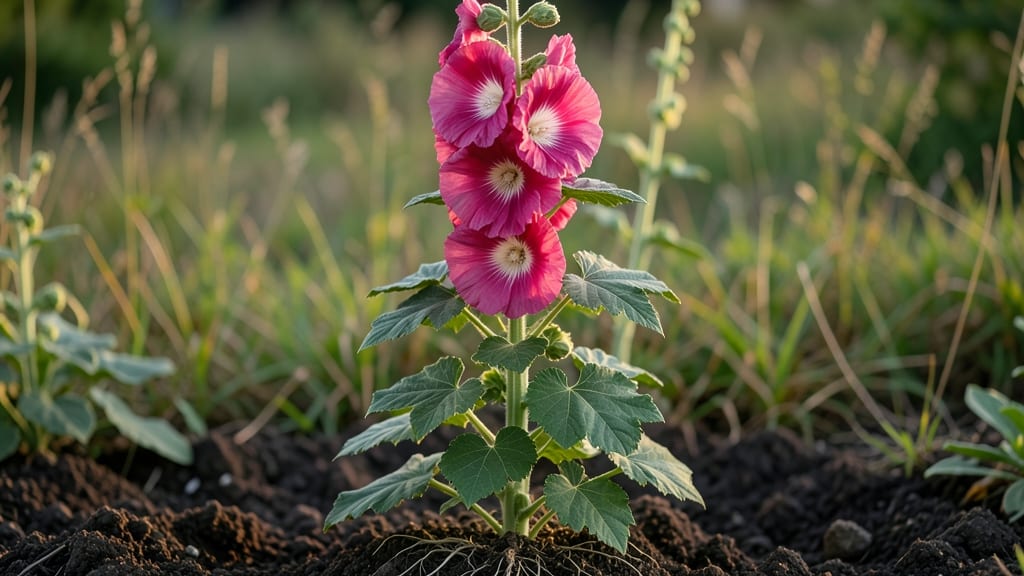
My hollyhocks refused to give me that second flush of blooms—until I learned the pruning secrets that transform one showy display into two. 🌸 Those towering stems hold their promise of dramatic double blooms, but only if you coax them just right after the first wave fades.
The difference between a single burst of color and a season-long parade of flowers comes down to timing, technique, and a little strategic cutting.
The magic happens in late summer when most gardeners have already given up. I used to deadhead aggressively, but that actually signals the plant to stop flowering. Instead, we’re cutting back to encourage new growth—specifically, about 1/3 of the plant’s height, just above a leaf node.
This shock treatment might look brutal, but within weeks, you’ll see fresh green shoots pushing up from the base, each one capable of producing another round of those lush, double-layered blooms.
By the time frost threatens, you’ll have a second wave of flowers that rivals the first—if not more dramatic. The stems stay sturdy, the blooms open wider, and your neighbors will be asking how you pulled off this hollyhock magic.
The key is patience: those new shoots need consistent water and rich soil to support their second act, but the payoff is worth every extra week of care.
Works for both cottage garden borders and modern perennial beds, though taller varieties may need staking for that second flush. Here’s how to make it happen without sacrificing next year’s performance—because great hollyhocks deserve a standing ovation twice a season.
📚 In This Guide
- What you need
- Instructions
- Tips and common mistakes
- Wrapping up and next steps
What you need
- ● Double bloom hollyhock seeds or plants – Choose disease-resistant varieties like ‘Peach Blush’ or ‘Black Prince’ for best results.
- ● Pruning shears or sharp bypass pruners – Must be sterilized with rubbing alcohol to prevent bacterial spread.
- ● Gloves – Protect your hands from thorns and sap (nitrile gloves work great!).
- ● Garden twine or plant ties – Helps support tall stems after pruning (10–20 ft, depending on plant size).
- ● Compost or mulch – 2–3 inches to replenish soil nutrients post-pruning.
- ● Hand pruners (for smaller stems) – For precision cuts on delicate blooms.
- ● Disinfectant spray (e.g., 10% bleach solution) – Keep tools clean between cuts.
- ○ Staking materials (e.g., bamboo stakes) – Optional but helpful for windy areas.
- ● Fertilizer (balanced 10-10-10 or organic options) – Boosts regrowth after pruning.
- ● Notebook & pen – Track pruning dates and plant responses for future reference!
Step-by-Step guide to pruning for double bloom hollyhocks
Here’s how to coax a second flush of blooms from your hollyhocks—no magic, just precise timing and sharp cuts.
✂️ Step 1: Wait Until First Blooms Fade
Hold off on pruning until after the first flush of flowers has completely faded and dropped. This ensures the plant has stored enough energy in its roots to fuel a second growth cycle. Look for wilted stems and empty seed pods—these signal it’s time to act.
If you prune too early, you’ll cut off potential blooms. If you wait too late, the plant may have already shifted its energy toward seed production. I like to prune 2-3 weeks after the last bloom wilts, giving the plant just enough time to recover but not enough to set seed.
✂️ Step 2: Cut Back to Healthy Leaf Nodes
Use clean, sharp pruners to trim back the spent stems to a healthy leaf node—about 6-8 inches below the faded blooms. Cut at a 45-degree angle just above a set of leaves that face outward. This encourages new growth from the sides rather than just the top.
Don’t cut into old, woody stems—you’ll weaken the plant. Instead, target stems that still have green growth below the faded blooms. If a stem is completely brown and brittle, remove it entirely to redirect the plant’s energy.
☀️ Step 3: Boost Sun and Water After Pruning
After pruning, hollyhocks need full sun (6+ hours daily) and consistent moisture to recover. Water deeply once a week until new shoots appear—soil should stay moist but not soggy. Mulch around the base with 2-3 inches of organic mulch to retain moisture and protect roots from heat stress.
I’ve found that hollyhocks pruned in late summer (August-September) often produce their second flush by early fall, just in time for late-season color. If your climate stays warm, you might even get a third round of blooms!
⏰ Step 4: Monitor for New Growth
Watch for new shoots emerging from the leaf nodes within 2-3 weeks. These will grow into your second flush of stems. If growth is slow, fertilize lightly with a balanced, water-soluble fertilizer (10-10-10) to give it a boost.
Here’s the thing—if no new growth appears after 4 weeks, your hollyhocks may need more time or stronger stems. In that case, skip pruning next year and focus on stronger first-flush blooms instead.
✂️ Step 5: Deadhead the Second Flush
Once the second flush of blooms opens, deadhead spent flowers immediately to encourage even more blooms. Pinch off the faded blooms at the base of the flower head—don’t cut into the stem. This prevents seed formation and redirects energy to new buds.
Repeat this process throughout the second flush. The more you deadhead, the longer your hollyhocks will keep blooming. Just don’t overdo it—if you remove too much foliage, the plant may struggle to support new flowers.
Tips & tricks for perfect double bloom hollyhocks
These pruning secrets will help you coax a stunning second flush of blooms from your hollyhocks—no guesswork involved.
Timing is Everything: The 2-3 week window after your first blooms fade is critical. I’ve seen gardeners rush this step and end up with no second flush at all. Mark your calendar when the last bloom wilts—this gives you a clear deadline. If you’re in a hot climate, you might even see new shoots in just 10-14 days, but cooler areas may need the full 3 weeks. Watch for those empty seed pods as your signal to act.
Cutting Technique Matters: That 45-degree angle in Step 2 isn’t just for looks—it prevents water from pooling on the cut and causing rot. I always make my cuts just above a set of outward-facing leaves to encourage bushier growth. Pro tip: Sterilize your pruners with rubbing alcohol between cuts to prevent spreading disease. And never cut into woody stems—you’ll sacrifice next year’s blooms if you weaken the plant now.
Sun and Water Strategy: After pruning, think of your hollyhocks like athletes recovering from a tough workout. They need full sun (6+ hours daily) and consistent moisture—about 1 inch of water per week. I’ve found that mulching with 2-3 inches of organic material keeps roots cool and hydrated, which is especially important in late summer heat. If you notice wilting leaves after pruning, it’s a sign to water more frequently, not less.
Fertilizer Timing: That 10-10-10 fertilizer recommendation in Step 4 should be applied lightly—about half the recommended dose—only if you see slow growth after 2 weeks. Too much fertilizer too soon can burn the plant’s roots and set you back. I’ve had the best luck with organic options like fish emulsion, which provide a gentler nutrient boost. And remember: if no new growth appears after 4 weeks, it’s better to skip next year’s pruning than force a weak second flush.
Pro Tips for Double Bloom Hollyhocks
- These pruning secrets will help you coax a stunning second flush of blooms from your hollyhocks—no guesswork involved.
- Timing is Everything: The 2-3 week window after your first blooms fade is critical. I’ve seen gardeners rush this ste...
- Cutting Technique Matters: That 45-degree angle in Step 2 isn’t just for looks—it prevents water from pooling on the ...
Frequently asked questions
Got questions about coaxing those stunning double bloom hollyhocks into a second flush? You’re not alone! Here are answers to the most common queries—plus a few pro tips to keep your garden thriving.
What’s the best time to prune for a second bloom?
Prune your hollyhocks after the first flush fades (usually late summer) but before fall frost hits. Cut back stems by ⅓ to ½ their height—this redirects energy to new growth. Avoid pruning too early (spring) or too late (fall), as both can stunt reblooming. Pro tip: Use sharp, sterilized shears to prevent disease!
How long does it take for double bloom hollyhocks to rebloom?
Patience is key! With proper care, you’ll typically see buds forming in 4–6 weeks after pruning. Second blooms may not be as abundant as the first, but they’ll still pack a punch. Water consistently and fertilize lightly (balanced 10-10-10) to speed things up.
Can I use the same pruning method for all hollyhocks?
Not quite! Double bloom varieties (like ‘Black Prince’ or ‘Peach Blush’) respond best to aggressive pruning, while single-bloom types may struggle. For singles, a light trim to remove dead flowers is safer. Always check your plant’s label—some hybrids are bred specifically for reblooming!
Why aren’t my hollyhocks reblooming this year?
Several factors could be at play: over-pruning, poor soil, pests (like Japanese beetles), or disease (rust is a common culprit). Inspect leaves for holes or spots, and amend soil with compost. If rust appears, remove infected foliage and treat with neem oil.
Are there alternatives to hollyhocks for long-season blooms?
Try hollyhock relatives like Alcea rosea ‘Chater’s Double’ or Malva sylvestris (mallow) for similar drama. For shorter seasons, zinnia or cosmos rebloom easily with deadheading. Just note: None match hollyhocks’ romantic, cottage-garden charm!
Still stumped? Drop your hollyhock woes in the comments—we’re happy to help troubleshoot!
Wrapping up and next steps
Double bloom hollyhocks are a gardener’s dream—with the right pruning techniques, you can coax a stunning second flush of flowers! By deadheading spent blooms, thinning crowded stems, and timing cuts strategically, you’ll extend their beauty well into fall. 🌸
Now that you’re armed with these tricks, roll up your sleeves and give your hollyhocks the TLC they deserve. Start with a single plant or section of your garden, observe how they respond, and soon, you’ll be the envy of the neighborhood with cascading blooms!
Next step: Grab your pruners and head outside—your hollyhocks are waiting for their big comeback! 🌿