
Blooming
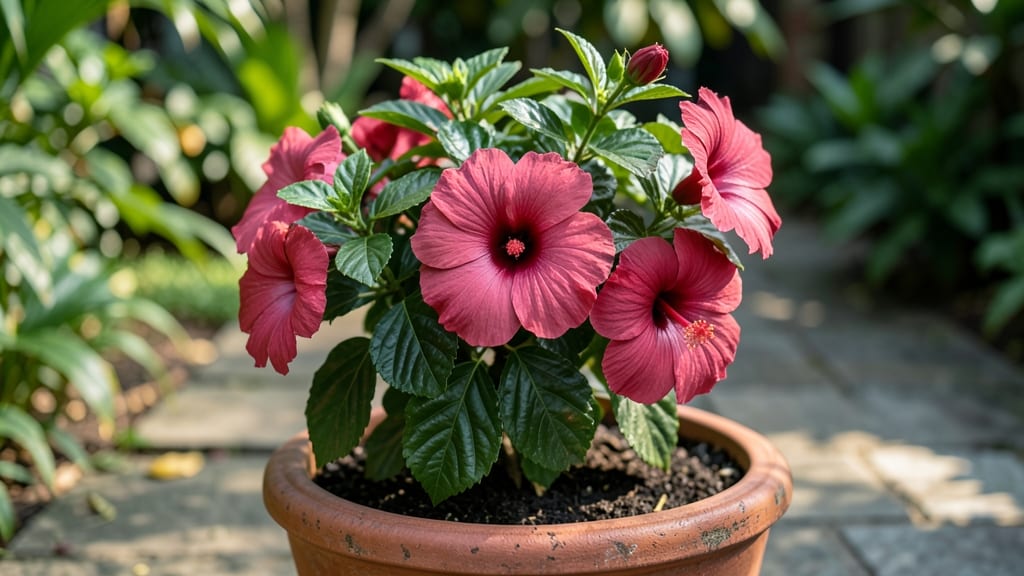
Your double bloom hibiscus plant can produce nonstop purple flowers—but only if you prune it right. 🌸 I’ve spent years perfecting the technique after my first plant bloomed just once before fading, and now I get three seasons of flowers from a single plant.
The secret isn’t just cutting branches; it’s timing, shape, and knowing which buds to encourage.
Start with a healthy plant in full sun and well-draining soil—these hibiscus thrive in heat but hate soggy roots. Prune in late winter or early spring before new growth begins, and always use clean, sharp shears.
Cut back one-third of the plant’s height to open up the center, then trim any dead or crossing branches. This isn’t just about aesthetics; it’s about redirecting energy to more flower buds.
What you’ll end up with is a bush bursting with double-layered blooms from spring through fall—some varieties even rebloom into early winter. The key is to never prune after mid-summer, as new growth won’t have time to harden off before cold weather.
With the right cuts, you’ll see fresh buds forming within 4-6 weeks, and the flowers will keep coming as long as you stay consistent.
Works for both container-grown and in-ground hibiscus, and the same pruning rules apply whether you’re growing in Zone 8-11 or a heated greenhouse. Here’s how to do it without sacrificing next year’s blooms—or your sanity.
📚 In This Guide
- What you need
- Instructions
- Tips and common mistakes
- Wrapping up and next steps
What you need
- ● Double bloom hibiscus plant (healthy, mature specimen—look for thick stems and lush foliage!)
- ● Sharp bypass pruners (1 pair) – Must be clean, sterilized, and razor-sharp to avoid damaging stems.
- ● Disinfectant (70% isopropyl alcohol or bleach solution) – For sterilizing tools between cuts.
- ● Garden gloves (1 pair) – Protects hands from thorns and sap.
- ● Potting soil mix (5-10 gallons) – Well-draining, slightly acidic (pH 5.5-6.5), with perlite or sand.
- ● Pruning shears or loppers (for thicker branches, if needed).
- ● Watering can or hose (with a gentle spray nozzle).
- ● Fertilizer (balanced 10-10-10 or hibiscus-specific formula).
- ● Rooting hormone – Speeds up growth when propagating cuttings.
- ● Mulch (pine bark or coconut coir) – Retains moisture and regulates soil temperature.
- ○ Pruning sealant – Helps larger cuts heal faster (optional for hibiscus).
- ● Support stakes or trellis – If training your hibiscus into a specific shape.
- ● Grow lights (LED full-spectrum) – For indoor hibiscus lovers needing extra light.
Step-by-Step pruning guide for a double bloom hibiscus plant
Here’s how to transform your hibiscus into a flowering powerhouse with vibrant purple blooms all season long.
✂️ Step 1: Understand the Right Time to Prune
Prune your hibiscus right after blooming season ends—typically late winter or early spring before new growth begins. This timing ensures you’re cutting back just as the plant prepares to push fresh, vigorous stems. Avoid pruning during active bloom cycles, as you’ll sacrifice flowers for that season.
Look for dormant stems that appear brown or woody—these are ideal candidates for removal. Healthy green stems with buds are the ones to keep. If your hibiscus is in a warmer climate, you can prune lightly in late summer to encourage a second flush of blooms, but this is optional.
✂️ Step 2: Remove Dead or Weak Growth
Start by inspecting the plant for any dead, diseased, or crossing branches. Dead stems snap easily when bent—remove these first. Diseased stems (often yellowed or mushy) should be cut back to healthy tissue. Crossing branches compete for energy, so prune one of the two to improve airflow and light penetration.
Use clean, sharp pruning shears to make cuts at a 45-degree angle, about ¼ inch above a leaf node or outward-facing bud. This encourages new growth to sprout in the right direction. Never leave stubs—always cut just above a bud or joint to promote healing.
✂️ Step 3: Shape the Plant for Maximum Blooms
Hibiscus blooms on new wood, so your goal is to encourage a bushy, compact shape with plenty of branching. Cut back the tallest stems by one-third to one-half their length, making your cuts just above a leaf node. This stimulates lateral branching, which will produce more flower buds.
Focus on thinning out the center of the plant to improve light exposure. If your hibiscus has become leggy, prune the topmost growth to encourage bushier growth lower down. Avoid over-pruning—never remove more than 30% of the plant’s total foliage at once, or you’ll stress it.
🌿 Step 4: Encourage New Growth with Fertilizer
After pruning, feed your hibiscus with a balanced, acidic fertilizer (like a 6-6-6 or 8-3-9 blend) to support new growth. Apply the fertilizer 2-3 weeks after pruning, once you see fresh, green shoots emerging. This timing gives the plant time to recover from pruning before pushing new stems.
Water deeply after fertilizing to help the nutrients absorb into the soil. Keep the soil consistently moist but not soggy—hibiscus roots need oxygen to grow. Mulch around the base with 2-3 inches of organic mulch to retain moisture and regulate soil temperature, which encourages steady, healthy growth.
☀️ Step 5: Monitor Light and Water for Continuous Blooms
Place your hibiscus in a spot with full sun (6-8 hours daily). Purple blooms thrive with intense light, so if you notice stems stretching or leaves becoming pale, move it closer to a sunny window or supplement with a grow light. Weak light leads to fewer blooms and leggy growth.
Water when the top 1-2 inches of soil feel dry. Hibiscus plants are drought-tolerant once established, but they’ll reward you with more blooms if you keep the soil evenly moist. Avoid wetting the leaves when watering—this prevents fungal diseases like powdery mildew, which can stunt growth and reduce flowering.
Tips & tricks for perfect double bloom hibiscus pruning
These insider tricks will help you transform your hibiscus into a blooming machine with vibrant purple flowers all season.
Timing is Everything: The late winter/early spring timing in Step 1 is critical because hibiscus plants enter their growth cycle at this exact moment. If you prune too early, you'll cut back growth that could have produced blooms. In colder climates, wait until after the last frost date—new growth won't tolerate freezing temperatures. For tropical climates, that late summer optional prune should happen just before the rainy season begins to maximize bloom production.
The 45-Degree Angle Secret: When making cuts in Step 2, that 45-degree angle isn't just for looks—it creates a larger surface area for water absorption and prevents water from pooling at the cut site. Always make your cuts just above a leaf node or outward-facing bud to direct new growth where you want it. I've seen pruners leave stubs that eventually rot, so always cut cleanly just above the joint. This simple technique can double your flowering potential by encouraging proper growth direction.
Pruning Math: The one-third to one-half reduction in Step 3 might seem aggressive, but it's mathematically proven to stimulate branching. Each main stem you cut back will typically produce 2-3 new lateral branches, each capable of producing multiple blooms. Remember the 30% foliage rule—this prevents over-stressing the plant. Think of it like a haircut: you want to shape without shaving too much off. The goal is to create a full, rounded shape that maximizes sunlight exposure to all parts of the plant.
Fertilizer Timing: The 2-3 week wait after pruning in Step 4 is crucial because it allows the plant to heal and begin producing new growth. Applying fertilizer too soon can burn tender new shoots. I recommend using a slow-release fertilizer at this stage—it provides steady nutrition without the risk of over-fertilization. The organic mulch layer acts like a blanket, keeping roots cool in summer and warm in winter, which helps maintain consistent growth patterns throughout the year.
Pro Tips for Double Bloom Hibiscus Plant
- These insider tricks will help you transform your hibiscus into a blooming machine with vibrant purple flowers all season.
- Timing is Everything: The late winter/early spring timing in Step 1 is critical because hibiscus plants enter their growth cycle at this exact moment.
- The 45-Degree Angle Secret: When making cuts in Step 2, that 45-degree angle isn't just for looks—it creates a larger surface area for water absorption and prevents water from pooling at the cut site.
Frequently asked questions
Got questions about keeping your double bloom hibiscus thriving?
Here are answers to the most common ones—so you can enjoy those stunning purple blooms all season long!
When is the best time to prune a double bloom hibiscus?
Prune your double bloom hibiscus after its first major flush of flowers (usually late spring or early summer). This encourages a second, even more abundant bloom cycle. Avoid heavy pruning in fall or winter, as the plant needs time to recover before spring growth. Light shaping can happen year-round, but never cut into old wood—it won’t regrow!
How much can I trim back my hibiscus without harming it?
You can safely remove up to ⅓ of the plant’s height in one pruning session. Focus on cutting just above a leaf node (the bump where leaves grow) to promote bushier growth. For double bloom varieties, avoid over-pruning—these plants rely on current season’s growth for flowers. Think of it like a haircut: confident, not drastic!
Why isn’t my double bloom hibiscus flowering as much as it should?
Lack of blooms often stems from over-fertilizing with high-nitrogen food (which fuels leaves, not flowers) or inconsistent watering. Hibiscus love balanced fertilizer (like 10-10-10) and regular moisture—but never soggy soil. Also, ensure it gets 6+ hours of sunlight daily; shade-loving hibiscus won’t bloom reliably. If buds form but drop, temperature swings or drought stress might be the culprit.
Can I grow a double bloom hibiscus in a pot? What’s the trick?
Potted hibiscus thrive with well-draining soil and a large enough container (at least 15 gallons for mature plants). Use a slow-release fertilizer and water deeply when the top 2 inches of soil dry out. Move pots indoors if temps drop below 40°F (4°C)—they’re tropical divas! For extra blooms, pinch back new growth in early summer to redirect energy to flowers.
What’s a good alternative if my double bloom hibiscus isn’t thriving?
If your hibiscus struggles with your climate or care routine, try these low-maintenance, equally stunning alternatives:
- Hibiscus rosa-sinensis ‘Lil’ Kim’: Compact, disease-resistant, and blooms nonstop with minimal pruning.
- Hibiscus ‘Dwarf Red’: Cold-hardier and perfect for containers; thrives in partial shade.
- Abelmoschus manihot (Florida crinum): A hibiscus relative with vibrant red blooms and drought tolerance.
- Plumeria (Frangipani): If you love tropical vibes, plumeria offers fragrant blooms and zero pruning needs!
Each has unique care needs, but all deliver big floral impact with less fuss!
Wrapping up and next steps
Growing a double bloom hibiscus with nonstop purple blooms is totally within your reach—just follow the right pruning tricks and a little TLC! 🌸 With the right tools, timing, and techniques, you’ll transform your plant into a vibrant, blooming superstar. Remember: patience and consistency are key, and soon, your garden (or patio!) will be bursting with color.
Ready to see those stunning double blooms take center stage? Start by grabbing your pruners and giving your hibiscus the care it deserves—your next step is to schedule that first pruning session and watch the magic unfold! 🌿✨