
Blooming
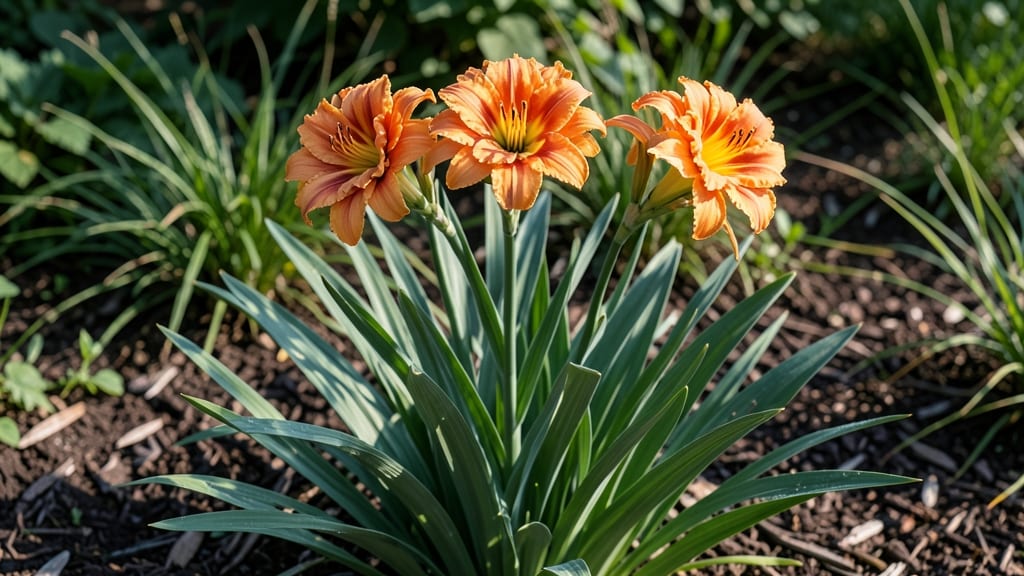
Double bloom daylilies transform your garden into a nonstop floral show—but only if you prune them at the right time. 🌸 I learned this the hard way after my first season of daylilies produced just one wave of blooms.
The secret isn't just cutting back; it's timing those cuts to trigger a second flush of flowers that lasts all summer.
These varieties aren't just pretty—they're workhorses that reward precise care. Start with well-draining soil and full sun, then master the three-pruning technique: clean up after the first bloom, trim back after the second, and do a light winter cut.
Most gardeners skip the second prune, which is why their plants only bloom once.
By mid-summer, you'll see buds forming again on the same stalks that already produced flowers. The reblooming isn't magic—it's science: removing spent blooms redirects energy to new growth. My double bloom 'Stella de Oro' now gives me two full cycles of golden blooms instead of one.
Works for all double bloom varieties, including 'Happy Returns,' 'Meteor,' and 'Happy Wanderer.' The key is consistency—once you get the timing right, these plants become the most reliable bloomers in your garden. Let's get those shears ready!
📚 In This Guide
- What you need
- Instructions
- Tips and common mistakes
- Wrapping up and next steps
What you need
- ● Double bloom daylily plants: 3–5 healthy tubers (choose varieties like 'Stella de Oro' or 'Happy Returns' for prolific blooming).
- ● Well-draining soil: Mix of garden soil, compost (20–30%), and perlite/sand (10%) for aeration. Test pH (6.0–7.0 ideal).
- ● Pruning shears: Sharp, clean bypass pruners (sterilize with rubbing alcohol).
- ● Gloves: Heavy-duty gardening gloves to protect hands from thorns and soil.
- ● Mulch: 2–3 inches of organic mulch (straw or shredded bark) to retain moisture and suppress weeds.
- ● Watering can/hose: With a gentle spray nozzle for post-pruning hydration.
- ● Fertilizer: Balanced 10-10-10 or slow-release daylily-specific fertilizer (apply after pruning).
- ● Soil tester kit: For precise pH and nutrient analysis.
- ● Knee pads: For comfort during pruning and planting.
- ● Plant labels: To track varieties and pruning dates.
- ● Compost tea: For a nutrient boost before planting.
- ● Drip irrigation system: Automates watering post-pruning (great for busy gardeners!).
Step-by-Step instructions for pruning double bloom daylilies
Here's how to time your pruning for maximum blooms—no guesswork, just proven techniques.
✂️ Step 1: Identify and Remove Spent Blooms Immediately
As soon as a daylily bloom fades completely—meaning the petals turn brown and droop—snip the stem 1 inch below the faded bloom using clean, sharp pruners. This prevents the plant from wasting energy on seed production, redirecting it instead to next season's buds. I always carry a small pair of pruners when walking through the garden; those few seconds spent right after blooms fade translate to dozens more blooms later.
Watch for the first sign of browning—that's your cue. If you wait until the stem turns completely brown and woody, the plant has already lost that growth cycle. For double bloom varieties, this step is non-negotiable—it's what creates the second flush of flowers. I make a habit of checking my daylilies every morning after sunrise; that's when I catch the most blooms at the perfect moment.
🌱 Step 2: Perform the Mid-Season Deadheading Cut
About 6-8 weeks after your first flush of blooms, when you notice new flower stalks beginning to form but haven't yet opened, it's time for the mid-season deadheading. Cut back all the old foliage 4-6 inches above ground level, making a clean, diagonal cut just above a healthy leaf node. This removes last season's growth while leaving enough energy reserves in the roots for the second bloom cycle.
Here's the thing—I know it looks drastic when you first make the cut, but trust the process. The plant will respond by putting all its energy into developing those new flower stalks rather than maintaining old growth. You'll see fresh, vibrant new leaves emerging within 10-14 days, signaling that the plant is recovering and preparing for its second bloom. This is the moment that matters most for double bloom varieties.
☀️ Step 3: Time Your Final Seasonal Pruning for Winter
After your daylilies have finished their second bloom cycle and all foliage has turned brown and crispy, it's time for the final pruning. Cut back all the dead foliage to 2-3 inches above ground level in late fall, just before the first hard frost. This prevents disease and pests from overwintering in the dead plant material while still leaving enough protection for the crown.
Don't skip this step—I learned the hard way when I left last year's dead foliage standing through winter. The next spring, I had more pest issues and weaker growth than usual. The key is to time this correctly: wait until the foliage is completely brown and brittle, but before the ground freezes solid. You'll know it's ready when a simple tug on the stems makes them snap easily rather than bend.
🌿 Step 4: Maintain Year-Round Care Between Blooms
Throughout the growing season, remove any seed pods that form as soon as you notice them. These little green pods may look harmless, but they sap energy from your plant that could be going toward flower production. Pinch them off between your thumb and forefinger or snip them with pruners. Also, keep an eye out for yellowing leaves—these indicate overwatering or fungal issues that need immediate attention.
I water my daylilies deeply once a week during the growing season, allowing the soil to dry out completely between waterings. This drought tolerance is one of their best features, but it's crucial not to let them sit in soggy soil. You'll see strong, healthy growth when the leaves are deep green and firm to the touch. This consistent care between blooms ensures your daylilies have the energy reserves they need for that second spectacular show.
Tips & tricks for perfect double bloom daylilies
Timing is everything when it comes to coaxing those extra blooms from your daylilies—here's how to get it right every time.
Precision Timing for Step 1: That 1-inch cut below the faded bloom is critical—any closer to the stem and you risk damaging the plant's growth nodes. I've found that using bypass pruners (not anhedora types) gives you cleaner cuts that heal faster. Also, make sure to sterilize your pruners with rubbing alcohol between cuts to prevent spreading disease from one plant to another. The moment you see those petals start to brown, don't hesitate—those seconds count when you're chasing that second bloom cycle.
Visual Cues for Step 2: When performing your mid-season deadheading, look for new flower stalks that are just beginning to form but haven't opened yet—this is your perfect window. I like to make the 4-6 inch cut just above a healthy leaf node (you'll see it's where the leaves are growing from). This visual cue ensures you're not cutting too close to the crown. After cutting, you should see fresh green growth emerging from the base within 10-14 days—this is your plant's way of saying "thank you" for redirecting its energy.
Winter Pruning Strategy: For that final fall pruning to 2-3 inches, I've developed a simple test: grab a stem and give it a firm tug. If it snaps cleanly (rather than bending), your foliage is ready. This prevents cutting too early when the plant still has some life left in it. I always do this pruning on a dry day—wet foliage sticks to the blades and can spread fungal diseases between plants. The 2-3 inch height leaves just enough protection for the crown while preventing winter pests from making a home in your garden.
Year-Round Maintenance: Those seed pods might seem harmless, but they're energy vampires for your daylilies. I make it a habit to check my plants every 3-4 days during peak bloom season—removing them as soon as they appear. For yellowing leaves, I've found that neem oil spray (applied in the evening) works wonders for fungal issues without harming beneficial insects. The key is consistency—daylilies reward regular attention with those spectacular second blooms.
Pro Tips for Double Bloom Daylily
- Timing is everything when it comes to coaxing those extra blooms from your daylilies—here's how to get it right every time.
- Precision Timing for Step 1: That 1-inch cut below the faded bloom is critical—any closer to the stem and you risk damaging the plant's growth nodes.
- Visual Cues for Step 2: When performing your mid-season deadheading, look for new flower stalks that are just beginning to form but haven't opened yet—this is your perfect window.
Frequently asked questions
Got questions about maximizing those stunning double bloom daylilies? You’re in the right place! Here are answers to the most common queries—from pruning puzzles to bloom timing—so you can grow like a pro.
When is the best time to prune double bloom daylilies for more flowers?
Prune after the first bloom cycle (late summer) to encourage a second flush. Avoid pruning in fall or early spring, as new growth needs time to establish. Cut back foliage by ⅓ to ½, leaving 6–8 inches of stems. This balances energy for roots while signaling the plant to rebloom!
How long does it take for double bloom daylilies to rebloom after pruning?
Reblooming typically occurs 6–8 weeks post-pruning, depending on climate and variety. Warmer regions may see flowers sooner, while cooler areas might take longer. Monitor soil moisture—consistent watering (but not soggy roots) speeds up recovery. Patience pays off with a second burst of color!
Can I prune double bloom daylilies in fall to prepare for spring?
No—fall pruning is a no-go! It removes stored energy needed for winter survival and spring growth. Instead, tidy up dead foliage in early spring (before new shoots emerge) to reduce disease risk. Think of it as a fresh start, not a cleanup!
What if my double bloom daylily only produces single flowers?
Genetics often dictate bloom form, but over-fertilizing with high nitrogen can reduce double blooms. Switch to a balanced 10-10-10 or bloom-boosting fertilizer (low nitrogen, high phosphorus). Also, ensure full sun (6+ hours) and well-draining soil—stress can revert blooms to single forms.
Are there low-maintenance alternatives to double bloom daylilies?
Yes! Try ‘Happy Returns’ or ‘Stella de Oro’ daylilies—they’re reblooming superstars with minimal fuss. For even less work, consider dwarf daylilies like ‘Little Grapette’ or perennials like coneflowers, which thrive with occasional pruning.
What should I do if my daylily leaves turn yellow after pruning?
Yellowing leaves often signal over-pruning or root stress. If only lower leaves yellow, it’s normal (older foliage recycling nutrients). But if new growth turns yellow, check for:
- Overwatering (let soil dry slightly between waterings)
- Nutrient deficiency (feed with balanced fertilizer)
- Pests (inspect for aphids or slugs)
Wrapping up and next steps
Growing double bloom daylilies is a rewarding journey that transforms your garden into a vibrant, repeat-flowering paradise! 🌸 With the right pruning timing—like cutting back after the first bloom or deadheading spent flowers—you’ll unlock a second wave of stunning blooms and keep your plants healthy year after year.
The key is patience, consistency, and a little seasonal care.
Ready to see your garden burst with color? Start by marking your calendar for next year’s pruning schedule, and don’t hesitate to experiment with different techniques. Happy gardening—your future blooms will thank you! 🌿✨